
Vandaag of morgen in huis

Kwaliteit gegarandeerd

Welkomstaanbiedingen ontgrendelen: GRATIS bezorging | Tot 80% korting | Gratis 30 dagen JoyPlus-proefperiode
Download de app
The selection of organic products is growing, but that doesn't always make choosing easier. Terms like "natural" and "pure" are often used, but they don't mean the same thing as "organic." Many people overpay for products that don't meet expectations or struggle to find specific organic ingredients, especially for Asian cuisine.
As a Joybuy Product Recommendation Officer, I'm here to help you see through the marketing jargon. In this guide, we'll discuss the most common pitfalls and provide clear points to consider, so you can shop for organic groceries with confidence.
Before you fill your online shopping cart, it's wise to be aware of a few common mistakes.
To ensure you get what you're looking for, there are a few objective criteria you can always check.
The only reliable indicator for organic products within the EU is the EU organic logo. This green leaf made of stars guarantees that the product complies with strict European regulations for organic farming. This includes no use of synthetic chemical pesticides and artificial fertilisers, as well as a focus on animal welfare. Always look for this logo on the packaging.
An organic label is a good start, but the ingredient list tells the whole story. This is essential when buying healthy food online.
Good packaging is crucial for preserving quality, especially for dried products. Resealable or well-sealed packaging prevents moisture and spoilage. Also, check the recommended preparation method. Dried products like mushrooms or seaweed often need to be soaked first. This is usually clearly stated on the packaging.
Not everyone is looking for the same thing. Below are some products that suit different needs and cooking styles.
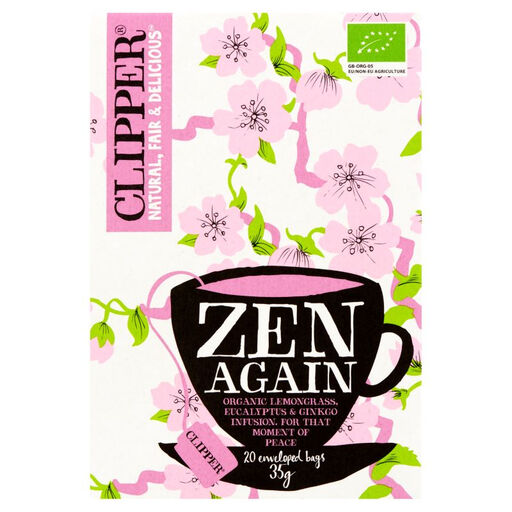
Why This Fits Their Persona: For those who seek a daily moment of calm with a cup of tea. This organic tea from a well-known brand offers a refined flavour combination at a reasonable price.
This product carries the EU organic logo, which makes the "organic" claim verifiable and bypasses the "natural" marketing trap.
A refreshing blend of lemongrass, eucalyptus, and ginkgo. The packaging is biodegradable.
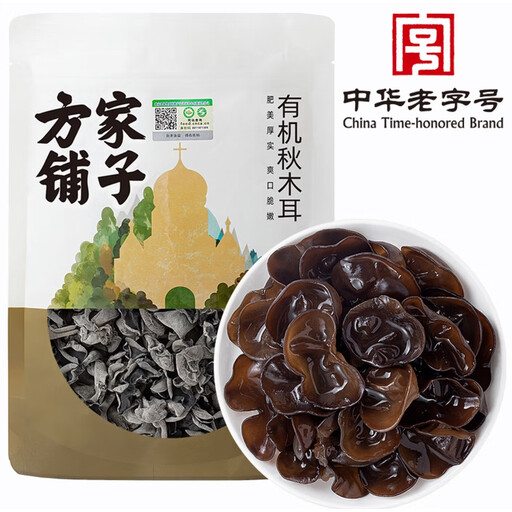
Why This Fits Their Persona: Perfect for those who want to create authentic Asian dishes. These organic wood ear mushrooms are an essential ingredient for stir-fries, salads, and hotpot, and are hard to find in an organic version.
This product solves the "limited selection" pitfall. It is a specific, certified organic ingredient, not a generic product with a vague label.
High rehydration rate (becomes full and fleshy again after soaking). Versatile in use and packaged to preserve freshness for a long time.
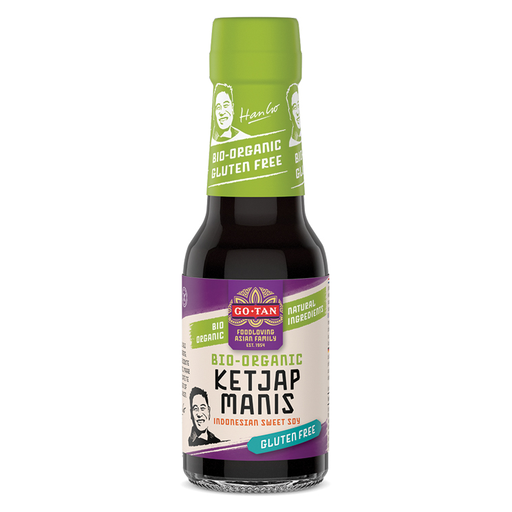
Why This Fits Their Persona: Ketjap manis (sweet soy sauce) is a staple ingredient in many kitchens. This organic version from a trusted brand is a simple and reliable upgrade for the pantry.
You aren't overpaying for an unknown brand. This is a product from Go-Tan, with the added value of organic and non-GMO certification.
Naturally fermented soy sauce that adds depth and umami to marinades, stir-fries, and soups.
An extensive selection of organic products, from tea and spices to unique Asian ingredients, can be found on our overview page. Discover the full range that meets our strict selection criteria.
"Organic" is a legally protected term that is monitored and certified (via the EU organic logo). It guarantees that no synthetic chemical pesticides or artificial fertilisers have been used. "Natural" is an unprotected marketing term and offers no such guarantees.
In physical supermarkets, the selection of specialised organic Asian products can indeed be limited. A specialised online organic store often offers a much wider range, including products like organic wakame, bamboo fungus, and various types of miso.
Always store dried products like mushrooms, seaweed, or lotus seeds in a cool, dry, and dark place. A well-sealed container or pantry jar is essential to keep out moisture and ensure quality and shelf life. Always consult the storage instructions on the packaging.
