
Vandaag of morgen in huis

Kwaliteit gegarandeerd

Welkomstaanbiedingen ontgrendelen: GRATIS bezorging | Tot 80% korting | Gratis 30 dagen JoyPlus-proefperiode
Download de app
Buying mineral water seems straightforward, until you have to choose between 500 ml, 1 litre, 1.5 litres, 5 litres or a multipack. Terms such as natural mineral water, “suitable for infant formula” and “low sodium” can also be confusing. What’s more, an eye-catching label doesn’t always tell you whether a product is practical for your household.
When comparing products, look out for these three common pitfalls:
Many households look for still mineral water for everyday use, coffee, tea or infant formula. Look for terms such as still, still water, plain or non-carbonated. However, product titles can be displayed incorrectly or inconsistently. If in doubt, the information on the bottle takes precedence.
A 500 ml bottle is handy for travel, school or the office. A 1-litre size is often a good fit for a working day. For home use, 1.5 litres, 5 litres or 10 litres may be more convenient, as you’ll need to open fewer containers.
If you’re looking for mineral water with a low sodium content, compare the analysis on the label. For example, SPA Reine lists 3 mg of sodium per litre, 38 mg of dry residue per litre, 5 mg of calcium and 2 mg of magnesium. According to the product information, this is a very low mineral content.
Evian lists 6.5 mg of sodium, 80 mg of calcium, 26 mg of magnesium and 360 mg of bicarbonate per litre. Bar Le Duc lists 10.6 mg of sodium per litre and a dry residue of 170 mg/l. These figures show that “mineral water” doesn’t have the same composition across the board.
A lower mineral or sodium content isn’t automatically necessary for everyone. If you’re following a medically prescribed diet, it’s a good idea to discuss the product specifications with a healthcare professional.
Compare not only the brand, but also how you’ll use the water:
Store bottles in a cool place, away from direct sunlight. Once opened, refrigerate bottles as directed on the packaging and seal them tightly. Don’t use a pack if the seal is broken, or if the bottle is leaking, bulging or visibly damaged.
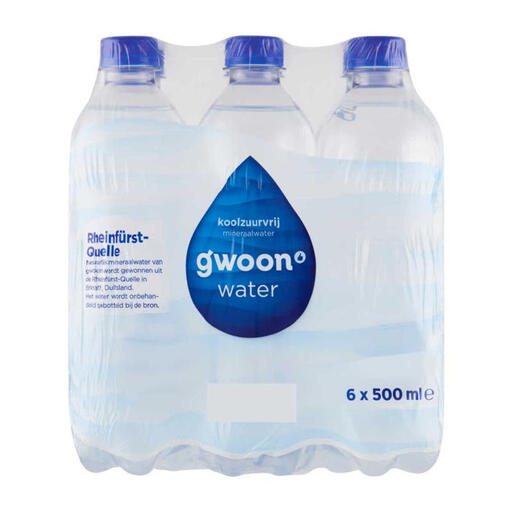
Why it suits this profile: A straightforward multipack for home, school, work or when you’re out and about. The 500 ml bottles mean you don’t have to lift a large container.
The product name explicitly says “non-carbonated”, making the type of water clear. Before buying, check the current packaging and the price per litre.
6 x 500 ml bottles, 3 litres in total, still mineral water and, according to the product information, calorie-free.
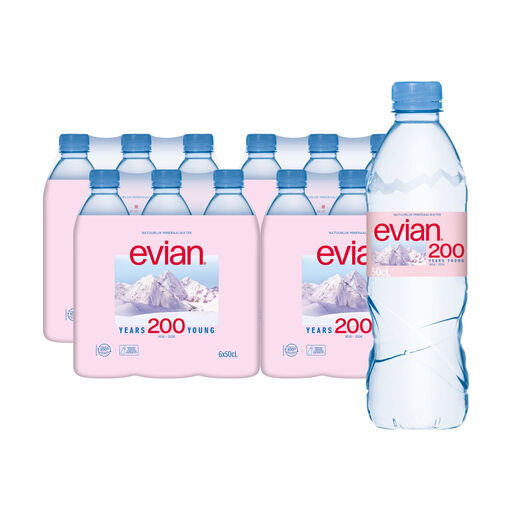
Why it suits this profile: A well-known brand and a large supply of small bottles for guests, meeting rooms or households where portability matters.
The volume is clearly stated as 24 x 500 ml. This makes it easy to work out the total amount in advance, without confusing a large multipack with a large individual bottle.
24 portable bottles, with a listed composition per litre of 6.5 mg sodium, 80 mg calcium and 360 mg bicarbonate.
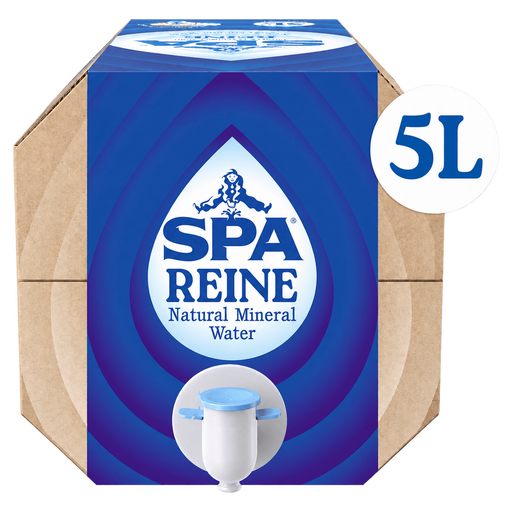
Why it suits this profile: A 5-litre ecopack for families, offices or places where water is used regularly and individual bottles are less practical.
The packaging gives clear hygiene instructions. Don’t use the product if it is damaged or leaking, don’t touch the tap and don’t reuse the ecopack.
5 litres of natural mineral water, 3 mg of sodium per litre and, according to the product information, suitable for preparing infant formula.
We’ve put together a complete, up-to-date list of products that meet these strict selection criteria and the applicable European safety regulations.
Look for an explicit statement on the label or product page. The product information provided for SPA Reine and Bar Le Duc says that their water is suitable for infant formula. This doesn’t replace the preparation instructions from the formula manufacturer. Always use unopened, undamaged packaging and follow good hygiene practices.
In practice, “without carbonation”, “still” and “plain” generally refer to water without added carbonation. When ordering online, check the product title, description and packaging, as some listings may contain conflicting translations.
That depends on the brand, size and any offers available. Work out the price per litre by dividing the total price by the number of litres. A 10-litre or 5-litre pack may mean fewer containers, while 500 ml bottles are more convenient when you’re out and about. Remember to factor in storage space, weight and delivery when comparing options.
