
Vandaag of morgen in huis

Kwaliteit gegarandeerd

Welkomstaanbiedingen ontgrendelen: GRATIS bezorging | Tot 80% korting | Gratis 30 dagen JoyPlus-proefperiode
Download de app
Sparkling mineral water is popular with meals, at home and on the go. But bottles and multipacks can vary considerably in taste, carbonation level, mineral content and packaging. A striking label doesn’t always tell you what you need to know. If you focus only on the brand or a discount, you could end up with too much in the cupboard, small bottles that have gone warm, or water with a different composition from what you expected.
Use these practical tips to compare sparkling mineral water, lightly sparkling mineral water and carbonated water using verifiable product information.
Mineral content varies considerably. For example, SPA Intense lists 5 mg of sodium, 5.5 mg of calcium and 18 mg of bicarbonate per litre. Beypazari lists around 138 mg of sodium, 205.867 mg of calcium and 1,433.5 mg of bicarbonate per litre. This gives the waters different flavour profiles and makes them suitable for different occasions.
So compare the mineral content per litre, rather than relying only on words such as “pure”, “natural” or “rich in minerals”. If you’re following a low-sodium diet, pay particular attention to the sodium content.
A lightly sparkling product contains less carbon dioxide than an intensely sparkling one. For example, SPA Finesse Light lists 3.8 grams of natural carbon dioxide per litre. SPA Intense, by contrast, is designed to give you a stronger fizz. Choose according to your preference: subtle bubbles with a meal or more carbonation for a pronounced refreshing effect.
A 1.5-litre bottle is handy for the family or the fridge, but less suitable for a bag. Small bottles or cans are easier to take with you, but often mean more packaging per litre and more frequent packaging disposal. Also check that you have enough fridge space and how much you’re likely to drink before the best-before date.
Check the ingredients list. Many products list natural mineral water and carbon dioxide. This means carbon dioxide has been added or is present according to the product specification; don’t assume that all sparkling water comes naturally carbonated from the source.
Just want mineral water with no sugar? Check the nutrition table. SPA Intense, SPA Finesse Light, g’woon Sparkling Mineral Water and Bar Le Duc Natural Sparkling Mineral Water list 0 kcal and 0 grams of sugar per 100 ml. A flavoured product can also be sugar-free, but still contain sweeteners or flavourings. For example, SPA Touch Sparkling Lemon lists natural lemon and lime flavourings, with no sugar or sweeteners.
For everyday use, it’s helpful to compare calcium, magnesium, sodium and bicarbonate. A lower sodium content may suit people who want to reduce their salt intake. Bar Le Duc lists 10.7 mg of sodium per litre and SPA Intense 5 mg per litre. Beypazari and Kızılay, by contrast, have a significantly higher total mineral content.
The listed values are product specifications. They aren’t medical advice and, on their own, don’t indicate anything about treatment or health outcomes.
Choose a size to suit how you’ll use it:
Store sparkling water in a cool, dry place away from direct sunlight. Open bottles carefully, especially if they’ve been shaken. After opening, close the bottle tightly and keep it chilled; always follow the instructions on the packaging.
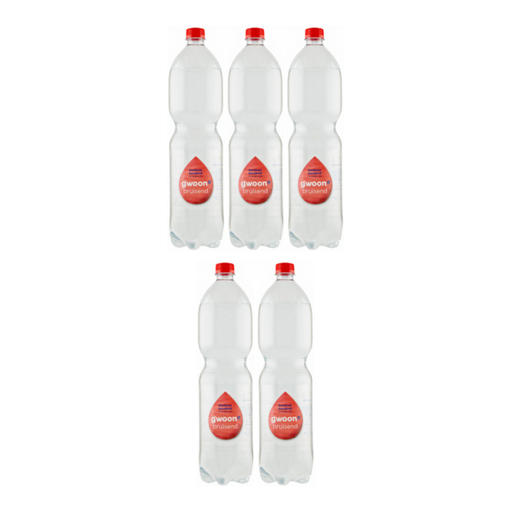
Why it suits this profile: The pack contains five 1.5-litre bottles, making it a good choice for everyday use at home, shared meals and stocking the fridge.
The bottle size and multipack contents are clear upfront. The product specification lists 0 kcal and 0 grams of sugar per 100 ml, with water and carbon dioxide as the ingredients.
1.5 litres per bottle, five bottles per pack, with no sugar or calories according to the label.
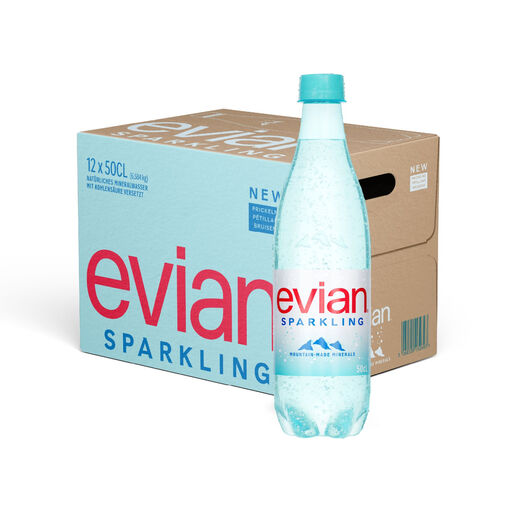
Why it suits this profile: The 500ml bottles are a good size for a refreshing drink on the go, at work or with a meal.
Mineral levels are listed per litre, including 80 mg of calcium, 26 mg of magnesium and 6.5 mg of sodium. This makes it easy to compare the composition.
12 bottles of 500 ml, with a clear mineral breakdown per litre.
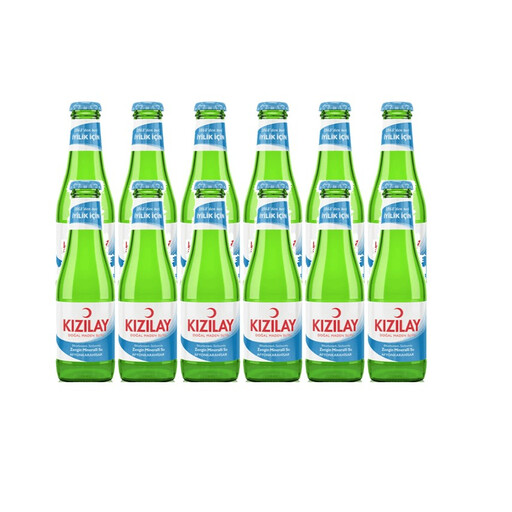
Why it suits this profile: The small glass bottles are handy with Turkish meals, when entertaining or when you want to serve a smaller amount at a time.
The small size means you won’t leave a large bottle open for long. Its listed mineral content of 3,480 mg per litre makes clear that this water tastes different from lightly mineralised sparkling water.
12 bottles of 200 ml, with the total mineral content clearly listed.
We’ve put together a complete, up-to-date list of products that meet these strict selection criteria and the applicable European safety regulations.
Plain sparkling mineral water usually contains 0 kcal and 0 grams of sugar per 100 ml when its only ingredients are water and carbon dioxide. Always check the label. Flavoured varieties may contain flavourings, fruit juice or sweeteners. For example, SPA Touch Sparkling Lemon lists no sugar, sweeteners or calories, while other fruity sparkling drinks may contain sugar.
That depends on the packaging, closure, temperature and the manufacturer’s instructions. Close the bottle as soon as you’ve poured a drink, keep it chilled and consume it according to the directions on the label. A large 1.5-litre bottle may be less practical if it takes you several days to finish; smaller servings can help avoid this.
That depends on your personal preference, diet and the mineral content. In particular, compare sodium, calcium, magnesium and bicarbonate. If you follow a specific diet, you can discuss the product information with a dietitian or doctor. For an everyday purchase, taste, carbonation level, bottle size and sugar content are usually the most useful points to compare.
