
Vandaag of morgen in huis

Kwaliteit gegarandeerd

Welkomstaanbiedingen ontgrendelen: GRATIS bezorging | Tot 80% korting | Gratis 30 dagen JoyPlus-proefperiode
Download de app
Sparkling water is available as naturally carbonated mineral water, flavoured sparkling water, sugar-free sparkling water, and sparkling water in cans or bottles. With so much choice, it’s not always easy to decide. A pack may look appealing, but its contents might not suit your taste, dietary goals or intended use.
For households, offices and hospitality businesses, three pitfalls are especially worth bearing in mind:
Use the checks below to compare sparkling water based on verifiable product information, rather than packaging or marketing alone.
Carbonation can occur naturally in mineral water or be added to it. The label may say, for example, “naturally carbonated mineral water” or “natural mineral water with added carbon dioxide”. This helps you identify the type of product you’re buying.
Unflavoured sparkling water goes well with meals, coffee or tea breaks, and use in an office. Flavoured sparkling water may appeal if you’re looking for an alternative to soft drinks, but check whether juice, sweeteners or sugar have been added.
Don’t just compare the front of the pack. Check the:
A product labelled “zero sugar” may still contain sweeteners. According to Chi Forest product information, the Sunny Mango and Yuzu varieties contain 0 grams of sugar and 0 kcal per 100 ml, but do contain sweeteners. Charlie’s flavoured varieties contain 0 grams of sugar per 100 ml according to the nutrition table, with 1 to 3 kcal per 100 ml depending on the flavour.
For taking on the go or serving in a meeting room, cans of sparkling water in 330 ml portions are easy to hand out. 500 ml bottles are more convenient when someone will be drinking from the same container over a longer period. Check the storage instructions once opened: keeping the drink chilled helps preserve its taste and carbonation.
For a household or hospitality business, it’s worth comparing the total volume. A case of 24 x 330 ml contains 7.92 litres; a pack of 12 x 500 ml contains 6 litres. This helps you see whether the multipack really suits your consumption.
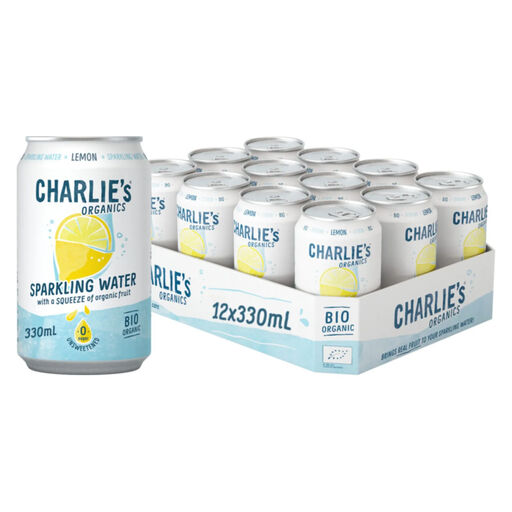
Why it suits this profile: The pack of 12 330 ml cans is a manageable choice for a first purchase, whether at home or in the office. The lemon flavour adds variety without leaving you with a large stock to use up.
The product information states that it contains 97% carbonated water, 3% organic lemon juice and 1 kcal per 100 ml. That means you know what to expect from its flavour and nutritional values.
330 ml per can, 0 grams of sugar per 100 ml, and suitable as a base for mixed drinks according to the product description.
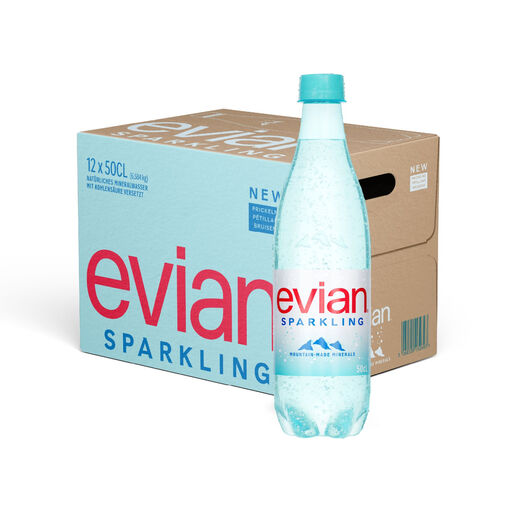
Why it suits this profile: The 500 ml bottle is a good choice for lunch, a meeting or a meal when you want the neutral taste of mineral water.
The product information specifies the mineral content per litre, including 80 mg of calcium, 26 mg of magnesium and 360 mg of bicarbonate. This makes it easy to compare the composition in detail.
Naturally carbonated mineral water, 12 bottles of 500 ml, and a clear breakdown of its mineral content.
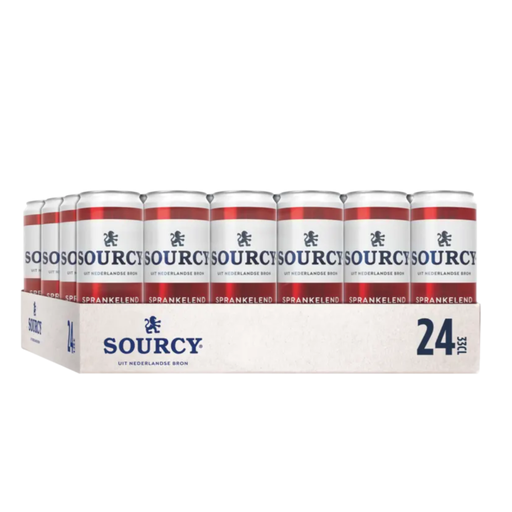
Why it suits this profile: A case of 24 cans is ideal for offices, events and hospitality settings where individual portions need to be readily available.
The ingredients list states that it contains natural mineral water and added carbon dioxide. Calcium, magnesium, sodium and bicarbonate levels are also specified.
24 cans of 330 ml, no sugar according to the product information, and easy to serve chilled.
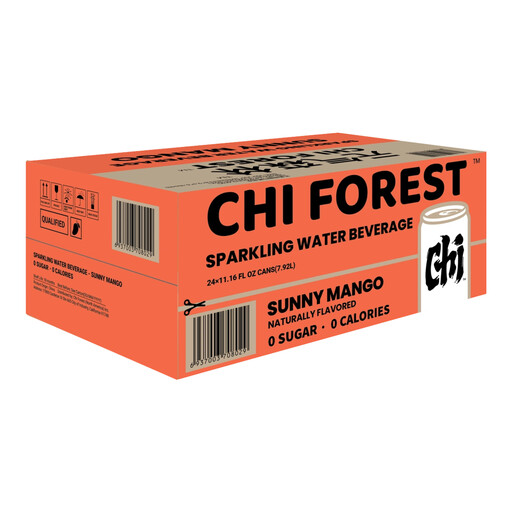
Why it suits this profile: The mango flavour and 330 ml portions are a good match if you’re after a sweeter, soft-drink-style taste without sugar listed in the nutrition table.
The product information states that it contains 0 kcal and 0 grams of sugar per 100 ml, but also erythritol and sucralose. So you know exactly what “sugar-free” means in this case.
24 cans, mango flavour, 0 grams of fat and a clear warning that the product contains sweeteners.
We’ve put together a complete, up-to-date list of products that meet these strict selection criteria and current European safety requirements.
Unflavoured sparkling water usually contains no sugar, but always check the ingredients list. Flavoured sparkling water may contain fruit juice, sugar or sweeteners. So check the nutritional values per 100 ml rather than relying on terms such as “light” or “zero”.
Check the packaging for precise instructions. The product information for the products mentioned generally says that an opened bottle should be kept chilled and used within the stated period. Close the bottle tightly to help prevent it from losing its fizz. It’s best to drink an opened can as soon as possible.
It depends on the volume, price per litre and how you’ll use it. 330 ml cans are practical for individual portions and sharing. 500 ml bottles provide more per unit. When buying sparkling water, always work out the total number of litres per case and compare it with how much you expect to use.
