
Vandaag of morgen in huis

Kwaliteit gegarandeerd

Welkomstaanbiedingen ontgrendelen: GRATIS bezorging | Tot 80% korting | Gratis 30 dagen JoyPlus-proefperiode
Download de app
Have you ever enjoyed a warm, fragrant drink with pieces of fruit in a restaurant, or perhaps stumbled upon the term yuja cha online? Chances are, you've been introduced to Korean fruit tea. These concentrated fruit preparations, often sold in a jar, are rapidly gaining popularity. They are flavourful, versatile, and simple to prepare.
However, the sheer variety can be overwhelming. What's the difference between yuzu and lemon? And what should you look for when buying? As a Joybuy Product Recommendation Officer, I'm here to guide you. In this article, I'll provide practical tips and a curated selection of popular choices to help you find the Korean fruit tea that's perfect for you.
This tea in a jar is different from the tea bags you might be used to. It's a type of marmalade or syrup that you dilute with water. Here are a few key points to help you choose.
The most famous variety is yuzu tea, also known as yuja cha. Yuzu is an East Asian citrus fruit with a complex, aromatic flavour that falls somewhere between a grapefruit, lemon, and mandarin. Besides yuzu, other flavours are also available:
Plum tea (maesil-cha) has a deep, sweet-and-sour taste that is very different from citrus. An intriguing option for those looking to try something new.Korean fruit tea mainly consists of fruit, sugar, and/or honey. The ratios determine the flavour and quality. Check the label for the fruit percentage. A higher percentage typically means a more intense, authentic taste. While these Korean drinks contain sugar, they are best viewed as an indulgent treat, similar to a cordial or lemonade. For those seeking a healthy tea, it's good to know that the fruit does contain vitamins, but be mindful of the sugar content.
Despite its name, Korean fruit tea is more than just a beverage. You can use it in countless ways:
Based on product specifications and versatility, we have compiled a list of interesting options for you.
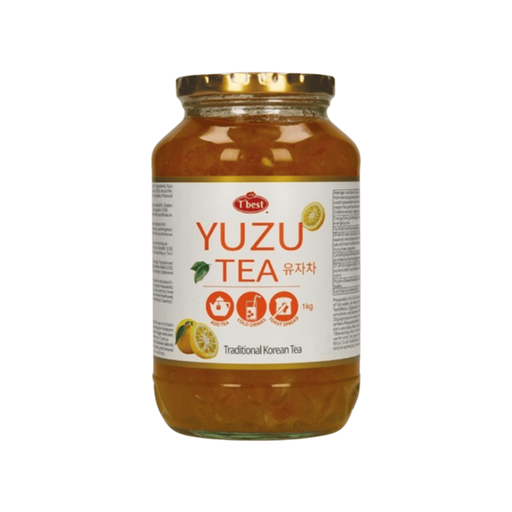
yuzu tea enthusiast looking for an authentic taste and who uses the product regularly.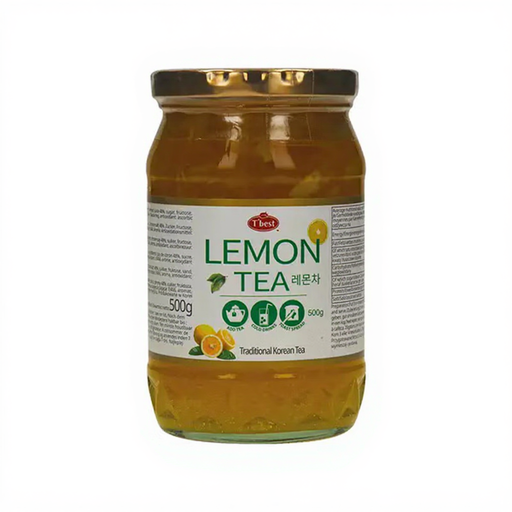
tea in a jar contains real Korean lemon slices. With a lemon juice content of 48%, it offers a fresh and familiar taste.buy lemon tea that is reliable, easy, and suitable for the whole family. A great entry point into the world of Korean tea.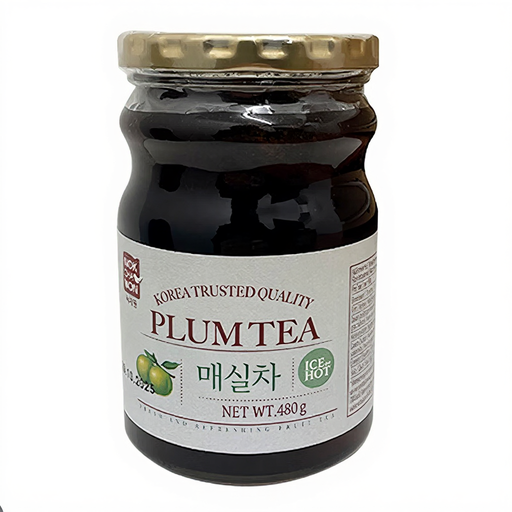
plum tea offers a unique taste experience. The sweet-and-sour flavour of plums is a welcome change from the more common citrus varieties.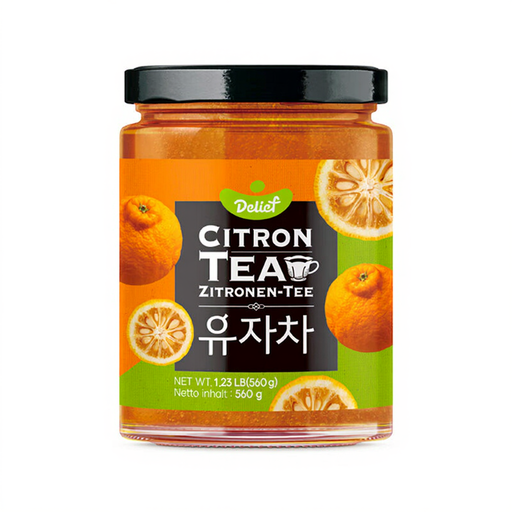
The world of Korean fruit tea is broad and diverse. In addition to the flavours mentioned above, there are countless other varieties to discover. Curious about more options?
Check out our full range of fruit tea for more flavours and varieties.
Korean fruit tea, or cheong, is a traditional Korean syrup or preserve made from fruit (like yuzu, plum, or lemon) that is preserved in sugar or honey. The result is a thick, marmalade-like substance that you dilute with hot or cold water to make a drink.
It's very simple. Scoop 2 to 3 teaspoons of yuzu concentrate into a mug. Add hot or cold water (about 200-250 ml) and stir well until it has dissolved. You can simply eat the pieces of fruit.
Korean fruit tea contains real fruit, which can be a source of vitamins like vitamin C. However, it's important to remember that it also contains a significant amount of sugar to preserve the fruit. It's best to view it as an indulgent treat—a flavourful and soothing alternative to soda or a standard cup of tea—rather than a specific health product. The sugar content varies by brand, so it pays to compare labels.
