
Vandaag of morgen in huis

Kwaliteit gegarandeerd

Welkomstaanbiedingen ontgrendelen: GRATIS bezorging | Tot 80% korting | Gratis 30 dagen JoyPlus-proefperiode
Download de app
Korean cuisine is so much more than just kimchi and barbecue. One of its most beloved treasures is Korean citron tea, also known as Yuja tea or yuzu tea. This isn't your typical tea bag; it's a marmalade-like preserve in a jar that you mix with hot or cold water. The result is a warming, sweet-and-sour beverage filled with pieces of citrus fruit.
But a quick online search reveals a dizzying array of jars. Which one should you choose? They may all look similar, but the details make all the difference. As a Joybuy Product Recommendation Officer, my job is to help you make an informed choice. In this article, we'll provide practical tips and highlight several popular options, so you know exactly what you're getting.
Before we dive into the products, here are a few key points to consider. These will help you better understand the specifications on the label.
The base of Korean citron tea is preserved citrus fruit. The most traditional version is made from yuja (also known as yuzu), an East Asian citrus fruit with a flavour profile somewhere between a lemon and a mandarin orange. Some products use regular lemon or even pomelo. Check the ingredients list to see which fruit is used and its percentage. A higher percentage of fruit pulp or peel often means a more intense flavour.
This product is essentially a citron marmalade for tea. It always contains sugar to preserve the fruit and balance the flavour. The most common sweeteners are refined sugar, fructose, or honey. A Korean honey citron tea often has a rounder, deeper sweetness. The choice ultimately depends on your personal preference.
The texture of jarred citron tea can vary. Some versions are a smooth jelly, while others are packed with coarse pieces of peel and pulp. If you enjoy chewing on the fruit pieces, a chunkier texture is an excellent choice. Do you also plan to use it as a spread on toast or in yoghurt? Then a smoother texture might be more practical.
Based on product specifications and ingredients, we have selected three compelling options.
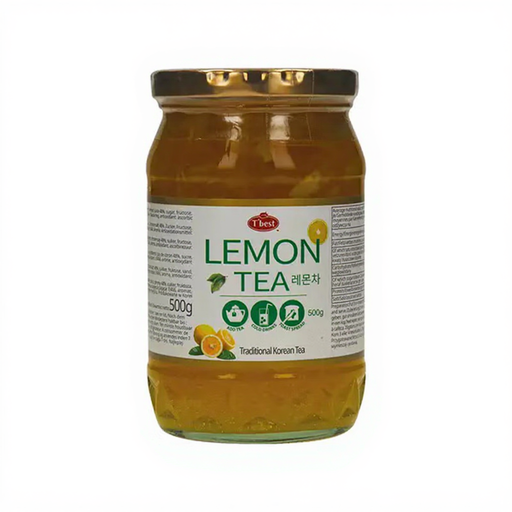
Why It Stands Out: This tea from TBEST is notable for its high lemon juice content (48%) and the inclusion of real lemon slices. Its jam-like consistency makes it easy to portion.
Pros
Who It's For: Ideal for those seeking a classic, straightforward Korean citron tea. The fresh lemon flavour makes it an approachable choice for beginners and connoisseurs alike.
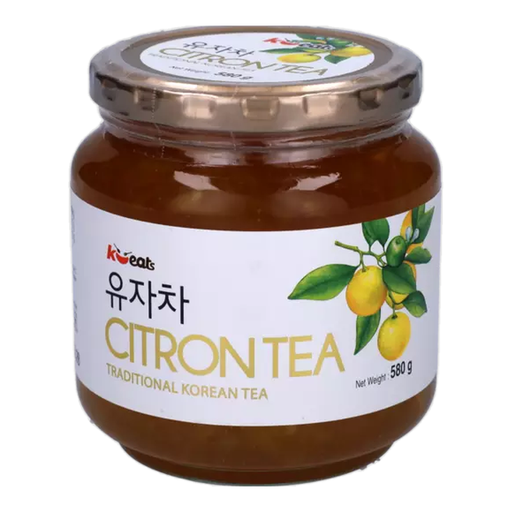
Why It Stands Out: K-eats highlights its use of real citron fruit (yuja) and honey, resulting in a traditional flavour. The product description indicates that it follows a traditional Korean recipe without artificial preservatives.
Pros
Who It's For: Perfect for fans of the authentic Yuja tea flavour. It's also a great option for foodies looking for a versatile citron marmalade for tea to experiment with in the kitchen.
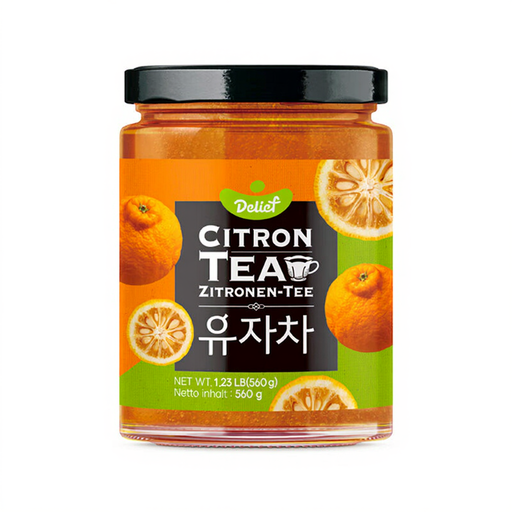
Why It Stands Out: Delief uses candied pomelo as its base, an interesting variation on the traditional yuja. This provides a unique, sweet, and zesty flavour that's just a little different.
Pros
Who It's For: For the adventurous tea drinker who wants to try something different from the standard yuzu tea. The pomelo flavour offers a surprising and refreshing twist.
These three recommendations are a great starting point, but taste is subjective. Perhaps you're looking for an organic version, a larger jar, or a tea with a different citrus fruit. Everyone has their own preference when it comes to the balance of sweet, sour, and the amount of fruit pulp.
Curious about other options? Browse our full collection for more choices.
1. What is the difference between Korean citron tea and regular lemon tea? Regular lemon tea is usually a tea bag containing dried tea and lemon flavouring. Korean citron tea is a jarred citron tea, a marmalade-like substance made from preserved citrus fruits (like yuja or lemon) with sugar or honey. You dissolve a few spoonfuls in water. It contains real pieces of fruit and peel.
2. How do you make Yuja tea? It's very simple. Spoon 2 to 3 teaspoons of the marmalade into a mug. Pour hot (not boiling) water over it and stir well. You can also make it with cold water and ice cubes for a refreshing iced tea. Additionally, it's delicious on toast, mixed into yoghurt, or as a flavouring for marinades.
3. Is Korean citron tea healthy? Citrus fruits like yuja and lemon naturally contain vitamin C. Brands often claim their product is a good source of this vitamin as a result. However, it's important to remember that Korean honey citron tea also contains a significant amount of sugar. Think of it primarily as a delicious, comforting drink for cold days or as a refreshing treat, not as a health supplement.
