
Vandaag of morgen in huis

Kwaliteit gegarandeerd

Welkomstaanbiedingen ontgrendelen: GRATIS bezorging | Tot 80% korting | Gratis 30 dagen JoyPlus-proefperiode
Download de app
Korean tea and drinks are available online as tea concentrate, loose tea bags and ready-to-drink iced tea. This wide selection is convenient, but it also makes choosing more difficult. A colourful packet tells you very little about the taste, the sugar content or the amount you actually get.
As a Joybuy Product Recommendation Officer, I filter product information on practical points. This way, you can see more quickly which Korean fruit tea is suitable for home, which drink is handy for on the go, and when a larger jar works out more cost-effective.
Korean yuzu tea, lemon tea, ginger tea and plum tea are often sold in jars. These are usually concentrates that you mix with hot or cold water. So they are not intended to be drunk straight from the jar. Always check the preparation method and see if there is a recommended amount per serving.
A pouch of 190 or 230 ml, on the other hand, is ready to drink. That is simpler for work, school, a picnic or on the go, but you only get one serving per pack.
"Peach", "lemon" or "yuzu" does not automatically describe the composition. Check the ingredients list. With some products, sugar or fructose appears relatively early in the list. That can result in a sweeter taste than you expect.
Also compare the nutritional values per 100 grams or 100 ml. A jar of concentrate and a ready-to-drink Korean tea drink are not directly comparable without taking the dilution into account.
A jar of 480 or 560 grams contains multiple servings, but it takes up space in the fridge after opening if the packaging requires it. So look at the storage conditions. Many concentrates must be stored in a cool, dry place and refrigerated after opening. Ready-to-drink pouches are easier to keep in stock, but they have more packaging material per drink.
First, choose between three practical forms:
A Korean ginger tea or Korean fruit tea in a jar usually requires water and a spoon. A Korean iced tea in a pouch only needs to be chilled. For daily use at home, a concentrate can be convenient; for lunch or a day out, a single-serve pack is often more practical.
Compare not only the contents of the jar, but also the number of possible servings. Also check the nutritional values and ingredients. For example:
These figures give an objective comparison, but the final amount per glass depends on how much concentrate you add.
Read the current packaging before purchasing. Product information online can change, and the packaging may contain additional information. Pay particular attention to:
If a product states that it contains none of the 14 major EU allergens, it is still wise to check the label. If you have an allergy or intolerance, the packaging is the deciding factor.
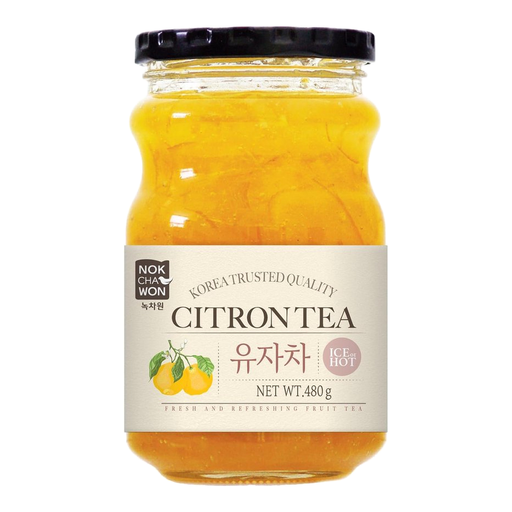
Why this suits the profile: A 480-gram jar is an accessible way to prepare Korean lemon tea at home, hot or cold. You decide the strength per glass yourself.
The product information makes it clear that this is a fruit drink for hot or cold use. Check the serving size and sugar content before you order.
480-gram jar; suitable for hot and cold preparation; according to the product information, free from the 14 major EU allergens.
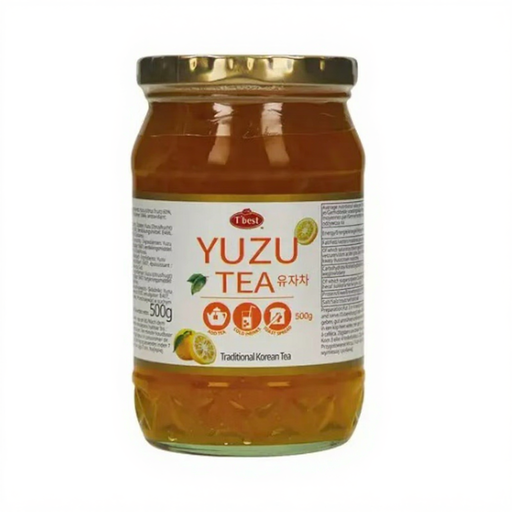
Why this suits the profile: This yuzu variant contains 60% yuzu according to the ingredients list and is intended for those looking for a pronounced citrus profile.
The percentage of yuzu is explicitly stated. So you don't have to rely solely on the name or the picture on the packaging.
500-gram jar; 60% yuzu according to the product information; refrigerate after opening.
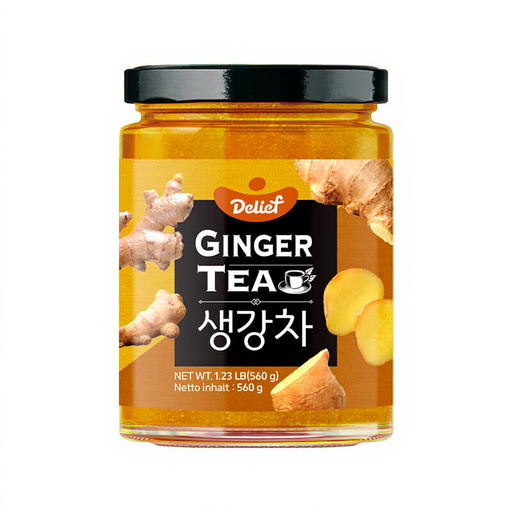
Why this suits the profile: The 560-gram jar suits households that regularly drink Korean ginger tea and want to prepare multiple cups from one pack.
The ingredients include sweetened ginger and ginger extract, among others. So you know this is not an unsweetened pure ginger infusion.
560-gram jar; can be used with hot or cold water; 59 grams of sugars per 100 grams according to the product information.
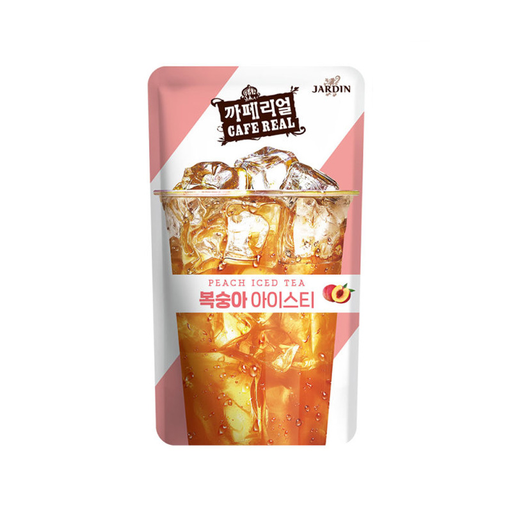
Why this suits the profile: The pouch contains one 230 ml serving and, according to the product information, is intended to be drunk chilled. That suits work, school and travel.
You don't need to measure out any concentrate. Do check the label if you want to compare ingredients or nutritional values.
230 ml per pouch; ready to drink; 32 kcal and 7.5 grams of sugar per 100 ml according to the product information.
We have compiled a full, up-to-date list of products that fully meet these strict selection criteria and the applicable European safety regulations.
Korean fruit tea is often a concentrate with fruit, sugar and water. You mix it with hot or cold water. Regular green tea or cold-brew tea usually consists of tea leaves or powder that you steep. So always check whether you are buying a jar, tea bags or a ready-to-drink Korean tea drink.
Store an unopened jar according to the label in a cool, dry place, away from direct sunlight and heat. After opening, a concentrate often needs to be well sealed and refrigerated. An opened pouch or drink pack generally belongs in the fridge and should be used within the stated period.
Yes, products such as peach iced tea in a pouch are intended to be drunk straight away and are served chilled. Korean lemon tea, yuzu tea and ginger tea in a jar are usually concentrates. With those, you add water yourself. Check the product description and the preparation instructions on the packaging before you buy.
