What should you look for when choosing?
Start with the care label and how much ironing you have to do. For a short ironing session, a compact steam iron is usually practical; a steam generator is worth considering if you regularly iron more items.
| What to consider |
What should you check? |
Who is it most relevant for? |
| A small load of ironing |
Compare the size and water tank, and check the adjustable steam settings. |
If I’m only ironing a pair of shorts before the working week, I want to get started quickly and put the iron away easily. Around 36% of consumers prioritise speed for a small load of ironing. |
| Creases in cotton |
Check the steam control and steam boost; where possible, look for an independent assessment of how it performs on cotton. |
If the creases are stubborn, I want to know that the shorts will be smooth without getting too wet during steaming. Around 29% of consumers prioritise smoothing creases in cotton. |
| Different fabrics |
Read the garment’s care label and check that the temperature is suitable for the fabric. |
If I iron fabrics other than cotton, I want to be able to adjust the settings for each garment. Around 21% of consumers put handling different fabrics first. |
| Maintenance |
Read the descaling instructions and check whether the model uses replaceable cartridges. |
I want to know in advance what maintenance my iron needs and whether any parts have to be replaced regularly. Around 14% of consumers make maintenance and ongoing costs their top purchase priority. |
Products at Joybuy
These picks from Joybuy focus on steam irons with adjustable steam or a steam boost to tackle creases in cotton shorts. CE marking is compulsory for electrical products in the Netherlands; check that the product you’re buying has the mark.
 No image available
2400 W handheld steam iron
An option to compare if you want to adjust the steam and temperature to suit the creases and the garment’s care label.
2400 W; non-stick soleplate; automatic cleaning function; anti-drip function.
View at Joybuy
 No image available
Xiaomi handheld steam iron BHR9034EU
Worth comparing if you’re looking for a compact model and want to adjust the steam and temperature manually.
Dual voltage; compact and lightweight according to the product name.
View at Joybuy
 No image available
Philips 1000 Series DST1030/20
Suitable if you want to adjust the steam and temperature for creases in cotton and other ironable fabrics.
2000 W; colour: blue and white.
View at Joybuy
 No image available
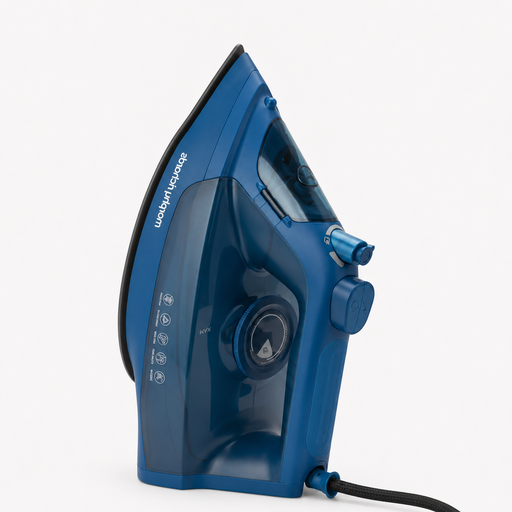
Morphy Richards Crystal Clear MDH-IRK4V
An option to compare if you want to use steam to tackle creases in cotton shorts.
2800 W; ceramic soleplate; colour: blue.
View at Joybuy
 No image available
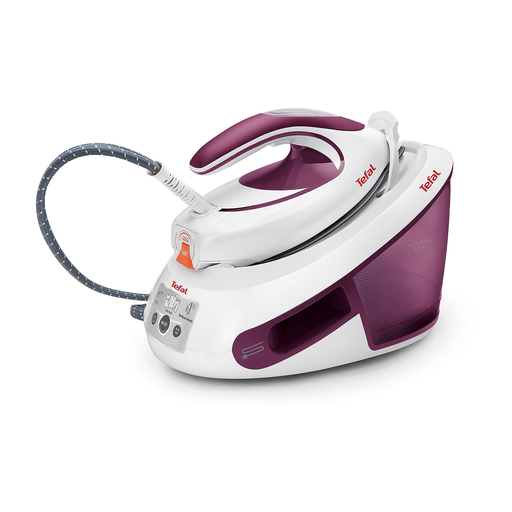
Tefal Express Anti-Calc SV8054
Worth comparing if you’d like to refill less often during an ironing session.
2800 W; 1.8 l water tank; Durilium soleplate; colour: purple and white.
View at Joybuy
Frequently asked questions
Can I iron every pair of cotton shorts on the highest setting?
No. Check the care label on your shorts first, then adjust the temperature and steam accordingly. The Dutch Consumers’ Association warns that too much heat can damage or scorch fabric.
How can I tackle a stubborn crease without getting my shorts too wet?
If needed, use a steam boost or spray function, then iron dry without steam. Don’t keep pressing the steam button repeatedly.
What water and maintenance does a steam iron need?
The Dutch Consumers’ Association says steam irons are designed for tap water. Follow your model’s instructions for descaling and using softened water, if applicable, and empty the tank after use.
Do I need to buy an extended warranty in the Netherlands?
No, you don’t need an extended warranty to have statutory rights. ACM ConsuWijzer explains that, with normal use, you’re entitled to a product that does what you can reasonably expect. If it develops a fault too soon, the seller is responsible for providing an appropriate solution. A paid extended warranty is separate from this.
Is CE marking compulsory for an electric iron sold in the Netherlands?
Yes. The Netherlands Food and Consumer Product Safety Authority states that CE marking is compulsory for electrical products and that there’s no general requirement for a separate inspection. A CE marking shown in a product listing doesn’t, by itself, prove that a specific item meets all safety requirements.


