
Vandaag of morgen in huis

Kwaliteit gegarandeerd

Welkomstaanbiedingen ontgrendelen: GRATIS bezorging | Tot 80% korting | Gratis 30 dagen JoyPlus-proefperiode
Download de app
A bottle of iced tea might seem like a simple purchase. Yet products vary greatly in flavour, sugar content, volume and preparation method. A large pack may look like good value, but it's less practical if you're drinking it on your own. What's more, a flavour name like peach or lemon doesn't automatically tell you how much fruit or tea is actually inside.
As a Joybuy Product Recommendation Officer, I filter the most important product information so you can separate marketing language from verifiable facts. With these points, you can make a more informed choice between ready-to-drink tea, fruit tea and a concentrate for home use.
With peach iced tea or lemon iced tea, the fruit content can be very low. For example, Fuze Tea Black Tea with Peach & Hibiscus contains 0.1% peach juice from concentrate and 0.12% black tea extract. The peach flavour comes from natural flavourings. That doesn't necessarily make it a bad choice, but it does give you a more realistic picture of what you're buying.
Always check the ingredients list and the quantitative declarations. If tea extract or fruit juice appears near the end of the list, the product is mostly flavoured water with tea components.
A drink with few calories can still contain sugar. Fuze Tea states 19 kcal and 4.4 grams of sugar per 100 ml. According to the product information, Lipton Ice Tea Peach contains 13 kcal and 3 grams of sugar per 100 ml.
If you're specifically looking for less sugar, it's better to compare the nutritional values per 100 ml. g'woon Ice Tea Peach Zero states 0 kcal and 0.1 grams of sugar per 100 ml. This version uses sweeteners, including sucralose and acesulfame-K. "Sugar-free iced tea" and a sweet taste can therefore go hand in hand, but the sweeteners used are something to check on the label.
An iced tea multipack is handy for a family, guests or the store cupboard. However, you need to compare the total volume. Six cans or bottles of 250 ml together contain 1.5 litres; a 1.5-litre bottle has the same volume but a different usage moment and a different storage option once opened.
Ready-to-drink tea is ready to enjoy straight away and is usually best served chilled. A jar of fruit tea or Korean citron tea requires more preparation but can yield several cups or glasses.
Use the table per 100 ml as a consistent baseline. Also look at the packaging unit. A 230 ml pouch, for example, can contain 24 grams of sugar, as with JARDIN Café Real Peach Iced Tea. That looks different from a value per 100 ml, but per pack you can see more clearly what you're actually drinking.
If you want to limit calories or sugar, green tea, unsweetened fruit tea and sugar-free iced tea are logical directions to explore. With flavoured tea, do check whether it contains sugar, sweeteners or liquorice.
Black tea generally has a stronger, fuller flavour profile. Many classic lemon and peach drinks use black tea as a base. Green tea is often lighter in flavour. A fruit-flavoured product may also contain rooibos, herbs or just flavourings.
Caffeine-free does not mean the same as low-calorie. Pickwick Fruit Fusion Fruit Variation contains rooibos and, according to the product information, is caffeine-free, with around 1 kcal per 100 ml. Pickwick Fruit Infusion Purple Tea also contains caffeine-free tea bags. With a regular fruit tea based on black or green tea, caffeine is certainly possible.
Check before you buy:
With a concentrate, such as Nokchawon Citron Tea, the product consists of sweetened citron, fructose and other ingredients. The nutritional value is 275 kcal and 55 grams of sugar per 100 grams. This is therefore quite different from a low-calorie ready-to-drink iced tea. Follow the instructions on the label for the correct ratio and store the sealed jar in a cool, dry place away from direct sunlight.
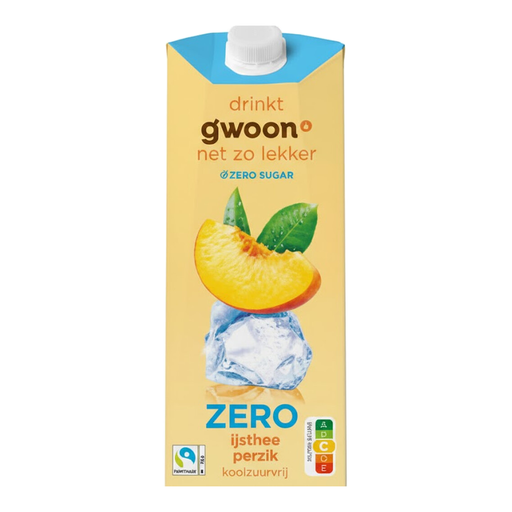
Why this fits the profile: The 1.5-litre bottle is practical for home use and, according to the product information, contains 0 kcal per 100 ml.
The nutritional value is clearly stated per 100 ml, so you don't have to rely solely on the term "Zero".
1.5-litre volume; 0 kcal and 0.1 grams of sugar per 100 ml; peach flavour.
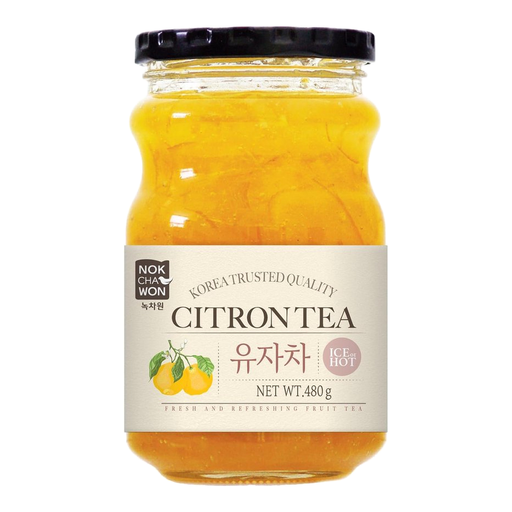
Why this fits the profile: Suitable for lovers of Korean citron tea who want to prepare a hot or cold drink themselves.
The nutritional information makes it clear that this is a sweetened concentrate, not a sugar-free iced tea.
480-gram jar; suitable for hot and cold use; product from Korea.
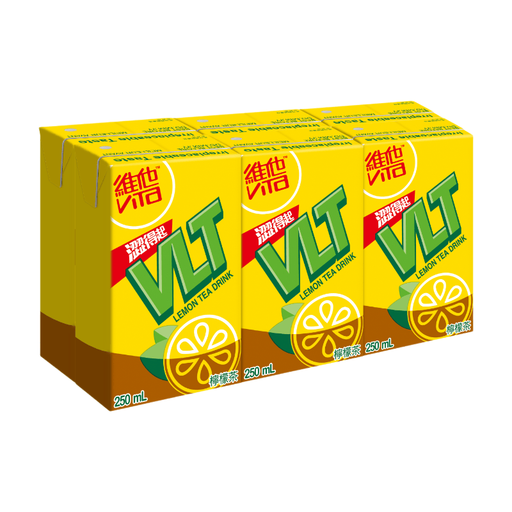
Why this fits the profile: The six 250 ml portions are handy for lunch, on the go or a chilled stock at home.
The packaging and nutritional values are concrete: 250 ml per unit, 42 kcal and 10.2 grams of sugar per 100 ml.
Six individual packs; black tea with lemon juice; serve chilled.
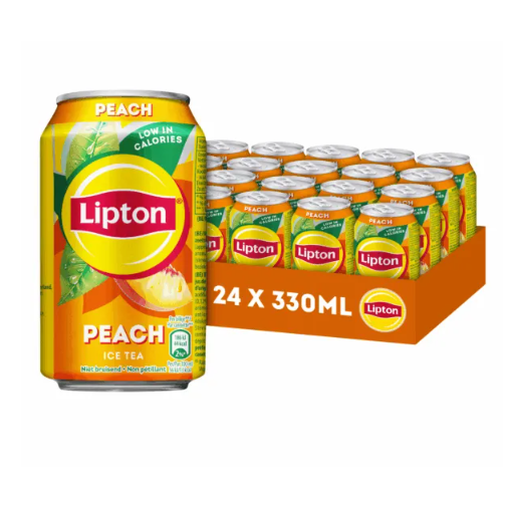
Why this fits the profile: A multipack with 24 portions of 330 ml is suitable when several people regularly want an individual pack.
The portion size is pre-divided, so you don't have to keep storing an opened large bottle.
24 x 330 ml; individually packed; 13 kcal and 3 grams of sugar per 100 ml according to the product information.
We've put together a full, up-to-date list of products that fully meet these strict selection criteria and comply with current European safety regulations.
Brew the tea according to the instructions on the packet, let it cool and add ice and fruit if you like. With green tea, a slightly lower water temperature may be preferable; always follow the brewing instructions from the brand. Check with fruit tea whether it contains black tea, green tea, rooibos or herbs.
Compare the nutritional values per 100 ml. In the range mentioned, g'woon Ice Tea Peach Zero states 0.1 grams of sugar per 100 ml and 0 kcal. Other products, such as Fuze Tea and Lipton Ice Tea Peach, do contain sugar. Also check whether sweeteners have been used.
This varies by product. Many ready-to-drink drinks need to be refrigerated after opening and consumed within the period stated on the packaging. Store a sealed bottle, can or pouch according to the storage advice given. With a jar of concentrate, keep the lid tightly closed and avoid heat, moisture and direct sunlight.
