
Vandaag of morgen in huis

Kwaliteit gegarandeerd

Welkomstaanbiedingen ontgrendelen: GRATIS bezorging | Tot 80% korting | Gratis 30 dagen JoyPlus-proefperiode
Download de app
Asian iced tea is popular with meals, in the office and on the go. The choice ranges from Chinese iced tea with lemon to Japanese green tea, oolong tea with fruit and chrysanthemum tea. Yet an attractive package tells you little about the taste, sugar content or ease of use.
If you buy a multipack of tea without comparing, you are most likely to run into these three pitfalls:
Always compare nutritional values per 100 ml and then calculate them for the whole pack. A 250 ml pack makes it easier to assess your intake per portion, while a 500 ml bottle lasts longer but can also contain more sugar and energy.
Some examples from the range:
Also look out for terms such as erythritol, fructose-glucose syrup, honey or sweeteners. A product labelled “light”, “less sugar” or with a fruity appearance should always be checked against the full nutritional information table. For example, Drinho Chrysanthemum Tea states 25% less sugar in the product information; still compare this with the total sugar content on the pack.
The base determines the flavour profile:
A mention such as “Japanese green tea” or “Chinese iced tea” tells you something about the style and origin, but not automatically about the amount of tea, sugar or fruit juice. So look at the ingredient order and any percentages. Naïsnow, for example, mentions oolong tea with an addition of at least 4 grams per litre and a total fruit juice content of at least 10% for the peach variant.
For on the go, 250 ml packs are handy. A multipack of six is suitable for sharing or keeping chilled in stock. For families, offices and catering, a box of 24 x 500 ml bottles may be more practical.
Check before you buy:
For Oishi products, for example, gluten is mentioned in the product information due to grain ingredients. Even when a drink does not contain obvious allergens, it is still wise to check the pack. Product compositions and labels can change.
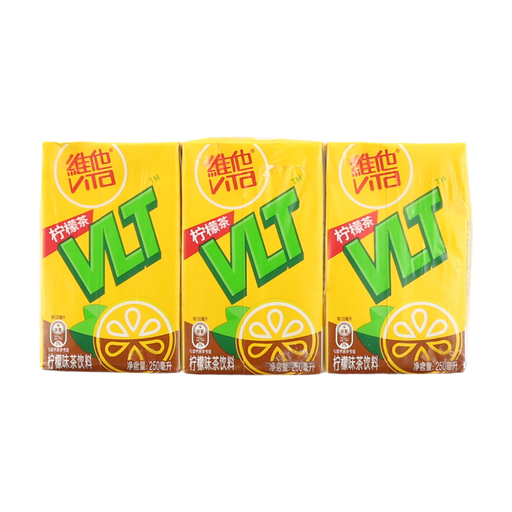
Why this fits the profile: Six 250 ml portions offer an easy way to try Hong Kong-style lemon tea without buying a large stock straight away.
The portion size is clear and the product information states 9 grams of sugar per 100 ml. This allows you to compare the drink with other lemon teas.
Black tea, lemon juice stated at a minimum of 1% and six individual 250 ml packs.
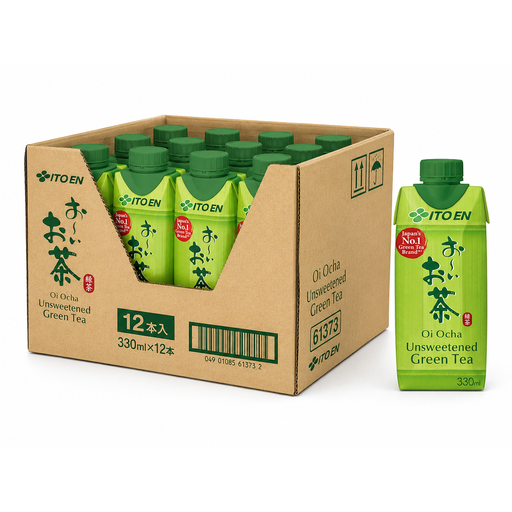
Why this fits the profile: For those looking for an unsweetened green tea with a clear Japanese style profile and a stock for daily use.
The product information states no added sugar, 0 kcal and 0 grams of sugar per 100 ml. This makes the choice verifiable rather than based on the front of the label.
330ml pack, green tea extract as a base and origin Japan according to the product information.
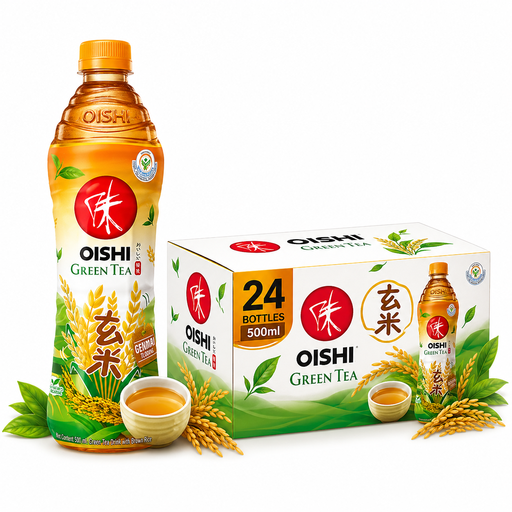
Why this fits the profile: The box of 24 x 500 ml bottles is practical for offices, families, cafés and other situations where tea is served regularly.
The volume and number of bottles are clear upfront. This way you know exactly how much stock you are buying and avoid an awkward mix of small packs.
Green tea with roasted rice, 500 ml per bottle and 24 per box according to the product information.
Prefer a fruity option? Naïsnow Peach Oolong Tea combines oolong tea with peach and apple juice; the product information states a minimum of 10% total fruit juice. For a floral profile, Yeo’s Chrysanthemum Tea and Drinho Chrysanthemum Tea are options in packs of six times 250 ml. If you are looking for a milder citrus drink, you can also check out Master Kong Lemon Tea or Vita Ceylon Lemon Tea.
We have put together a full, up-to-date list of products that fully meet these strict selection criteria and current European safety regulations.
No. The nutritional values vary by product. ITO EN Oi-Ocha states 0 grams of sugar per 100 ml, while lemon tea and fruity variants often contain sugar, fructose or syrup. So compare the table per 100 ml and per bottle.
Store unopened packs according to the label, usually in a cool place out of direct sunlight. Once opened, many products need to be kept chilled and consumed within the stated period. This timeframe differs by brand, so follow the pack instructions.
Green tea and genmai tea often have a light, roasted flavour profile. Black lemon tea suits those looking for a stronger, sweet-and-sour drink. Oolong with peach or grape is an option for those who want to combine tea and fruit flavour. The right choice mainly depends on your preferred sweetness, portion size and stock format.
