
Vandaag of morgen in huis

Kwaliteit gegarandeerd

Welkomstaanbiedingen ontgrendelen: GRATIS bezorging | Tot 80% korting | Gratis 30 dagen JoyPlus-proefperiode
Download de app
A bottle of iced tea seems like a simple purchase, until you have to choose between iced tea in cans, bottles or a large multipack. Would you prefer peach, lemon or green iced tea? Are you looking for a sugar-free option, sparkling iced tea or perhaps a tray for the office or hospitality industry? The packaging and marketing do not always tell the whole story.
So pay particular attention to these three common pitfalls:
Compare the nutritional values per 100 ml. This makes different pack sizes easier to compare. In the current range, the values vary considerably:
Also look out for the term “sugar-free”. According to the product description for Lipton Ice Tea Sparkling Zero, this variant contains no sugar. This reflects the product specification and is not a general statement about all zero iced teas. Always check the current label, as recipes and packaging may change.
Sparkling iced tea contains carbon dioxide and is often sold in cans. This can be ideal if you are looking for a lightly fizzy soft drink, for example for a party or to keep chilled in the fridge. Still iced tea is generally more suitable if you prefer a milder drink or are serving a large bottle with a meal.
Check the product description carefully. Lipton Ice Tea Sparkling is described as carbonated, while Lipton Ice Tea Lemon in bottles and cans is listed as non-carbonated. The name “ice tea” alone therefore does not tell you enough about the drink’s texture.
For individual use, 500 ml iced tea bottles are easy to take with you. A 1.5-litre bottle is better suited to a family, lunch or dinner party. For offices, hospitality venues and events, 330 ml iced tea cans are practical because you do not need to divide them into portions.
Use this simple comparison:
A multipack of 24 cans may seem large, but it can make financial and practical sense if several people drink iced tea every day. For occasional use, six small bottles or a single large bottle are often more sensible.
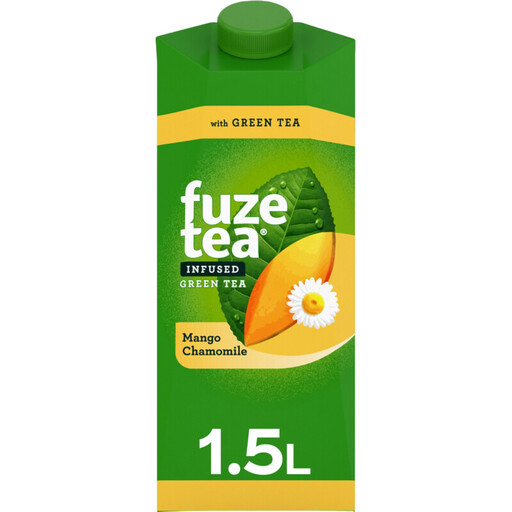
Why it suits this profile: The 1.5-litre bottle is ideal for sharing at home without having to buy several smaller packs. The flavour combines green tea, mango and a floral hint of chamomile.
The product information lists 19 kcal and 4.3 grams of sugar per 100 ml. This makes it immediately clear that “low calorie” does not mean sugar-free here.
1.5-litre capacity; green tea extracts; sweetened with sugar and steviol glycosides; serve chilled.
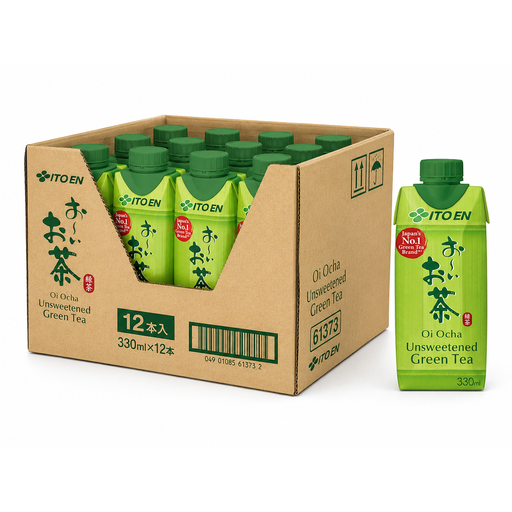
Why it suits this profile: This multipack is aimed at anyone looking for an unsweetened green iced tea with a simple ingredients list and a consistent can size.
The stated nutritional value is 0 kcal and 0 grams of sugar per 100 ml. You therefore do not need to rely solely on the word “green” on the packaging.
12 x 330 ml cans; no added sugar according to the product information; green tea extract as the main ingredient.
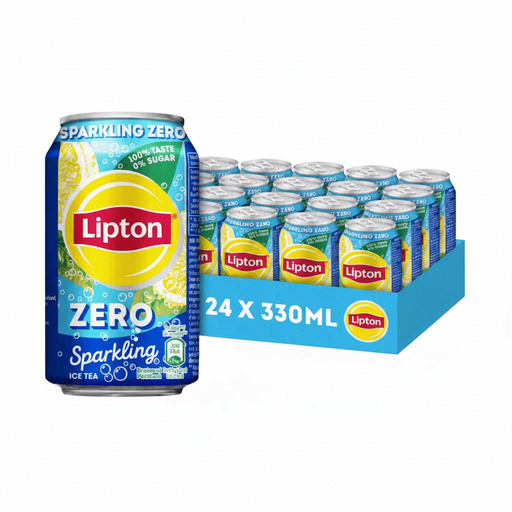
Why it suits this profile: A tray of 24 cans is ideal for offices, hospitality venues, sports clubs and events where individual chilled portions need to be readily available.
The specification states 0% sugar and a sparkling recipe. This makes the difference from still Lipton variants clearer when choosing.
24 x 330 ml cans; sugar-free variant according to the product description; serve chilled.
We have compiled a complete, up-to-date list of products that fully meet these strict selection criteria and the applicable European safety regulations.
Not every variant has the same nutritional value, but sugar-free iced tea generally contains few or no calories from sugar. Check the label for energy, carbohydrates, sugars and sweeteners used. “Zero” usually refers to the absence of sugar, not to a particular flavour or recipe.
A 1.5-litre bottle is practical for a meal or sharing. For drinking on the go, 500 ml bottles are easier to handle. Store an opened bottle in the fridge according to the packaging instructions and consume it within the stated period. This helps prevent a large bottle from being left open for too long.
Yes, a tray of 24 x 330 ml cans is easy to distribute and requires no pouring. Work out in advance how many people you expect and how much fridge space is available. For an event, combining a tray with a few larger bottles can be useful, allowing you to offer both individual portions and drinks for sharing.
