
Vandaag of morgen in huis

Kwaliteit gegarandeerd

Welkomstaanbiedingen ontgrendelen: GRATIS bezorging | Tot 80% korting | Gratis 30 dagen JoyPlus-proefperiode
Download de app
A simmering pot of fragrant broth at the center of the table, surrounded by platters of fresh ingredients. Hotpot, also known as Chinese fondue, is more than a meal; it's a social and flavourful experience. More and more people want to create this atmosphere at home. But a successful hotpot night hinges on having the right products.
However, organising a hotpot at home can be surprisingly tricky. The wrong choices can quickly lead to a disappointing meal. These are the most common pitfalls:
Fortunately, these problems are easy to prevent by knowing what to look for.
Before you fill your shopping basket, there are a few key points that make the difference between a mediocre and a fantastic hotpot at home.
The star of most hotpots is the meat. When you're buying hotpot meat, two factors are crucial: the thickness of the slices and the fat marbling.
The hotpot soup base defines the character of your meal. Broadly, there are two main types:
Read the ingredient list of a ready-made hotpot soup base to see if it's made from real spices and extracts, rather than primarily flavour enhancers.
A successful hotpot is an interplay of flavours and textures. Besides meat and soup, don't forget the following hotpot ingredients to assemble a complete hotpot kit:
To help you make a choice, we've matched a number of products to different needs and situations.
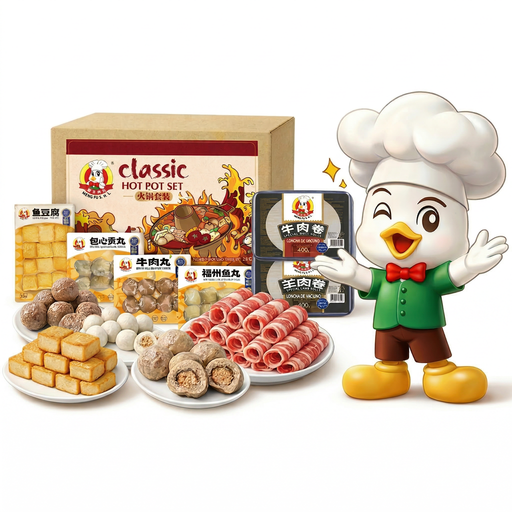
Why This Fits Their Persona: This package completely eliminates decision fatigue. It's ideal for anyone hosting a hotpot at home for the first time and wants to ensure the fundamentals are covered.
This complete hotpot kit prevents you from forgetting crucial components. It includes both beef and lamb, correctly sliced, plus a variety of classic meatballs.
Convenience and variety in one box. Contains 100% pure beef and lamb, and four different types of meatballs, from Fuzhou fish balls to filled pork balls.
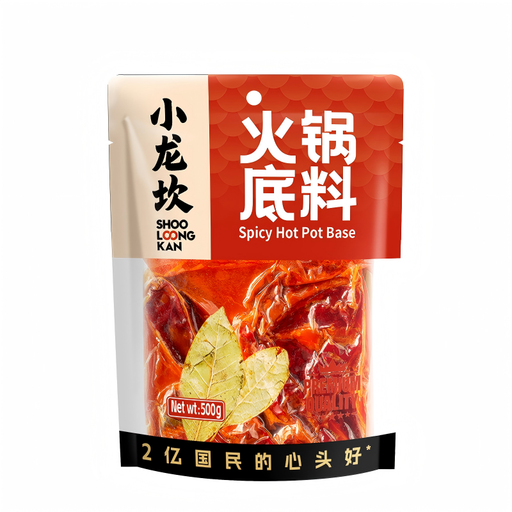
Why This Fits Their Persona: For the adventurer who wants to experience the intense, numbing spice of an authentic Sichuan hotpot. This is the flavour base from the renowned Xiao Long Kan restaurant chain from Chengdu.
This product avoids the pitfall of a bland, one-dimensional soup base. It's a complex 'oil brick' packed with spices that guarantees a deep and layered flavour.
Delivers an authentic restaurant-quality flavour at home. The base is made with premium oils and a rich blend of chilli and Sichuan pepper.
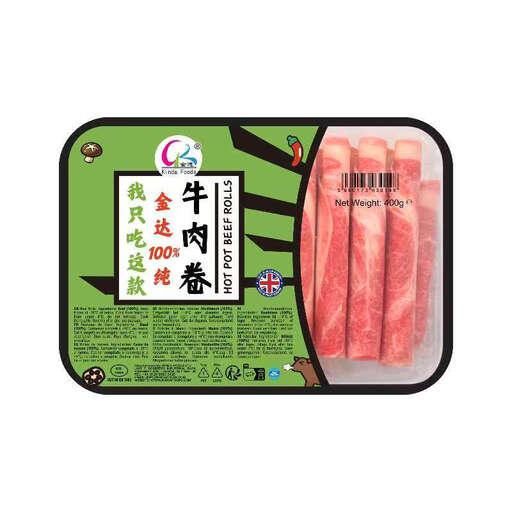
Why This Fits Their Persona: For the foodie whose top priority is the quality of the meat. This product focuses on one thing: high-quality beef, perfectly prepared for hotpot.
This prevents the disappointment of tough, incorrectly sliced meat. The slices are uniform and paper-thin, made from 100% British beef, ensuring they cook perfectly.
Consists of 100% beef with no additives. The slices are individually quick-frozen (IQF) to preserve freshness and texture.
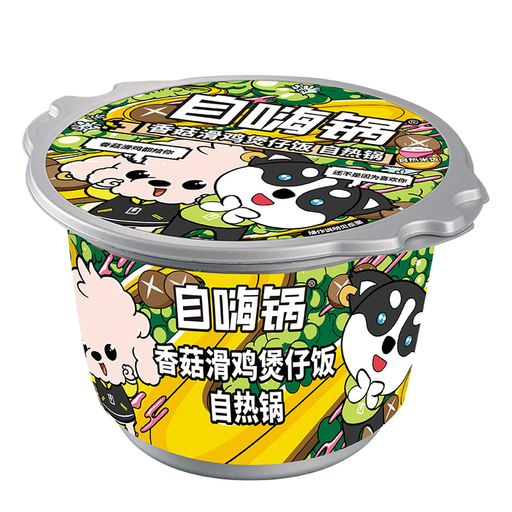
Why This Fits Their Persona: Perfect for students, busy professionals, or anyone wanting a hot, flavourful meal quickly and on their own. It offers the comfort of a hot pot without the preparation and cleanup.
This product solves the logistical problem of a full hotpot session for one person. No pots, pans, or stove required.
Extreme convenience. The built-in heating element warms up the meal in minutes, wherever you are. Just add cold water to the heating pack.
We've curated a complete, up-to-date list of products that fully meet these strict selection criteria.
Plan for about 150 to 200 grams of meat per person. If you're serving many other hotpot ingredients, such as fish balls, tofu, and a generous amount of vegetables, 150 grams per person is often sufficient. For big meat-eaters, you should aim for 200-250 grams.
You can, but the result is usually not optimal. Meat for hotpot at home is specifically sliced paper-thin, which is essential for it to cook quickly and remain tender. Standard steak or stewing meat is too thick and will quickly become tough in the hot broth. For an authentic experience, it's recommended to buy special hotpot meat.
Chinese fondue (hotpot) uses a hot, savoury broth as a cooking medium in which you cook raw ingredients like thinly sliced meat, seafood, and vegetables. Swiss cheese fondue uses a pot of melted cheese in which you dip pieces of bread and vegetables. The cooking method, ingredients, and flavours are therefore fundamentally different.
