
Livraison le jour même et le lendemain

Qualité garantie

Débloquez vos offres de bienvenue: Livraison GRATUITE | Jusqu'à -80 % | 30 jours d'essai gratuits à JoyPlus
Téléchargez l'application
Making Chinese hotpot at home sounds simple: pick a soup base, add your ingredients, and let everyone cook at the table. Yet the purchase often disappoints. A product might contain far fewer ingredients than expected, be too spicy for the group, or turn out unsuitable for someone with a food allergy.
If you’re looking to buy Chinese hotpot, it’s worth looking beyond just flavour or brand name. You should also check the preparation method, storage requirements, portion size and allergens. Below you’ll find practical points to consider, along with some popular choices for different situations.
Terms like Sichuan hotpot, mala tang and spicy hotpot don’t refer to a single, fixed level of heat. One base contains mainly chilli, while another combines chilli with Sichuan pepper for a numbing effect. A tomato base is generally milder, but can still be relatively high in sugar or salt.
So take a look at the ingredients list and nutritional values. The Shoo Loong Kan Tomato Hot Pot Base, for example, states 15g of salt per 100g. That doesn’t mean you use the whole pack per person, but diluting it with the recommended amount of water is important.
A hotpot meal kit may contain only a soup base, while other sets also include noodles, vegetables, tofu and meat or fish balls. Always check the net weight and number of portions.
A kit with frozen products also needs space in your freezer. Products like TOWORD Spicy Hot Pot and the Mengfu Hot Pot Set C must be stored at -18 °C or below according to the product information. A shelf-stable product for the cupboard is more practical if you have limited freezer space.
Chinese hotpot ingredients often contain soya, wheat, sesame, peanut, fish, egg or molluscs. This is especially true for broth bases, dipping sauces and hotpot meat and fish balls. Read the full allergen information on the product page before buying, and also check the label when it arrives.
A hotpot soup base largely determines the meal. Look out for the following:
If in doubt, add only part of the spice paste first. That way you can adjust the heat level at the table.
A classic hotpot requires a pan, a hob and separate ingredients. An instant version or self-heating hotpot works differently. With the Shoo Loong Kan self-heating vegetable hotpot, you place the ingredients in the inner tray, add water and activate the heating pack with water. According to the instructions, heating takes around 15 minutes.
Please note: the heating pack is not edible and can produce hot steam. Place the meal on a stable, heat-resistant surface and follow the instructions on the packaging.
Check whether ingredients are dried, chilled, frozen or shelf-stable. Dried tofu and tofu skin often need to be soaked first. Glass noodles and udon have their own cooking times. Meat and fish balls must be fully heated through; the Mengfu set recommends cooking for around 3 to 5 minutes.
When handling raw and cooked ingredients, it’s best to use separate utensils. This helps limit cross-contamination during a meal where everyone eats from the same pot.
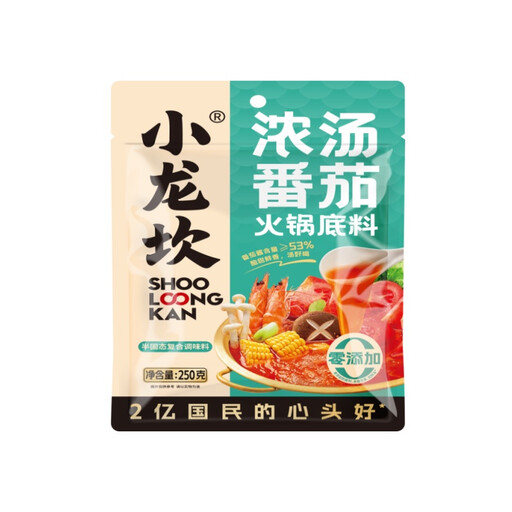
Why it fits this profile: The tomato flavour is an accessible starting point for a first hotpot meal and provides a non-spicy base for families or groups with different preferences.
The instructions recommend 1 to 1.5 litres of water or stock. This means you can build up the intensity in a controlled way, rather than using the base undiluted.
250g base; suitable for hotpot, noodle soup and stews; contains wheat.
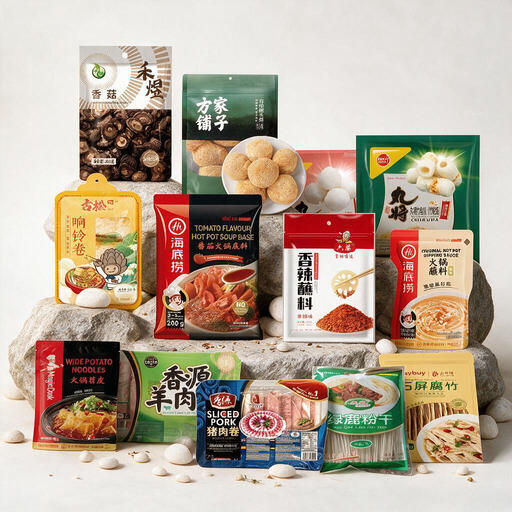
Why it fits this profile: This kit is designed for a multi-person dinner and combines a base, noodles, tofu, vegetables, sauces, lamb, pork and balls.
The contents are listed per component. So you can see in advance which sauces, proteins and starches are included, rather than relying on the term “complete set” alone.
Total net weight of 3568g; multiple sauces and ingredients; suitable for four people according to the product name.
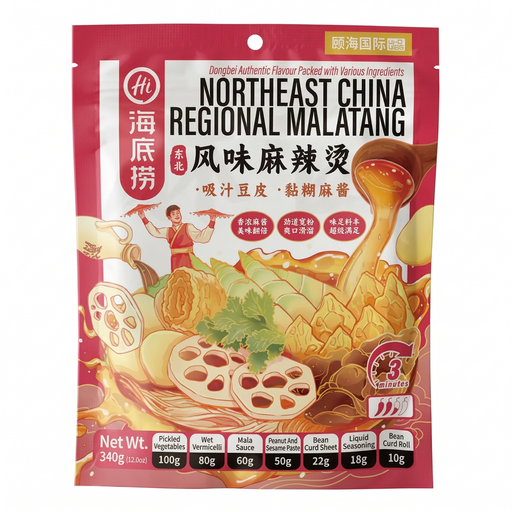
Why it fits this profile: The set combines noodles, tofu, mushroom, kelp and meat and fish balls with a spicy base – ideal for anyone who regularly puts together a substantial hotpot.
The product information explicitly lists the ingredients and allergens present. This allows you to supplement more precisely and take fish, soya and wheat allergies into account.
340g; multiple hotpot ingredients included; store in a cool, dry place.
We’ve put together a full, up-to-date list of products that fully meet these strict selection criteria and comply with current European safety regulations.
At a minimum, you’ll need a pan or electric hotpot, a soup base, water or stock, and ingredients. Think of Chinese cabbage, mushrooms, tofu, udon, glass noodles and meat or fish balls. A hotpot meal kit reduces the number of separate items you need to buy.
With hotpot, everyone cooks ingredients at the table in a shared pot of broth. Mala tang is usually prepared as a single bowl with vegetables, noodles and a spicy, numbing broth. Products with “buy malatang” in the title are therefore often individual meal sets rather than a large meal for a group.
The shelf life varies by product and is stated on the packaging. Unopened dry or shelf-stable bases are generally best stored in a cool, dry place. Once opened, you should follow the instructions; some products need to be refrigerated and used quickly. Frozen products should be stored at -18 °C or below and should not be refrozen after thawing.
