
Vandaag of morgen in huis

Kwaliteit gegarandeerd

Welkomstaanbiedingen ontgrendelen: GRATIS bezorging | Tot 80% korting | Gratis 30 dagen JoyPlus-proefperiode
Download de app
Dry hands are often caused by cold weather, frequent washing, cleaning products, or household and gardening tasks. Hand cream can help the skin feel more comfortable and supple, but not every formula suits every occasion. If you focus only on fragrance, packaging or a promise such as “24-hour hydration”, you may end up buying a product that feels too greasy, runs out quickly or simply does not feel pleasant enough.
Terms such as “intensive”, “repairing” or “anti-ageing” sound clear, but they do not always indicate how a product feels in practice. So check the ingredients, size and directions for use. According to NIVEA’s own information, for example, its 3-in-1 Q10 hand cream contains Q10, glycerine and UV filters. The stated benefits relating to fine lines and pigmentation should be viewed as a brand claim, rather than a guaranteed result for every user.
A fragranced hand cream may smell pleasant, but perfume and fragrance allergens can sometimes appear high on the ingredients list. Derlon Hand Cream with Shea Butter and Vitamin E, for example, contains perfume and several declared fragrance ingredients, including limonene, linalool and geraniol. This makes it a less obvious choice for anyone looking for fragrance-free hand care.
A rich cream may be suitable for rough hands in the evening, but less practical when you need to type, cycle or use a door handle straight afterwards. A hand lotion or fast-absorbing hand cream may be a better fit. Look for terms such as “gel”, “lotion”, “non-greasy” and “fast-absorbing”, but check the size too: a 30 ml tube is handy for carrying around, while 75 or 100 ml may be more suitable for everyday use at home.
A moisturising hand cream often contains ingredients such as glycerine, panthenol, oils, butters or silicones. Glycerine helps attract moisture, while shea butter and plant oils can give a cream a richer texture. Vitamin E, also listed as tocopherol or tocopheryl acetate, appears in various formulas, including those from Derlon, Sebamed and Dancoly.
When choosing a hand cream for dry hands, you can look for:
Ingredients cannot tell you exactly how your skin will react. Always check the current packaging, particularly if you have sensitive skin or known allergies.
Do not choose a natural hand cream or fragranced hand cream based on its name alone. “Natural” does not automatically mean that a formula will suit everyone. Weleda lists a Natrue label and a grapefruit and mandarin fragrance for its Sea Buckthorn hand cream. This may be appealing if you are looking for a fresh scent, but not if you want to avoid perfume.
If you prefer an unscented product, you could consider Dear, Klairs Daily Comfort Hand Cream. According to the product description, this hand cream is fragrance-free and the formula includes eight types of hyaluronic acid, panthenol, amino acids, shea butter and babassu oil. The manufacturer also states that the product is vegan and cruelty-free. However, check the most recent ingredients list when buying.
The size partly determines whether a product is suitable for home, the office or your bag.
When choosing a hand cream for cracked skin, regular use is particularly important. Apply a richer formula after washing your hands and, if needed, before going to bed. For painful, persistent or inflamed skin problems, a cosmetic product is not a substitute for medical advice.
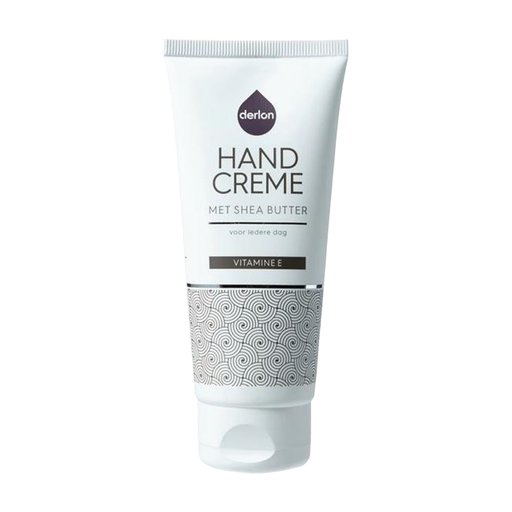
Why it suits this profile: This 100 ml hand cream is designed for everyday use and contains glycerine, shea butter, sunflower oil and vitamin E. The size is practical for use at home without immediately having to opt for a small travel format.
The product information lists specific ingredients and the size, so you are less reliant on general marketing terms. However, do check for perfume and declared fragrance ingredients.
100 ml; shea butter and vitamin E are listed among the ingredients; product of Dutch origin according to the product details.
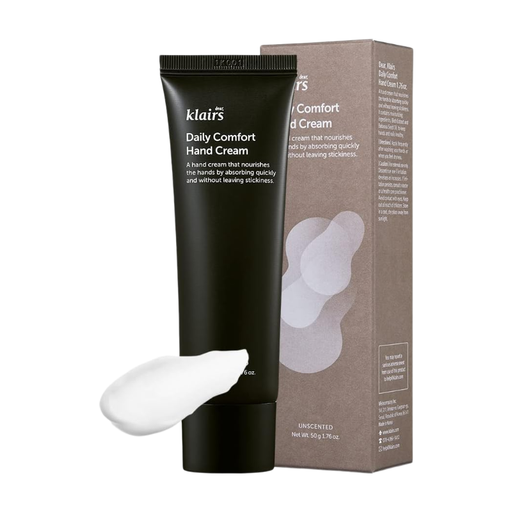
Why it suits this profile: The fragrance-free, fast-absorbing formula is intended for users who value comfort and a non-sticky finish. The 50 g size is well suited to use in the office or on the go.
The product description explicitly states that the cream is fragrance-free and fast-absorbing. This makes the choice clearer for anyone who wants to avoid fragrance and a greasy layer.
50 g; fragrance-free according to the product information; contains panthenol, shea butter and several forms of hyaluronic acid.
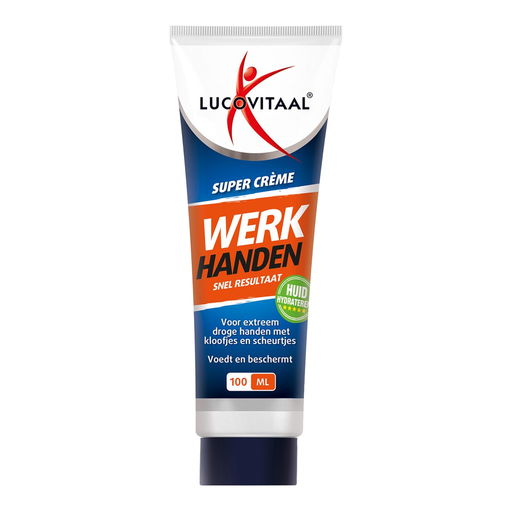
Why it suits this profile: According to the product description, this nourishing hand cream is intended for dry, rough hands after housework, gardening, DIY or industrial work. The 100 ml size is suitable for regular application.
The intended use is described clearly, rather than relying solely on a general moisturising claim. The formula includes shea butter, dimethicone, glycerine, macadamia oil and allantoin.
100 ml; intended for hard-working hands; paraben-free according to the product details. Contains soya, which is relevant if you have allergies.
We have put together a complete, up-to-date list of products that fully meet these strict selection criteria and the applicable European safety regulations.
Apply a small amount to clean hands, massaging it particularly into the knuckles, fingertips and cuticles. Reapply after washing your hands if your skin feels tight. A thicker layer may feel comforting overnight, while a gel or lotion may be more suitable during the day.
For every product, check the expiry date, the period after opening and the instructions on the packaging. L’Occitane Verbena Cooling Hand Cream Gel, for example, states a period after opening of 12 months. The exact information on the packaging always takes precedence.
Look for a formula containing glycerine, shea butter, panthenol, oils or a protective ingredient such as dimethicone. For very dry periods, a richer cream may feel more comfortable than a lightweight hand lotion. Apply regularly, particularly after contact with water and cleaning products.
This depends on your skin and daily activities. Many users apply hand cream after washing their hands, before going to bed and whenever their skin feels dry. If you wash your hands frequently, applying a smaller amount several times a day may be more practical than using one thick layer.
Hand cream is usually richer and often feels more nourishing. Hand lotion is generally more fluid and suitable for quick application, for example beside the washbasin. Always check the product description, as these terms are not used consistently by every brand.
