
Vandaag of morgen in huis

Kwaliteit gegarandeerd

Welkomstaanbiedingen ontgrendelen: GRATIS bezorging | Tot 80% korting | Gratis 30 dagen JoyPlus-proefperiode
Download de app
If you’re looking to buy hand cream, you’ll soon come across terms such as “intensive”, “natural”, “anti-ageing” and “24-hour hydration”. On their own, these words tell you little about the texture, ingredients or suitability for everyday use. The right choice depends mainly on how your skin feels, when you plan to use the cream and whether you have a fragrance preference.
A moisturising hand cream may feel pleasant, but that doesn’t automatically mean it’s suitable for very dry or rough hands. So, check the ingredients list. Glycerine, shea butter, plant oils and panthenol are often used in formulas that leave skin feeling supple. The order on the packaging gives you an indication of the quantity of each ingredient, but it can’t fully predict how your skin will react.
A fragranced hand cream can be pleasant to use, but perfume and fragrance ingredients may not suit everyone. Look out for ingredients such as parfum, limonene, linalool, geraniol and citronellol. If your skin often feels tight or irritated, it may be better to choose a fragrance-free formula or try a small amount first.
A 125 ml tube may seem like good value, but it’s less practical for a coat pocket or handbag. A compact 30 or 35 ml tube is easier to carry with you, but may cost more per millilitre. So compare the price per 100 ml, packaging and when you’ll use it, rather than looking only at the total price.
For everyday use, a light cream or gel can be handy after washing your hands or while working at a desk. A richer, nourishing hand cream is a better fit for rough hands, dry cuticles or use before bed. Also look out for descriptions such as “non-greasy”, “gel texture” and “absorbs quickly”. These are product descriptions, not a guarantee that it will suit every skin type.
If you’re specifically looking for a hand cream with shea butter, a natural hand cream or an anti-ageing hand cream, it’s worth checking the full INCI list and product information. “Natural” doesn’t automatically mean fragrance-free or suitable for every skin type.
A 75 to 125 ml pack is practical for home use. Smaller 30 to 50 ml packs are handy for taking with you. For cosmetics, always check the packaging for the expiry date, batch information and period after opening. Stop using a product if its smell, colour or texture changes noticeably.
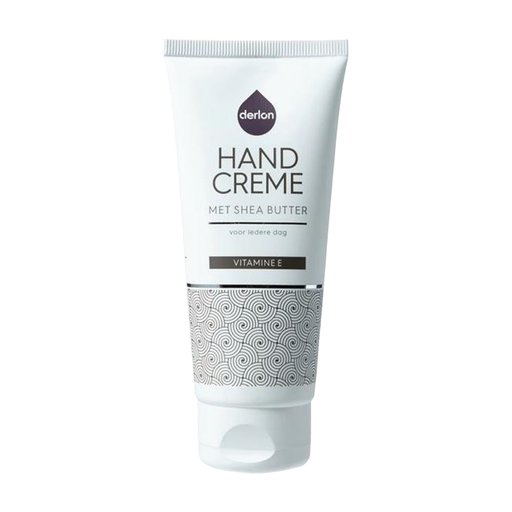
Why it suits this profile: The pack contains 100 ml, and the product description mentions everyday use, vitamins and shea butter. This makes it a straightforward choice if you’re looking for a hand cream to use at home, without complicated product claims.
The ingredients list is available, so you can check for perfume, fragrance ingredients and other components before buying.
100 ml; shea butter and vitamin E are listed in the product information; country of origin is the Netherlands.
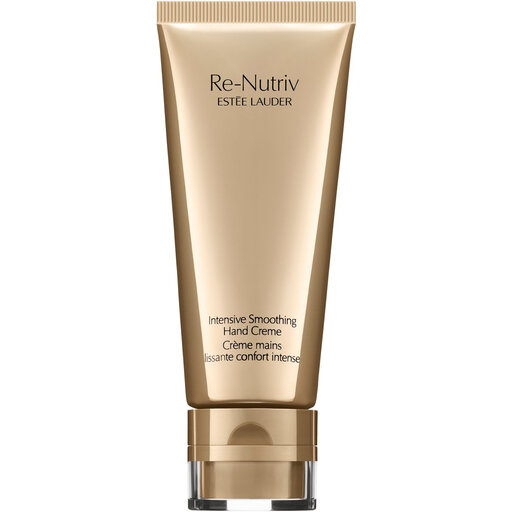
Why it suits this profile: The product description presents this as a luxurious, rich hand cream for dry hands. The 100 ml size makes it suitable for home use or as part of a more extensive skincare routine.
The choice is based on the stated size, brand and described rich texture, rather than on a general luxury claim alone.
100 ml; product information lists moisturising ingredients and says it leaves skin feeling smoother.
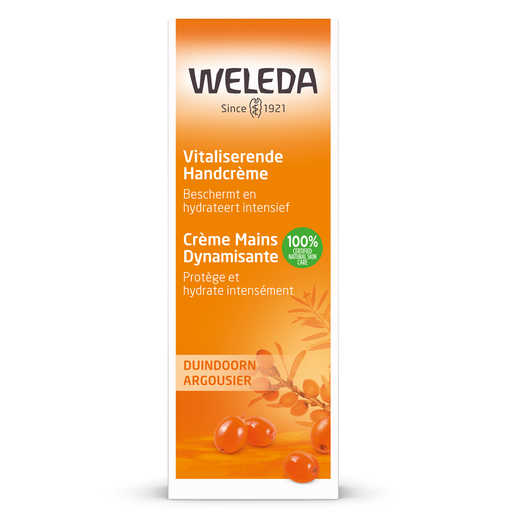
Why it suits this profile: This 50 ml hand cream is aimed at people looking for a light formula with sea buckthorn oil and a citrus fragrance. According to the product information, it absorbs quickly and is designed for rough, very dry hands.
The size and fragrance are clearly stated. If you want to avoid perfume, you can check the ingredients list before ordering.
50 ml size; sea buckthorn oil mentioned in the product description; grapefruit and mandarin fragrance according to the product information.
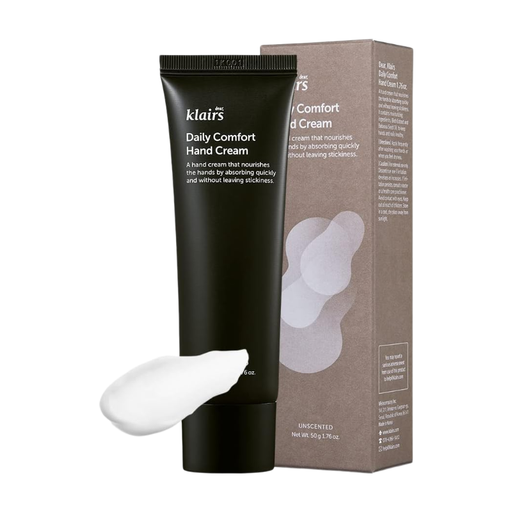
Why it suits this profile: The product information describes a fragrance-free, fast-absorbing formula with glycerine, panthenol, amino acids, shea butter and several forms of hyaluronic acid.
Its fragrance-free positioning means you don’t have to rely on fragrance claims alone; the full ingredients list is available for you to check.
50 g; fragrance-free according to the product description; vegan and cruelty-free according to the product information.
Apply a small amount after washing your hands, massaging it into your knuckles and cuticles too. If your hands are very dry, a richer, nourishing hand cream may feel more comfortable in the evening. A gel or lightweight formula is a better choice during the day if you want to get back to using a keyboard, phone or steering wheel straight away.
Stop using the product if irritation occurs and avoid contact with your eyes. If you have an allergy, always check the current ingredients list on the packaging.
We’ve put together a complete, up-to-date list of products that meet these strict selection criteria and the applicable European safety regulations.
Look for a formula with ingredients such as glycerine, shea butter, panthenol or plant oils. A rich cream is usually more suitable for dry-feeling skin than a lightweight gel. Also check for perfume and fragrance ingredients if you’re sensitive to them.
Use hand cream whenever your hands feel dry, for example after washing or cleaning. Many formulas can be used as needed, according to their product information. The right amount depends on the texture and how dry your hands are.
Not always. A small tube is practical for taking with you, but compare the price per 100 ml with a 75, 100 or 125 ml pack. This will help you see which option best suits your needs and budget.
