
Vandaag of morgen in huis

Kwaliteit gegarandeerd

Welkomstaanbiedingen ontgrendelen: GRATIS bezorging | Tot 80% korting | Gratis 30 dagen JoyPlus-proefperiode
Download de app
Dry hands can feel tight, rough or chapped. In winter, after frequent hand washing, or when doing housework and gardening, this discomfort often gets worse. A hand cream for dry hands can help your skin feel more comfortable, but not every formula suits every situation.
When comparing products, do not focus only on words such as “intensive”, “repairing” or “natural”. These terms alone reveal little about the formulation or how the product should be used. Pay particular attention to the ingredients list, texture, size and whether the product contains fragrance.
A fragranced hand cream may smell lovely, but fragrance is not essential for hydration. For sensitive skin, fragrance may actually be less suitable. Check the label for parfum and fragrance allergens such as limonene, linalool or geraniol.
If you are specifically looking for a fragrance-free hand cream, you could look at the ingredients in NEUTROGENA Norwegian Formula Hand Cream Fragrance-Free, for example. The stated formula includes glycerine and vitamin E, among other ingredients, but does not list parfum.
A natural hand cream is not automatically suitable for every skin type. Plant oils, honey and essential oils may also be less suitable for some people. Conversely, a synthetic ingredient does not automatically mean that a product is unsuitable.
Brands may use their own product claims, but do not present them as guaranteed results. According to Weleda’s product description, the Sea Buckthorn hand cream contains natural ingredients and has a Natrue label. Check the certification and current packaging yourself before buying.
A 125 ml tube may seem like good value, but a compact 35 or 50 ml tube can be more convenient for a handbag, desk or travel. For everyday use at home, 75 or 100 ml may be more practical. So compare the price per 100 ml, how often you use the product and how much you need each time.
A moisturising hand cream often contains ingredients such as:
The order of the ingredients provides a useful indication of their quantity: ingredients listed near the top are generally present in a higher concentration. This is not a guarantee of a particular result, but it can help you compare marketing language with the actual formulation.
Many people prefer a fast-absorbing hand cream during the day. This is useful if you want to type, drive or do housework straight afterwards. A richer intensive hand cream may be more comfortable in the evening or for very dry hands, but it may leave a caring layer that can be felt for longer.
Look out for terms such as gel, lotion, cream or balm. A gel-like formula is often lightweight, while shea butter, oils and richer ingredients usually create a more nourishing texture.
Choose your hand care according to the circumstances:
If irritation, swelling, pain or deep cuts persist, it is advisable to stop using the product and seek advice from a doctor or pharmacist. Cosmetic hand cream is not a medical treatment.
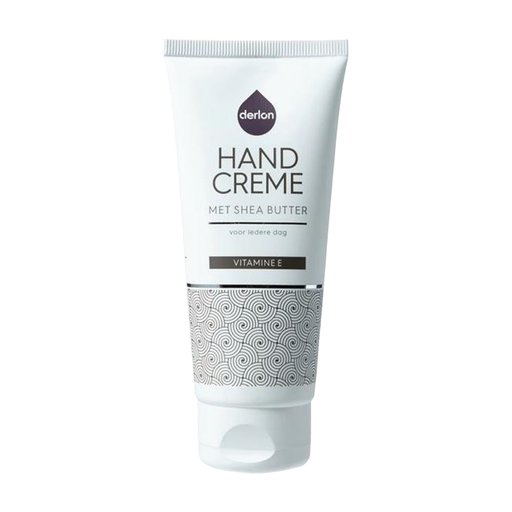
Why it suits this profile: A straightforward option for everyday use, with a 100 ml size and a formula listing shea butter, glycerine and vitamin E.
The full ingredients list is available, so you can check for parfum and listed fragrance allergens in advance.
100 ml size; shea butter and vitamin E are listed in the product information.
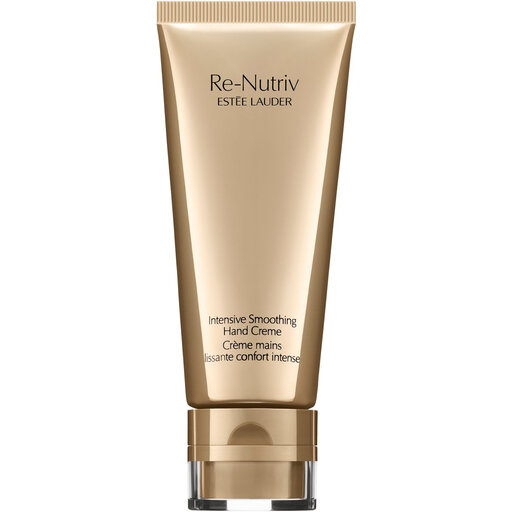
Why it suits this profile: The product description presents this 100 ml hand cream as a richer treatment with moisturising ingredients and a luxurious application experience.
The choice is based on the stated size and described formula, rather than solely on its luxurious appearance or marketing language.
100 ml size; described as an intensely nourishing and smoothing hand treatment.
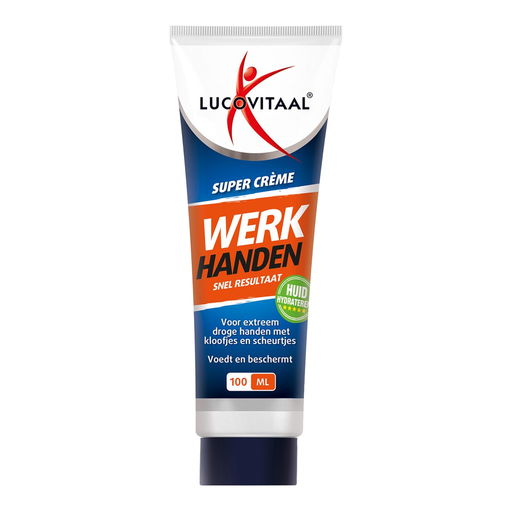
Why it suits this profile: The product information mentions housework, gardening, DIY and industrial work as suitable use cases.
The usage instructions recommend applying it daily and allowing it to absorb briefly, making it suitable for a regular care routine.
100 ml size; shea butter, glycerine, dimethicone and macadamia oil are listed in the ingredients.
Apply a hand cream for dry hands after washing and drying them, while the skin has not yet fully dried out. Massage extra product into your knuckles, fingertips and cuticles. At night, a nourishing hand cream with shea butter or oils may feel more comfortable than a lightweight gel.
Do not automatically use more product just because your skin is dry. A thin, even layer is often enough; for specific products, follow the usage instructions on the packaging. If you have sensitive skin, test a small amount on a limited area first.
If you want a fragrance-free option, you could also compare Lucovitaal Extremely Dry Irritated Skin Cream 50 ml, for example. The product information states that it has a fragrance-free formula containing glycerine, panthenol, allantoin, ceramide NP and hyaluronic acid, among other ingredients. Check for allergens such as milk, soya, wheat and egg if this is relevant to you.
We have put together a complete, up-to-date list of products that fully meet these strict selection criteria and the applicable European safety regulations.
That depends on your skin and your daily activities. Many people apply cream after washing their hands, before going to bed and whenever their skin feels tight. If you do intensive work, a regular morning and evening routine can be practical.
Start by looking for a simple formula and check whether it is fragrance-free. A fragrance-free hand cream such as the Neutrogena variant mentioned above may be worth considering, but individual skin reactions vary. Stop using it if irritation occurs and seek advice from a doctor or pharmacist if you experience recurring problems.
Check the expiry date and the period after opening shown on the packaging. Products may, for example, state that they remain usable for 12 months after opening, but this information varies by formula. Store the tube in a cool place away from direct sunlight and close the lid securely after use.
