
Vandaag of morgen in huis

Kwaliteit gegarandeerd

Welkomstaanbiedingen ontgrendelen: GRATIS bezorging | Tot 80% korting | Gratis 30 dagen JoyPlus-proefperiode
Download de app
A desk may seem simple to buy, until you factor in the space you have, your equipment and the way you work. A desktop that’s too small can quickly become impractical, a wobbly frame can be frustrating, and an electric model won’t always fit the space you’ve chosen.
This guide will help you choose a desk based on verifiable specifications. You’ll find key things to consider when choosing a computer desk, home office desk, study desk, gaming desk or sit-stand desk.
A modern desk with a slim design may look appealing, but that tells you little about its stability. Check the frame material, leg construction and whether it has adjustable feet. These can help compensate for small variations in your floor.
Also check the overall load capacity. A monitor arm, computer tower, printer and books can weigh more than you might expect. Use the stated maximum static load as a guide and don’t exceed it.
Width isn’t the only measurement that matters. Depth determines how much room you have for a monitor, keyboard and documents. A desk measuring 80 x 50 cm can be practical for a compact bedroom or student room. If you work with multiple screens, a desk that’s 140 or 160 cm wide is usually a better choice.
Measure the following in advance:
A 160 x 70 cm desk offers plenty of workspace, but it also needs enough clear floor space.
An electric height-adjustable desk makes it easier to alternate between sitting and standing. However, it won’t automatically solve every setup issue. Check the height range, maximum load, controls and the clearance needed above and behind the desktop.
Practical details matter with electric models, too. Don’t position the desk right against a wall while adjusting its height, and keep liquids away from the electrical components. Some models may temporarily activate a safety feature after being adjusted continuously for a long time. So read the instructions before assembly and use.
A compact computer desk may be enough for a small workspace. The 80 x 50 cm models in this selection have a stated height of around 75.5 to 76 cm and are designed for work, study or gaming. A corner desk makes better use of a corner and may offer extra storage.
An L-shaped desk is particularly useful if you use several devices or want a separate area for writing and screens. Check that both the longer and shorter sides will fit in your room. With a reversible design, you may be able to set it up to suit either the left or right side.
Consider the combination of material, frame and adjustable feet. Steel is often used for the frame, while the desktop is usually made from particleboard. The stated load capacity should suit your equipment. For example, one compact model in this selection has a stated maximum static load of 50 kg. The electric models have a stated load capacity of 70 kg.
A high load capacity doesn’t mean you should automatically load the desk to its maximum. Distribute heavy equipment evenly and don’t place a computer tower on a narrow edge.
A desk with drawers is useful for documents, accessories and small items. Open shelves provide quick access, but can look busier. Cable holes, an organiser or a hook are practical additions for a home office. A desk with USB-C can make it easier to charge a smartphone or other compatible device within easy reach. Check the details of the charging function, and use a suitable cable and adapter.
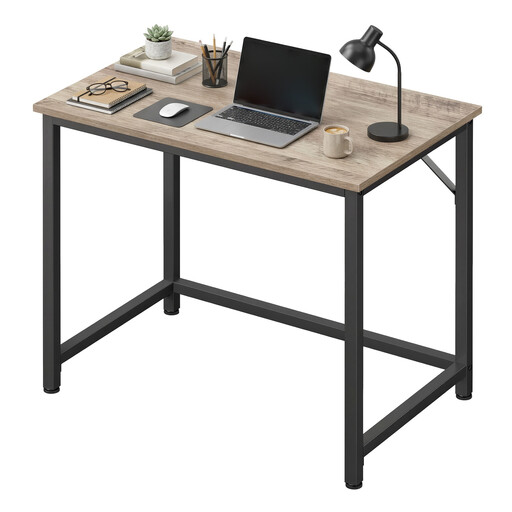
Why it suits this type of user: Its compact size makes this desk a good fit for a smaller bedroom, student room or workspace. Its stated load capacity is 50 kg.
The clear dimensions and stated maximum load make it easier to assess your space and equipment in advance.
80 x 50 x 75.5 cm, steel frame, adjustable feet and a stated load capacity of 50 kg.
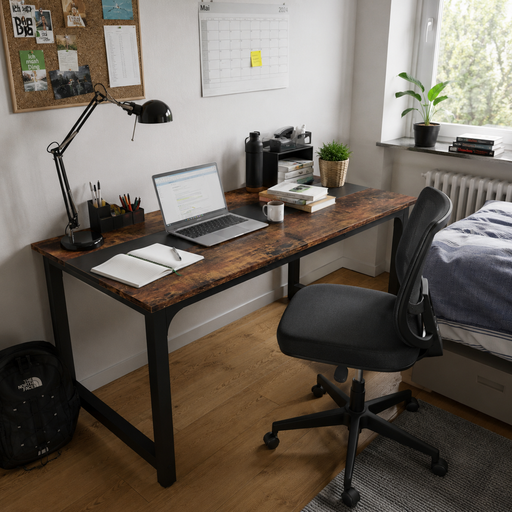
Why it suits this type of user: This spacious desktop is ideal for professionals, home offices and anyone using multiple monitors or a printer.
The dimensions, metal frame and adjustable feet are all clearly specified, rather than relying on a general claim about stability.
160 x 80 cm desktop, weighs 26 kg and has a manufacturer-stated load capacity of 400 kg.
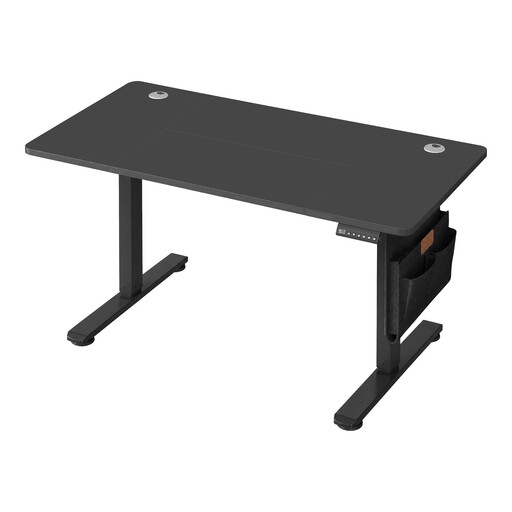
Why it suits this type of user: A home worker or professional who regularly alternates between sitting and standing gets a large desktop, memory settings and a USB-C connection.
The height range of 72 to 120 cm, 70 kg load capacity and safety instructions are all specified. This makes it easier to check that the desk will suit your space and equipment.
160 x 70 cm, memory function, USB-C port, two cable holes and a stated height range of 72–120 cm.
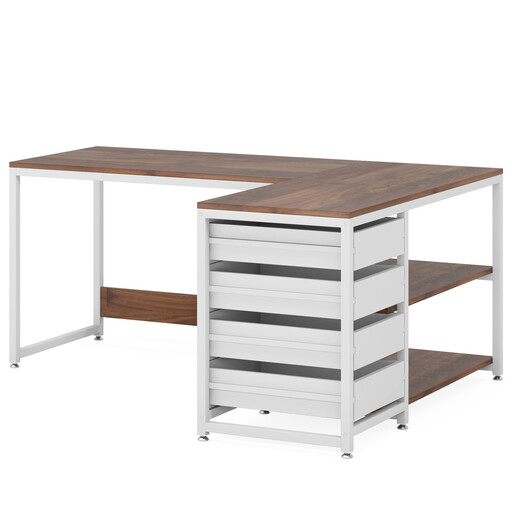
Why it suits this type of user: This corner desk combines two desktops with two open shelves and four drawers. According to the product description, the drawers can be fitted on either the left or right.
The reversible layout works with different room configurations. Adjustable feet help prevent wobbling on an uneven floor.
Dimensions of 150 x 110 x 75 cm, four drawers, two shelves and a reversible L-shaped design.
We’ve put together a complete, up-to-date list of products that meet these strict selection criteria and the applicable European safety regulations.
It depends on your equipment. A desk measuring 80 x 50 cm may be enough for a laptop and one screen. If you use multiple screens, a keyboard, documents and accessories, a width of 140 to 160 cm is more practical. Check the depth, too: 60 to 80 cm gives you more room for your monitor and keyboard.
A sit-stand desk is most useful if you want to adjust the height regularly. Compare the height range, maximum load, frame stability and controls. A memory function and cable management can make everyday use easier, but they’re no substitute for a properly set-up workspace.
Its lifespan depends on the materials, assembly, load and how you use it. Tighten the fixings after assembly, don’t exceed the stated load capacity and move an electric desk according to the instructions. Protect the desktop from moisture and make sure cables or other objects don’t block the adjustment mechanism.
