
Same-day & Next-day Delivery

Quality Guaranteed

Unlock Your Welcome Offers: FREE Delivery | Up to 80% OFF | Free 30-day JoyPlus trial
Download the APP
Chinese rice porridge comes in more forms than just the sweet tinned variety. In British shops and online stores, you’ll find congee, eight-treasure porridge, instant rice porridge in cups and sachets, and ready-to-eat porridge with grains, red beans, lotus seed or black rice. The main differences lie in flavour, preparation, portion size and ingredients.
If you buy without comparing, though, you’re likely to run into a few predictable pitfalls.
Terms like “eight-treasure porridge” or “congee” refer to a style or recipe, but they don’t guarantee that every product contains the same ingredients. Always check the ingredients list. One variety might contain glutinous rice, red beans, longan, lotus seed, peanuts or multiple grains.
Ready-to-eat porridge in a tin can usually be eaten straight away, either cold or heated. With instant porridge cups or sachets, you’ll often need to add boiling water and wait a few minutes. That difference matters if you’re looking for a speedy breakfast at the office, on the go or while travelling.
A seafood variety may contain dried prawns, fish, milk, soya, wheat or celery. Even sweet rice porridge with grains can contain gluten and peanuts. So always read the allergen information on the product page and on the packaging. With imported products, recipes and labelling can vary from pack to pack.
First, look at the full ingredients list, not just the product name. With the WaHaHa Longan & Lotus Seed Eight-Treasure Porridge, the solid content includes glutinous rice, barley, red beans, peanuts, longan and lotus seed. According to the information provided, this product contains gluten from barley and peanuts.
With savoury rice porridge, the source of flavour is just as important. The MAMA Seafood Cup contains dehydrated rice flakes, dried prawns and fish. Milk, soya, wheat, barley and celery are also listed as allergens. This makes the porridge less suitable if you need to avoid certain ingredients.
A 280g to 360g tin is intended as a larger single serving or a light meal. An instant 45g cup is more compact and only needs boiling water. 50g sachets are handy to take with you, but they offer a different texture and portion size from slowly cooked congee.
Also check:
Compare nutritional values per 100g, especially energy, carbohydrates, sugars, fat and salt. Sweet rice porridge often contains sugar or syrup, while savoury varieties may contain flavourings and salt. Products with multiple grains aren’t automatically suitable for every diet: always check the allergens.
Store unopened tins and sachets according to the instructions, usually in a cool, dry place. An opened tin should generally be eaten straight away or within the stated period, and kept refrigerated. For reheating, use a pan or a microwave-safe bowl if the packaging recommends it.
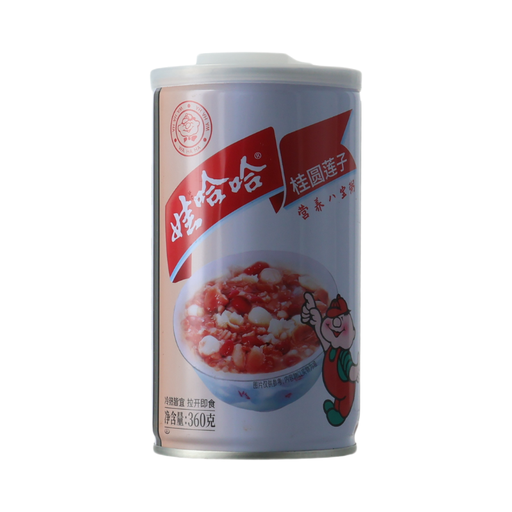
Why this fits the profile: A ready-to-eat sweet rice porridge in a tin that you can eat straight away or heat briefly. Ideal for getting to know eight-treasure porridge without any extra cooking steps.
The product information clearly lists the ingredients, allergens, 360g portion and straightforward preparation method.
Longan and lotus seed are listed as quantities; suitable for eating cold or heating.
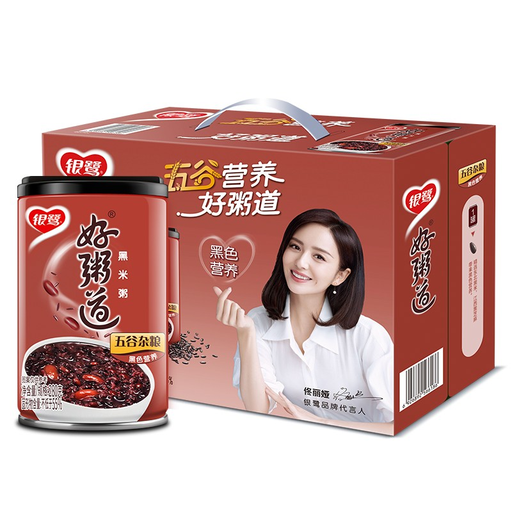
Why this fits the profile: A multipack for fans of black rice, grains and a store cupboard stocked with ready-to-eat Asian rice porridge.
The composition lists 15% black glutinous rice, plus grains and pulses. Gluten and sesame are listed as allergens.
Twelve 280g tins; ready to eat and, according to the product information, with a 24-month shelf life from the date of production.
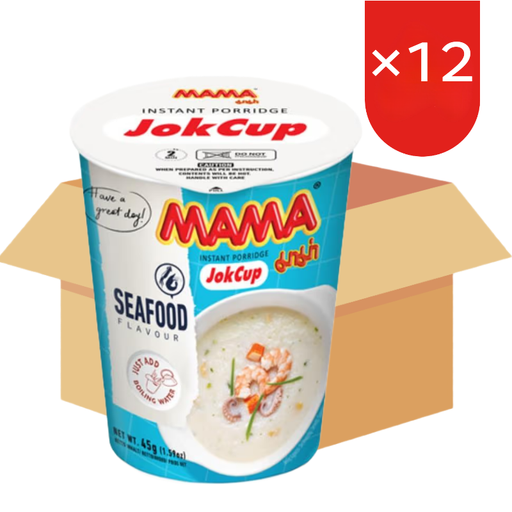
Why this fits the profile: Handy for the office, students, travel and moments when you only have a kettle and a few minutes to spare.
The preparation steps specify a water level and a waiting time of around one to two minutes. The allergen list is clearly stated.
Twelve individual 45g cups; seafood flavour with dried prawns and fish according to the ingredients list.
We’ve put together a full, up-to-date list of products that fully meet these strict selection criteria and comply with current European safety regulations.
Congee is usually a soft rice porridge that’s traditionally cooked for longer. Instant rice porridge is industrially prepared and designed for quick preparation with boiling water. Ready-to-eat congee from a tin can be eaten straight away, whereas a cup or sachet often needs to steep.
Always follow the instructions on the packaging. Many products need to be refrigerated after opening and eaten within 24 hours to two days. Don’t leave the porridge at room temperature for long, and store any leftovers in a non-metallic, sealed container if recommended.
Both varieties are common. Sweet rice porridge may contain sugar, longan, lotus seed, coconut or red beans, for example. Savoury rice porridge can include flavours such as seafood, fish or pork. Check the ingredients and nutritional values if you’re looking for a specific taste or composition.
