
Vandaag of morgen in huis

Kwaliteit gegarandeerd

Welkomstaanbiedingen ontgrendelen: GRATIS bezorging | Tot 80% korting | Gratis 30 dagen JoyPlus-proefperiode
Download de app
Chinese instant porridge is handy for a quick breakfast, snack or light meal. However, products vary considerably in flavour, texture, portion size and preparation. If you choose based only on attractive packaging or claims such as “multigrain”, you could end up with a product that is too sweet, contains allergens or is less suitable for everyday use than you expected.
In this buying guide, we explain what to look for in Chinese congee, ready-to-eat porridge, instant rice porridge and Chinese eight-treasure porridge.
Seeing more grains, beans and seeds on the front of the pack may sound appealing, but always check the order of the ingredients. Ingredients are generally listed in descending order by weight. Also look out for added sugar, sweeteners, flavourings and thickening agents.
Some varieties are based mainly on rice and water, while others contain more beans, oats, sweet potato or lotus seeds. This affects the texture and flavour.
Canned rice porridge is usually ready to eat. Instant porridge in a sachet often needs to be mixed with hot water. With some powders, you need to add cold water first to prevent lumps, then add boiling water.
So check the preparation instructions. For the office or when you’re on the go, a portion cup with a short preparation time is handy. For home use, a larger pack of individual sachets may be better value.
Many Asian porridge products contain gluten, peanuts, sesame, milk, soya, fish or shellfish. This also applies to products that appear to be made mainly from rice.
Before buying, check the full allergen information on the product page, then check the label again when your order arrives. The packaging takes precedence if the ingredients or nutritional values have changed.
First, decide what type of porridge you’re looking for:
Check that the ingredients you’re looking for are actually listed on the label, rather than appearing only in the product name or image.
Cans weighing between 280 and 360 grams are intended as one generous portion or as part of a meal. A box of 12 cans is handy for stocking up, but less suitable if you want to try a flavour first.
Sachets offer more flexibility. For example, BEIFANG Black Sesame Porridge contains 18 individual portions in a 560-gram pack. This makes it easy to measure out a serving and helps reduce waste after opening.
Compare the nutritional information per 100 grams, not just per pack. Check the energy, carbohydrates, sugars, fat, protein and salt. Products containing sweeteners aren’t automatically sugar-free or suitable for everyone’s preferences.
Wahaha Xylitol-Enhanced Nutritious Eight-Treasure Congee also carries a warning that excessive consumption of xylitol may have a laxative effect. Read this kind of usage information before buying a larger pack.
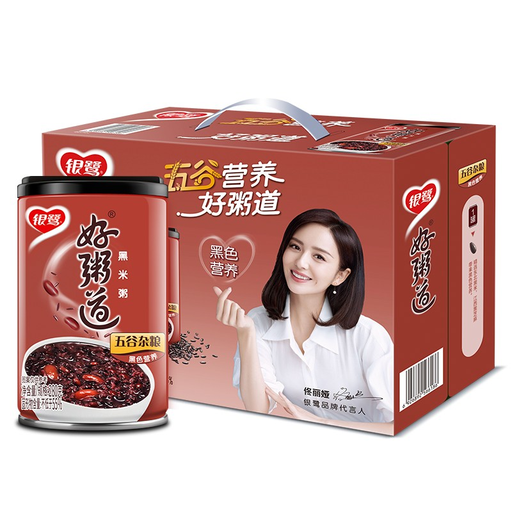
Why it suits this type of buyer: A box of 12 cans for anyone who wants to try Chinese instant porridge without fuss, then enjoy it regularly. The porridge can be eaten straight from the can or heated.
The product specifications list 15% black glutinous rice, along with several grains and pulses. Be sure to check the listed gluten and sesame allergens.
280 grams per can, 12 cans per box and no need to prepare with hot water.
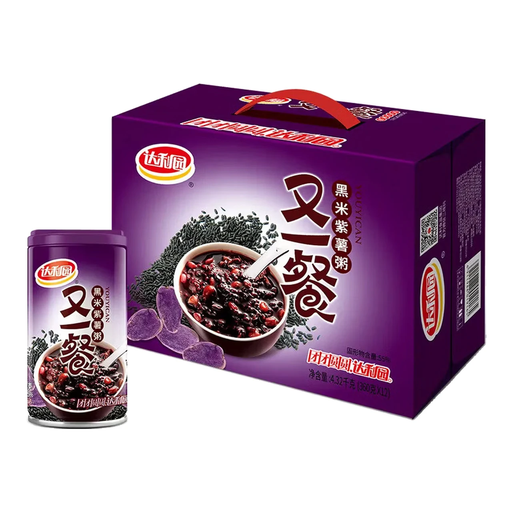
Why it suits this type of buyer: For anyone looking for a distinctive purple rice porridge with a variety of grains and seeds, rather than a simple rice base.
The ingredients list includes black rice, purple sweet potato, buckwheat, red beans, peanuts and sesame. This lets you check the flavour profile and allergens in advance.
360 grams per can, 12 cans per box and suitable for eating hot or cold.
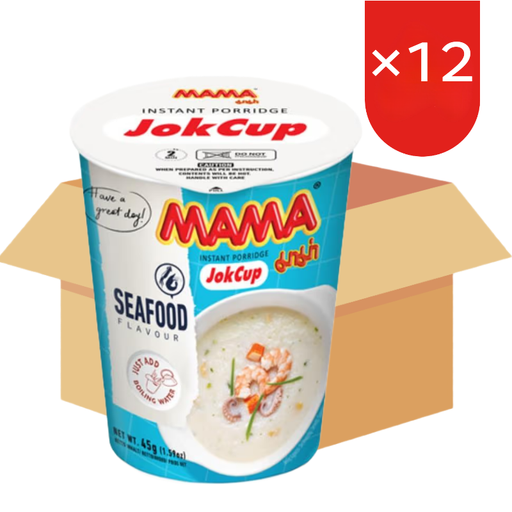
Why it suits this type of buyer: Handy for the office, travelling or a quick savoury meal. Prepare the portion cup with boiling water; according to the product information, it takes around two minutes.
The packaging makes it clear that this isn’t a sweet breakfast porridge, but seafood congee with dried prawns and fish. Check the allergens carefully.
45 grams per cup, prepared with hot water, with a savoury flavour profile of rice flakes and seafood seasoning.
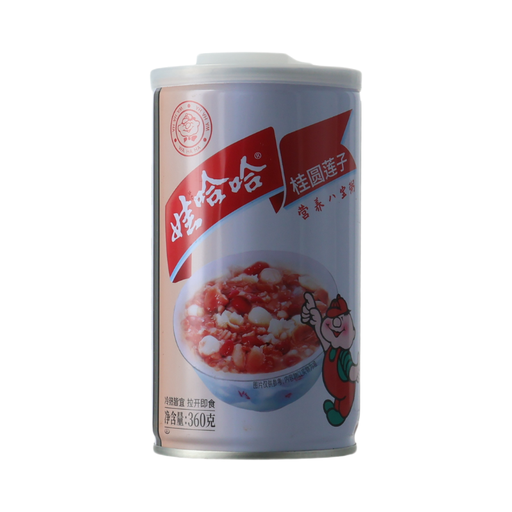
Why it suits this type of buyer: A ready-to-eat sweet porridge with longan, lotus seeds, red beans and glutinous rice. Enjoy it for breakfast, as a dessert or as a snack.
The product specifications list the fixed contents, ingredients and allergens. It’s ready to eat and can be served hot or cold.
360 grams per can, a classic eight-treasure blend, and the choice to serve it hot or cold.
We’ve put together a complete, up-to-date list of products that meet these strict selection criteria and the applicable European safety regulations.
First, check whether it comes in a can, cup or powder form. Canned porridge can usually be eaten straight away or gently heated after you’ve poured it into a pan or microwave-safe bowl. For powder, add the amount of water stated on the packaging. For the right texture, use the recommended temperature and leave it to stand for the stated time.
Unopened cans and sachets often have a long shelf life when stored in a cool, dry place. The exact date is shown on the packaging. Once opened, eat the porridge straight away or refrigerate it according to the instructions. Don’t use a can that is bulging, leaking or damaged.
That depends on the ingredients and your diet. Compare the sugar, salt, portion size and variety of grains. Sweet rice porridge or multigrain porridge can be part of breakfast, but the product information isn’t personal dietary advice. Most importantly, choose a variety whose flavour, allergens and preparation method suit your needs.
