
Livraison le jour même et le lendemain

Qualité garantie

Débloquez vos offres de bienvenue: Livraison GRATUITE | Jusqu'à -80 % | 30 jours d'essai gratuits à JoyPlus
Téléchargez l'application
Canned meat is handy for a quick meal, your store cupboard, a camping trip or an emergency food supply. Yet, tinned meat products often seem more alike than they actually are. The difference isn't just in the price — it's also in the meat content, the preparation method, allergens, and whether it fits your diet.
Watch out for these three common pitfalls:
For a straightforward comparison, start by looking at the meat percentage. Exeter Halal Corned Beef contains 93.5% cooked beef and 3% beef according to the product information. That's a different type of product from a ready-to-eat meat meal with sauce.
With stews and goulash, the meat content is usually lower because the tin also contains stock, vegetables, herbs and thickeners. For example, g'woon Beef Stew lists 19% beef and Unox Hungarian Goulash lists 27% beef. This makes these products particularly suitable as a complete base for a meal with rice, potatoes, bread or pasta.
Also pay attention to ingredients that matter to you, such as:
A product name can be misleading if you don't also read the ingredients list.
If you're specifically looking for halal corned beef, don't rely solely on the word "beef". The Exeter 340g Halal Corned Beef is listed as a halal beef product in the product information. The ingredients mention cooked beef, beef, salt, sugar and sodium nitrite.
For other canned meats, halal suitability cannot be inferred from the name alone. Always check the current packaging and product page. Also look at the type of meat. Coertjens Beef Stew contains horse meat according to the listed ingredients, so it is not a beef stew, despite the product name on the shop page.
A 340g to 425g tin is practical for one generous portion or to share with a side dish. A 400g tin of goulash or ragout can be suitable for a quick meal with bread, rice or potatoes.
When checking the nutritional values, pay particular attention to:
Check the preparation instructions. Many products need to be heated in a pan or microwave-safe dish after being removed from the tin. A sealed tin should never go in the microwave. For Unox Hungarian Goulash, for example, it states that the product must be thoroughly heated and should not be microwaved in its packaging.
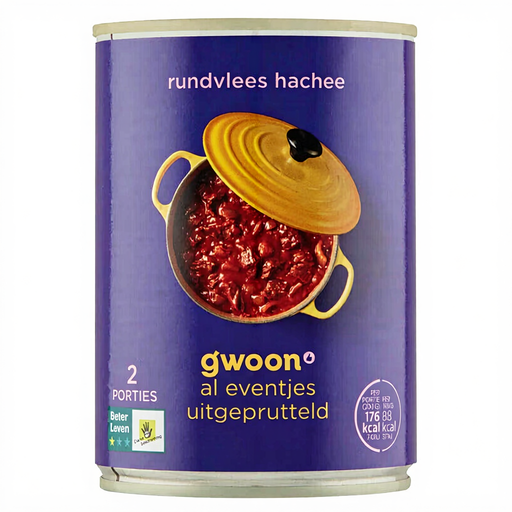
Why this fits the profile: An accessible ready-to-eat meat meal with 400g contents, suitable for a simple meal with mashed potato, rice or chips.
The meat percentage is clearly stated: 19% beef. This makes it clear that it's a stew with sauce, not pure beef.
400g contents, can be prepared in a pan or microwave, and clear allergen information including wheat/gluten.
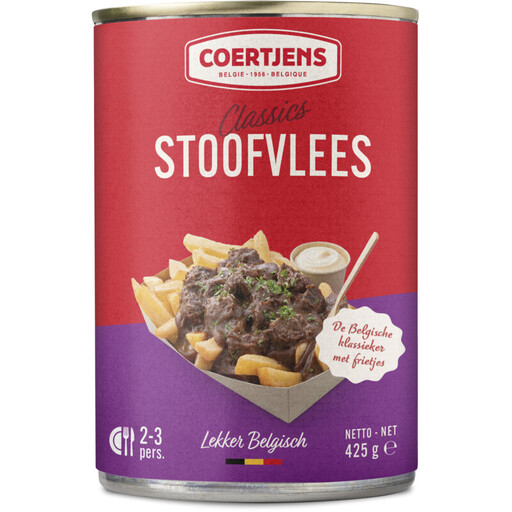
Why this fits the profile: A larger portion for those who want a hearty stew and value clear information about contents, preparation and storage.
The ingredients list horse meat as the base. This prevents you from mistakenly expecting beef based on the name.
425g contents, 13.7g protein per 100g according to the product information, and requires refrigeration after opening.
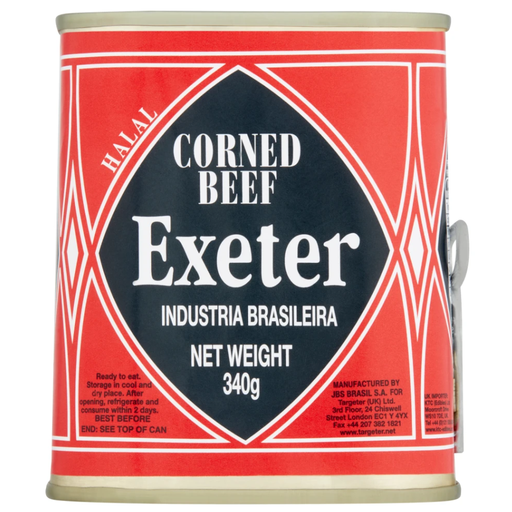
Why this fits the profile: Aimed at shoppers looking for halal beef for sandwiches, hot meals or the store cupboard.
The product information explicitly states halal and lists the ingredients. Always check the current label before purchasing.
340g contents, 93.5% cooked beef according to the ingredients list, and none of the 14 major EU allergens listed.
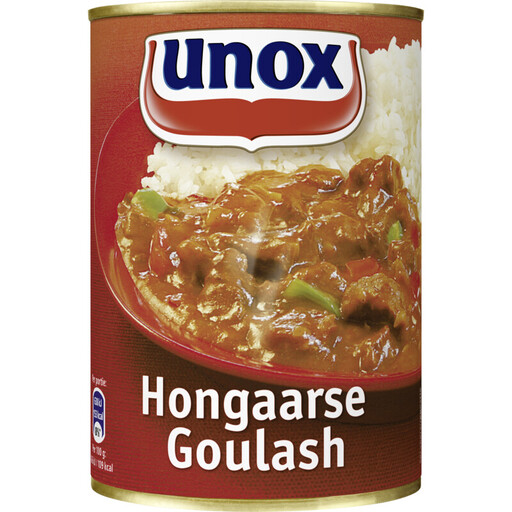
Why this fits the profile: A quick-to-prepare meal for those who want to combine goulash with rice, potatoes or bread.
The product information states 27% beef and gives clear instructions for pan and microwave. This way you know what you're buying and how to heat it safely.
420g contents, 6.2g protein per 100g according to the product information, and suitable as a base for several side dishes.
We've put together a full, up-to-date list of products that fully meet these strict selection criteria and comply with current European safety regulations.
The best-before date is printed on the tin or packaging. Store unopened canned meat in a cool, dry place away from direct sunlight. Do not use a tin if it is bulging, leaking, heavily dented or showing signs of rust. Once opened, the product should be kept in the fridge and you should follow the instructions on the label.
Some products are labelled as ready to eat, but many stews, ragouts and goulash are best thoroughly heated first. Empty the contents into a pan or microwave-safe dish. Do not heat a sealed tin in the microwave and always check the preparation instructions.
Yes, a long-life meat meal can be practical as part of a store cupboard. Choose different varieties, such as canned beef, canned goulash and canned ragout. Check the best-before dates regularly, also store water and side dishes, and use older tins first.
