
Same-day & Next-day Delivery

Quality Guaranteed

Unlock Your Welcome Offers: FREE Delivery | Up to 80% OFF | Free 30-day JoyPlus trial
Download the APP
A cupboard stocked with ready meals in tins can be useful for busy working days, students, campers and households that like to keep long-life products to hand. However, not every product is a complete meal, and a large pack does not automatically indicate anything about its contents or suitability for your needs.
Pay particular attention to three common pitfalls:
For tinned fish, the difference between total weight and drained weight is important. Water, oil or sauce counts towards the total weight, but not the solid contents. For tuna in water, it is therefore better to check the drained weight and the nutritional values per 100 grams of drained product.
The number of servings is also relevant for ready meals. According to the product information, a 570 ml meal soup can provide two bowls. A 420-gram tin, such as goulash, is more likely to be a base for a meal with rice, potatoes or bread than a complete dinner in its own right.
Do not look only at calories. Also check:
A product with a short ingredients list may be easy to understand, but that does not automatically mean it is suitable for everyone. According to the product information, Princess Tuna Fillet In Water contains skipjack tuna, water and salt, and provides 23.5 grams of protein per 100 grams. However, the product does contain fish, which is an allergen.
Prepared meals with several ingredients may require more careful checking. Unox Hearty Brown Bean Soup contains, among other things, brown beans, smoked sausage and vegetables, but also lists allergens such as celery, gluten, mustard and milk. Always read the current packaging, as product information online may change.
Tinned goods and pouches should generally be stored in a cool, dry place, away from direct sunlight and heat or moisture. Do not use a product if its packaging is damaged, for example if there is a dent near the seal, leakage or a bulging tin.
Different rules apply once a product has been opened. Store leftovers in the fridge according to the label and observe the stated storage period. Do not heat a tinned meal directly in the microwave. Transfer the contents to a microwave-safe dish first. The same applies to soup in a pouch: follow the preparation instructions and stir during heating when indicated.
The selection below is based on verifiable product details such as contents, ingredients, allergens, packaging and preparation method. The products are clearly different in how they can be used: from a quick Indian meal to tuna, soup and tinned meat.
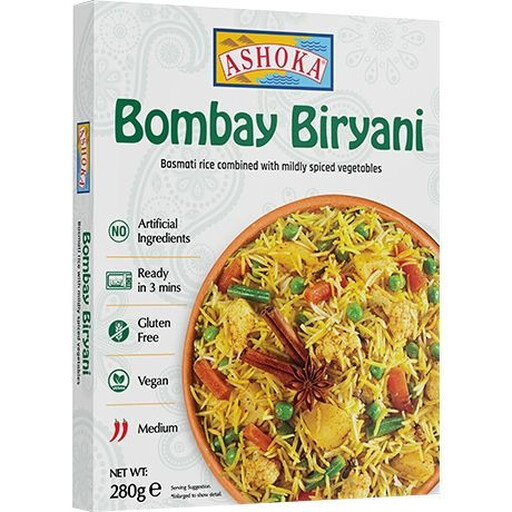
Why it suits this profile: This vegetarian ready meal combines basmati rice and vegetables in a 280-gram pack. Simply heat it up and enjoy it for lunch, dinner or on the go.
The product information lists the contents, ingredients and nutritional values per 100 grams. This allows you to compare the meal without relying solely on terms such as “authentic” or “ready-to-eat”.
280 grams; with basmati rice and 18% mixed vegetables according to the product information; suitable for vegetarians and vegans according to the stated description.
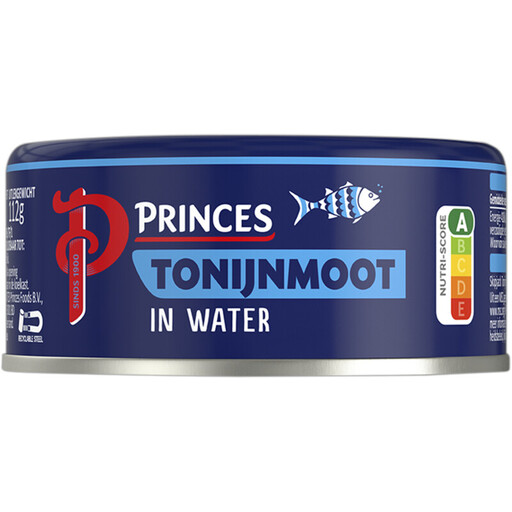
Why it suits this profile: Tuna in water is ready to use in salads, sandwiches, pasta and hot dishes. The product information states that it is MSC-certified and has a simple composition.
The ingredients list names skipjack tuna, water and salt. When the product arrives, check the label and drained weight, as water contributes to the total weight.
160 grams; 23.5 grams of protein per 100 grams according to the stated nutritional values; suitable for cold and hot dishes; MSC-certified according to the product information.
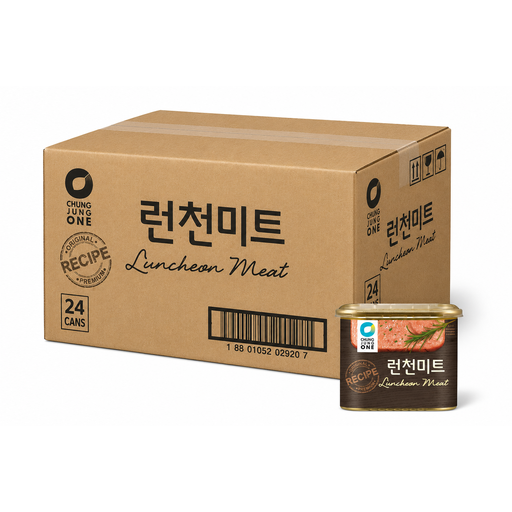
Why it suits this profile: This multipack is aimed at households, campers and people who want to build up a larger stock of tinned meat. According to the description, the meat can be eaten cold or heated.
The pack size and serving size are clearly stated. Before buying, check the total quantity, storage space required and ingredients, including salt and preservatives.
24 tins of 340 grams; can be used in sandwiches, stir-fries, with rice or noodles; suitable for storing, picnics and camping according to the product description.
We have put together a complete, up-to-date list of products that fully meet these strict selection criteria and the applicable European safety regulations.
For fans of an Indian meal, Ashoka Bombay Pav Bhaji and Ashoka Bombay Biryani are practical options. According to the product description, the Pav Bhaji consists of puréed vegetables in tomato sauce with spices and contains milk and butter. The Biryani contains basmati rice, vegetables and spices, and is described as suitable for vegetarians and vegans.
If you would like to try a Korean meal, consider Delief Rabokki Jjajang Flavor. The pack contains 165 grams. The available product information is limited, so check the current preparation method, ingredients and allergens on the packaging before use.
Meal soup and tinned soup can also make a convenient quick meal. According to the listed ingredients, Unox Rich Indian Curry Soup contains vegetables, noodles, bean sprouts and chicken, and is intended to provide two bowls. Nizhyn Ukrainian Borsch contains, among other ingredients, 32% beetroot, white cabbage and potato. For a more traditional Dutch option, Unox Hearty Brown Bean Soup and g’woon Pea Soup with Smoked Sausage are available.
This varies by product. Some products are described as ready-to-eat in the product information, although they are often more enjoyable when warmed up. Other meals need to be heated thoroughly. Always follow the label and never heat the contents in the tin in the microwave.
The relevant best-before date is shown on the packaging. Store unopened tins and pouches in a cool, dry place away from direct sunlight. Check the packaging before use and consume an opened product according to the instructions on the label, usually after refrigerated storage within the stated period.
That depends on the serving size, contents and what you already have at home. Meal soup saves preparation time, while tuna in water, beans in tomato sauce or tinned vegetables can be combined more flexibly with rice, pasta or bread. Compare the price per 100 grams or per serving rather than looking only at the price of the tin.
