
Same-day & Next-day Delivery

Quality Guaranteed

Unlock Your Welcome Offers: FREE Delivery | Up to 80% OFF | Free 30-day JoyPlus trial
Download the APP
Canned meat is handy for your store cupboard, a quick lunch or a meal without lengthy preparation. However, the range can seem simpler than it really is. A tin labelled luncheon meat, corned beef or stewed meat can vary considerably in meat content, salt levels, allergens and preparation method.
If you focus only on the brand, packaging or a low price, you could end up buying a product that is unsuitable for how you plan to use it. These checkpoints will help you compare canned meat based on the information that really matters.
A 400- or 425-gram tin may seem appealing for several portions, but ragout and stewed meat also contain sauce, water, vegetables or thickeners. Luncheon meat is often made from a combination of meat, water, starch and fat.
So don't just compare the total price. Also look at:
A multipack, such as Luncheon Meat – 6 x 200g, can be practical when you want to open smaller portions. For occasional use, a single 200-gram tin may help reduce waste.
The ingredients list gives you a more accurate picture. For example, G'woon Luncheon Meat – 340g lists chicken mechanically separated meat, pork mechanically separated meat and pork. According to the product information, Maling Luncheon Meat 340g is made with pork, water, starch, salt, sugar and herbs.
It is equally important to read the ingredients when buying tinned beef. Exeter 340g Halal Corned Beef lists cooked beef as its main ingredient. Coertjens Beef Stew – 425 g, on the other hand, contains horse meat. The product name or image alone is therefore not enough to establish the type of meat.
You can generally store unopened canned meat outside the fridge if the packaging is intact and the storage instructions are followed. Check the date on the tin and store it somewhere dry and cool, away from direct sunlight.
Do not use a tin if it is bulging, leaking, badly dented around the seam or showing rust in a critical area. Once opened, the situation changes: transfer the remaining product to a sealed container, refrigerate it and follow the timeframe on the label. Several product listings, for example, state consume within two days.
Start by choosing according to how you intend to use it:
Look out for terms such as mechanically separated meat, meat preparation and the exact meat percentage. This information is more objective than phrases such as “traditional”, “full of flavour” or “premium”.
The nutrition table makes comparisons easier. Always check the same unit: per 100 grams.
In the product information provided, for example, salt levels range from approximately 0.98 grams per 100 grams in g'woon Beef Ragout to 2.5 grams in Exeter Corned Beef. Maling Luncheon Meat lists 24 grams of fat and 1.9 grams of salt per 100 grams. These figures do not tell you which product to choose, but they can help you select one that suits your diet.
Check the allergens on the current label. The product information for g'woon Beef Ragout lists milk, wheat and celery, among other ingredients. Unox Shoulder Ham Mix mentions gluten-containing cereals, soya, celery, mustard and milk, among others. Other products, such as Salland Ham in Can – 454g and Zwan Beef Luncheon Meat – 200 g, state in the product details that they contain none of the 14 main EU allergens.
If you are looking for halal tinned meat, take extra care when checking the details. Exeter 340g Halal Corned Beef is presented as halal in the product information, but always check the current packaging and any certification details before consuming it. A general claim made by a seller or brand is not a substitute for the label.
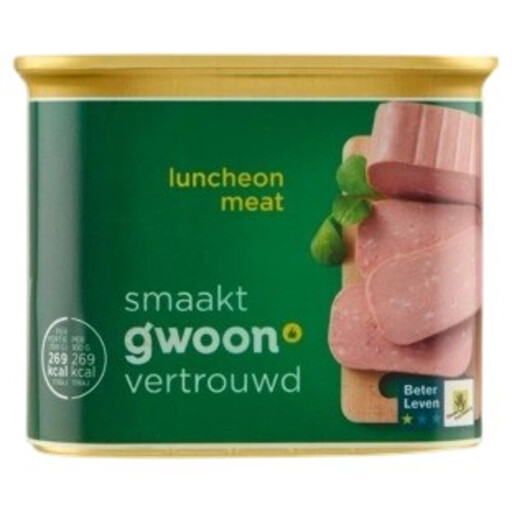
Why it suits this profile: A 340-gram tin is useful for sandwiches, pasta or a quick snack. The product information lists chicken and pork as ingredients.
The product page shows nutritional values and allergens, so you don't have to rely solely on the front of the packaging.
340 grams of product; suitable for hot and cold use; 12.2 grams of protein and 2.1 grams of salt per 100 grams according to the product information.
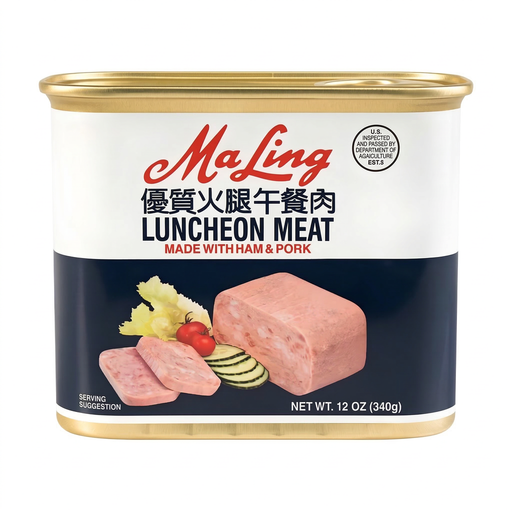
Why it suits this profile: This product is a good fit for anyone looking for a classic luncheon meat that can be eaten cold or fried.
The ingredients and nutritional values are clearly listed. According to Maling's own information, it is made to a classic recipe; check the current packaging for the full ingredients.
340 grams of product; ready to eat; 275 kcal, 24 grams of fat and 12.5 grams of protein per 100 grams according to the product details.
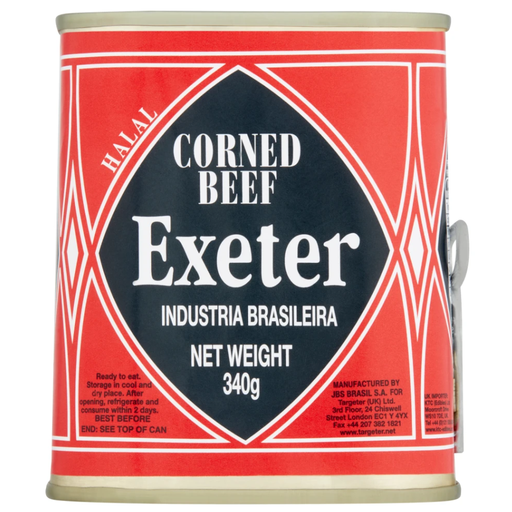
Why it suits this profile: A focused choice for shoppers looking for tinned beef who also value halal information.
The ingredients list states 93.5% cooked beef, and the product information states that it contains none of the 14 main EU allergens. Check the halal status and label before use.
340 grams of product; 25 grams of protein per 100 grams; suitable for eating cold or adding to hot dishes.
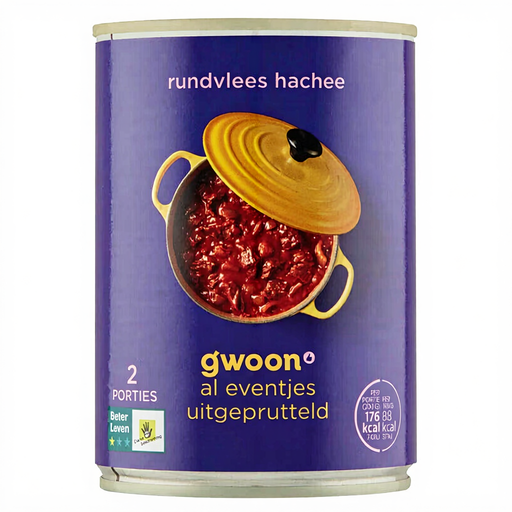
Why it suits this profile: Ideal for anyone looking for ready-to-eat meat that makes a quick meal with mashed potatoes, rice or chips.
The preparation instructions are clear: heat in a pan or for approximately five minutes in the microwave. The label lists wheat as an allergen.
400 grams of product; 19% beef according to the product information; 88 kcal and 0.995 grams of salt per 100 grams.
We've put together a complete, up-to-date list of products that fully meet these strict selection criteria and the applicable European safety regulations.
Check the best-before date on the packaging and follow the storage instructions. Store unopened tins in a dry place at room temperature, away from heat and sunlight. An opened tin should be transferred to a sealed container and kept in the fridge. Follow the timeframe on the label; for several of the products mentioned, this is a maximum of two days.
Not always. According to the product information, products such as luncheon meat and corned beef are ready to eat straight from the tin. You can also fry them for a warmer preparation. Stewed meat and ragout are usually heated in a pan or microwave. Always remove the contents from the tin first and follow the preparation instructions.
Check the current packaging for a halal designation, certification, type of meat and ingredients. Also look for information about possible cross-contact and changes to the recipe. If in doubt, the information on the product label takes precedence.
