
Livraison le jour même et le lendemain

Qualité garantie

Débloquez vos offres de bienvenue: Livraison GRATUITE | Jusqu'à -80 % | 30 jours d'essai gratuits à JoyPlus
Téléchargez l'application
Buying products online is convenient when you want to browse food, drinks, beauty products, household appliances and gifts in one order. At the same time, it can be hard to distinguish marketing claims from useful product information. An attractive photo tells you little about the ingredients, quantity, care requirements or suitability for your household.
With this practical guide, you can start by checking the details that matter most after your purchase. Then you can compare products more effectively and go straight to options that suit the way you shop.
A box or multipack may look appealing, but always check the quantity per item, the total amount and the use-by date. Storage matters too when you’re buying milk, soya drinks and snacks. For example, a pack of 24 Vitamilk Soy Drinks contains 7.2 litres, but you’ll need enough storage space and a suitable rate of consumption.
Words such as “creamy”, “natural” or “comfortable” don’t automatically tell you how a product will work for you. For food, check the ingredients, allergens, nutritional values and sweeteners. With a fondue set, capacity, temperature control, power and safety features are more specific than a general promise of a cosy meal.
You should also treat a brand’s claims about performance or skin results as brand communications. A brand’s own research doesn’t guarantee the same results for every user. So check the full product description and packaging.
Barista milk is made for frothing, while ordinary semi-skimmed milk is mainly for drinking, breakfast or cooking. A tinted day cream with SPF 30 offers a different combination of coverage and skincare benefits from a traditional foundation. So think first about when and how you’ll use a product, then consider its colour, flavour or packaging.
If you want to buy milk online, check the type of milk, fat content, storage instructions and use-by date. Melkan Long-Life Semi-Skimmed Milk contains 1.6 grams of fat, 3.7 grams of protein and 49 kcal per 100 ml. It contains milk and, according to the product information, isn’t suitable for people with a milk allergy or lactose intolerance.
When buying a soya drink, check whether milk powder or sugar has been added. According to the listed ingredients, Vitamilk contains 10% soya beans, sugar, vegetable oil and whole milk powder, among other ingredients. This doesn’t automatically make it suitable for a completely dairy-free diet.
The same checks apply to snacks. Xue Ji’s product information lists apricot kernels, sweeteners E950 and E955, and a nut allergen warning. Barebells Protein Cookies & Cream contains milk and soya and, according to the product description, may contain cereals containing gluten, peanuts and nuts.
Always compare the quantity with how much you’ll actually use. The Barebells protein bar weighs 55 grams and contains 37 grams of protein per bar, according to the label. That’s a specific nutritional value, not a general promise. The Xue Ji pack contains 180 grams and lists 636 kcal per 100 grams. So if you’re looking for an almond snack, portion size matters.
When choosing an electric fondue set, check at least the following:
For beauty products, check the quantity, shade and ingredients. SAITAKU COMPLEXION RESCUE Tinted SPF30 #03-Buttercream contains 35 ml and has mineral SPF 30, according to the product information. If you have sensitive skin, always check the full ingredients list and stop using the product if irritation occurs.
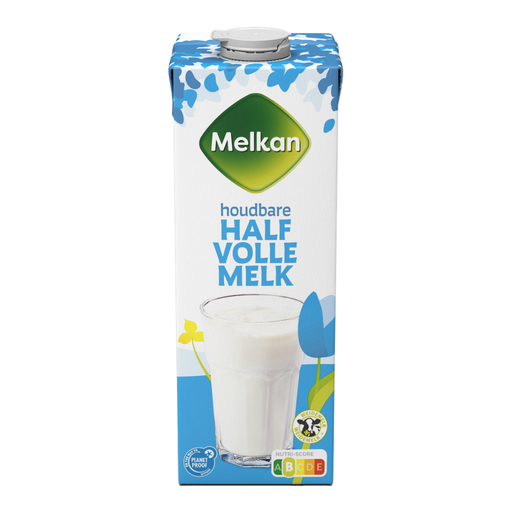
Why it suits this profile: A practical milk for coffee, breakfast cereal, drinking and cooking, in a handy 1-litre pack.
The quantity, nutritional values, ingredients and allergens are clearly listed. Once opened, the milk should be kept refrigerated, according to the product information.
1 litre; 1.6 g fat and 3.7 g protein per 100 ml; suitable for a range of everyday uses.
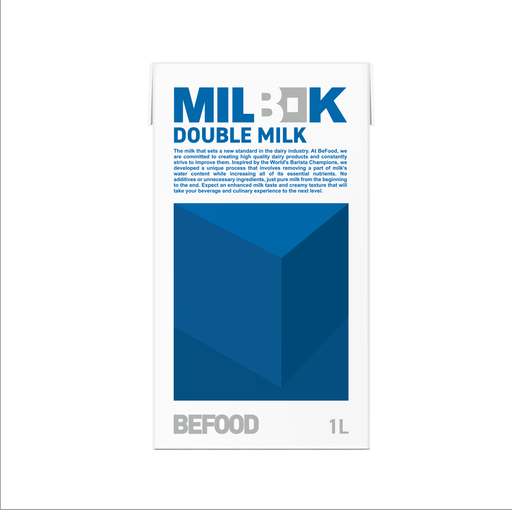
Why it suits this profile: Made for coffee lovers who use milk in cappuccinos, flat whites, matcha or hot chocolate.
The product specifications list 5.0 g of fat and 5.5 g of protein per 100 ml, making it easy to compare with regular barista milk.
1 litre; one ingredient according to the product information; suitable for frothing and serving.
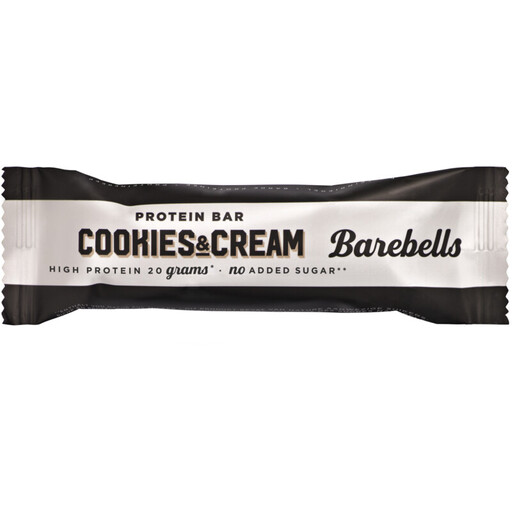
Why it suits this profile: Handy if you’re looking for a compact snack on the go and want to check the protein and allergen information first.
The bar lists 37 g of protein, 353 kcal and the sweeteners used. According to the product description, excessive consumption may have a laxative effect.
55 g per bar; 37 g of protein; clear warnings about milk, soya and other potential allergens.
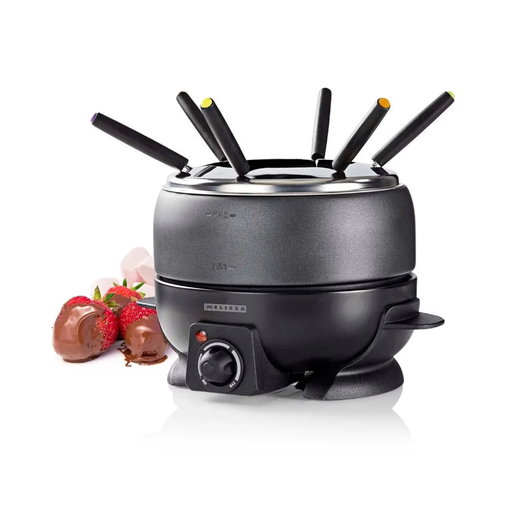
Why it suits this profile: A practical choice for households that regularly cook with cheese, chocolate, oil or stock at the table.
The set has an adjustable thermostat, six colour-coded forks, non-slip feet and overheat protection. Keep the base unit out of water.
Suitable for up to 6 people; 800 watts; 6 forks; non-stick coating and cool-touch handles.
We’ve put together a complete, up-to-date list of products that meet these strict selection criteria and current European safety regulations.
Check the type of milk, fat content, quantity, allergens, use-by date and storage instructions. Also see whether the product needs to be refrigerated once opened. For coffee, how you plan to use the milk may matter more than the price per litre.
It depends on the price per litre, kilogram or portion. Compare the total quantity with how much you normally use and check the use-by date. For a multipack of soya drinks, you should also check whether milk powder, sugar or other ingredients suit your dietary choices.
Its energy use depends on the power rating and how long you use it. An 800-watt model uses a theoretical 0.8 kWh per hour at full power. The actual cost depends on the thermostat setting and your electricity tariff. Never leave the appliance unattended while it’s in use, and always follow the safety instructions.
