
Vandaag of morgen in huis

Kwaliteit gegarandeerd

Welkomstaanbiedingen ontgrendelen: GRATIS bezorging | Tot 80% korting | Gratis 30 dagen JoyPlus-proefperiode
Download de app
A hydrating face cream may seem like a simple product, but there’s a huge variety of textures, ingredients and uses to choose from. A gel cream can feel comfortable on oily or combination skin, while a richer cream may be a better fit for dry skin. Sensitive skin also needs extra care when it comes to fragrance and other potentially irritating ingredients.
Marketing claims don’t always make it easier to compare products. Focus instead on the ingredients list, the skin types listed and the directions for use.
Brands sometimes state how many hours a product hydrates for, or give a percentage increase in moisture levels. These figures aren’t automatically comparable across products. For example, a brand’s own research under specific test conditions may show that a formula provides hydration for a certain length of time. That doesn’t mean every user will get the same results.
Treat these claims as extra information. First, consider the formula, texture and suitability for your skin.
Hyaluronic acid is a moisture-binding ingredient often found in hyaluronic acid creams. However, its presence doesn’t tell you everything about how a product performs or feels on your skin. Glycerin, panthenol, betaine and ceramides can also be worth looking for in a moisturising cream.
A formula containing different forms of hyaluronic acid may be worth considering, but also check that the cream feels comfortable and isn’t too heavy or too light for your skin.
A product description may say a product is suitable for several skin types, but your skin could still react to a particular ingredient. Fragrance, for example, isn’t suitable for everyone. Always check the current ingredients list on the packaging, especially if you’re looking for a face cream for sensitive skin.
Stop using the product if you experience redness, itching, a burning sensation or swelling. If symptoms persist, it’s best to seek medical advice.
Texture largely determines how a face moisturiser feels:
A light texture isn’t automatically less hydrating. On the other hand, a rich cream may feel uncomfortable if your skin tends to look shiny.
Look for a combination of humectants, emollient ingredients and skin barrier-supporting ingredients. Examples include:
An ingredient’s position on the ingredients list can give you an idea of how much is in the formula, but it doesn’t tell you everything about the product.
Compare more than just the product name. Check:
A smaller pack can be useful for trying out a formula first. Apply the cream to a cleansed face, following the instructions on the label. In the daytime, you can include a separate sun protection product in your routine.

Why it suits this profile: The 30 ml size is practical if you want to try a gel cream first. According to the product description, the formula is suitable for dry, very dry, combination and oily skin.
The product information specifically mentions a gel base, a fragrance-free formula, an alcohol-free formula and non-comedogenic properties. Check the packaging for the current ingredients list.
Gel cream for morning and evening use; according to the product description, it’s fragrance-free and suitable for several skin types.
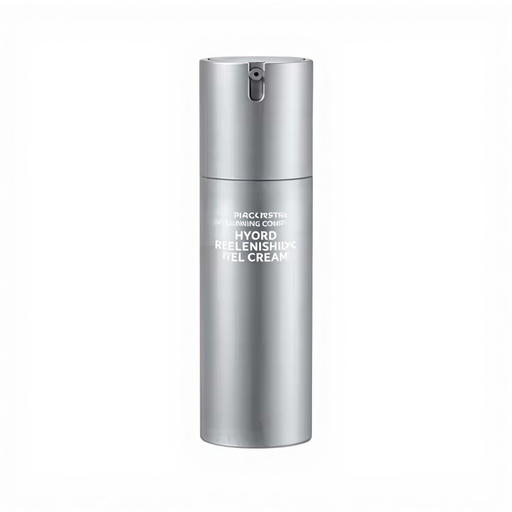
Why it suits this profile: According to the product description, this gel cream combines hyaluronic acid with glycerin, panthenol and apricot kernel oil. Its light texture is designed for daily use in the morning and evening.
The description doesn’t just make a hydration claim; it also mentions the texture and several ingredients. This makes it easier to choose a formula that suits the feel you want for your skin.
50 ml; gel cream with hyaluronic acid, glycerin and panthenol; described in the product information as having a fast-absorbing texture.
We’ve put together a complete, up-to-date list of products that meet these strict selection criteria and current European safety regulations.
If you have dry skin, look for a cream with glycerin, hyaluronic acid, panthenol, ceramides or nourishing oils. A rich formula may feel more comfortable than a watery gel. Apply a small amount and, after a few minutes, check whether your skin feels comfortable without feeling heavy or sticky.
You can if the product description says it’s suitable for use in the morning and evening. A light day and night cream is practical for a simple routine. A regular moisturiser doesn’t replace sun protection during the day, so use a separate product with suitable UV protection.
Check the open-jar symbol and the information on the packaging. Shelf life after opening varies by formula. Store the cream in a cool, dry place out of direct sunlight, and close the packaging securely. Has the smell, colour or texture changed? Don’t use the product, and check the shelf-life information.
