
Vandaag of morgen in huis

Kwaliteit gegarandeerd

Welkomstaanbiedingen ontgrendelen: GRATIS bezorging | Tot 80% korting | Gratis 30 dagen JoyPlus-proefperiode
Download de app
A collagen face cream may be worth considering if your skin feels dry, dehydrated or less supple. However, the word “collagen” on the packaging does not tell you everything. The formula may also be focused mainly on hydration, a comfortable skin feel or supporting the skin barrier. If you rely solely on a prominent claim, you may end up paying for a product that does not suit your skin or routine.
So keep an eye out for these three common pitfalls:
Ingredients are listed in descending order of quantity, with exceptions for ingredients used in low concentrations. As well as collagen, look out for supporting ingredients such as:
A PDRN collagen cream often contains sodium DNA or a similar ingredient listing. PDRN is a cosmetic ingredient and is not a guarantee of a medical or anti-ageing result. If you have sensitive skin, a patch test is advisable.
An anti-ageing face cream for daytime use may feel light and contain SPF. For example, the OLAY Collagen Peptide Face Moisturiser has SPF 30 and lists collagen peptide, niacinamide and glycerine among its ingredients. However, check whether you also need to use sufficient additional sun protection.
A night cream for wrinkles is generally richer and does not always contain SPF. The NIVEA Q10 POWER Anti-Wrinkle Night Cream contains, among other ingredients, glycerine, shea butter, Q10, creatine, panthenol and sodium hyaluronate. According to NIVEA, the wrinkle claims refer to an instrumental test involving 36 women and an in-vitro test on skin cells. These results are not the same as a guarantee for every user.
A 50 ml jar and a 50 ml tube contain the same amount of product, but differ in ease of use and hygiene. A glass jar may feel sturdy, while a tube provides less direct contact with the product. Also consider:
The term repair the skin barrier is widely used in product marketing. Treat this as the brand’s cosmetic positioning and look at the specific ingredients that may support the skin’s comfort and moisture levels.
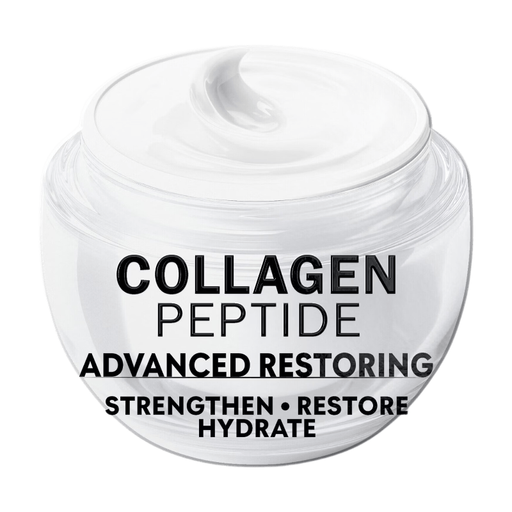
Why it suits this profile: A straightforward day cream for anyone who wants to combine collagen peptide, niacinamide and vitamin E in one routine. The product information describes a light, non-greasy texture for use on the face and neck.
The ingredients and purpose of the cream are clearly stated. No SPF is mentioned, so you can plan to use a separate product for sun protection.
50 ml; collagen peptide and 99% pure niacinamide according to the product information; suitable for normal and mature skin types.
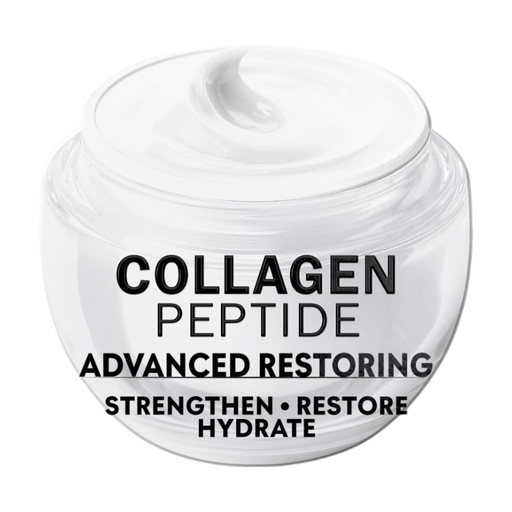
Why it suits this profile: Suitable for anyone looking for a daytime collagen cream with built-in SPF 30 and a light, fast-absorbing texture.
The presence of SPF 30 is clearly stated alongside the product type. Nevertheless, check the recommended amount and use additional sun protection if necessary.
50 ml; SPF 30; the product information lists glycerine, niacinamide and collagen peptide.
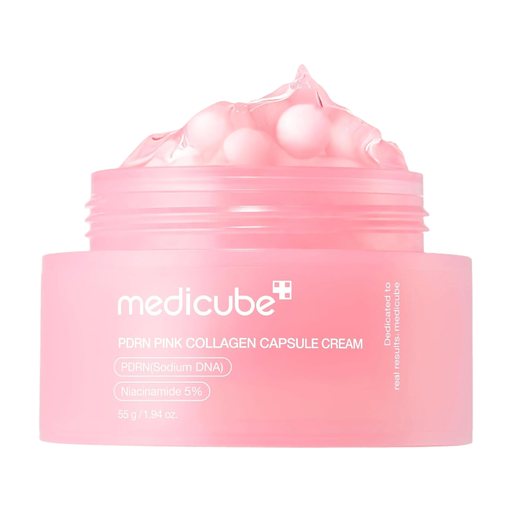
Why it suits this profile: For anyone who wants to expand a Korean skincare routine with a blendable capsule-and-gel formula for morning and evening use.
The instructions explain the quantities and how to mix the capsule and gel. A patch test is recommended, particularly for sensitive skin.
55 g; according to the ingredients list, contains niacinamide, sodium DNA, ceramide NP, forms of hyaluronic acid and hydrolysed collagen, among other ingredients.
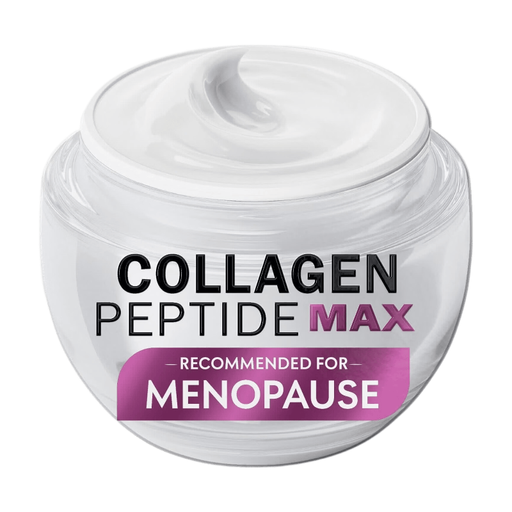
Why it suits this profile: According to Olay, this day cream was developed for mature and menopausal skin, with collagen peptide, niacinamide and more than 50% glycerine, according to the product description.
The target audience and time of use are clearly specified. No SPF is mentioned, so add suitable sun protection during the day.
50 ml; intended for the face and neck; hydrating formula with glycerine, niacinamide and collagen peptide according to the product information.
We have put together a complete, up-to-date list of products that fully meet these strict selection criteria and the applicable European safety regulations.
A cream can temporarily make the skin feel smoother or more supple through moisturising ingredients. Whether it visibly reduces fine lines depends on the complete formula, how it is used and your individual skin. Brand claims are not a guarantee for every skin type. So check the ingredients list and whether the product has been dermatologically tested, without assuming this means you will achieve a particular result.
Apply the cream to cleansed skin. During the day, use a day cream with SPF or combine your usual day cream with a separate sun protection product. A night cream for wrinkles is generally applied as the final step in your evening routine. If you have sensitive skin, start with a small amount and test the product on a limited area of skin first.
Check the expiry date and open-jar symbol on the packaging. Make a note of when you open the cream and close the packaging securely after use. Store the product in a dry place at room temperature and away from direct sunlight. If the smell, colour or texture changes noticeably, stop using it.
