
Same-day & Next-day Delivery

Quality Guaranteed

Unlock Your Welcome Offers: FREE Delivery | Up to 80% OFF | Free 30-day JoyPlus trial
Download the APP
Buying frozen food online is a convenient option for busy households, home cooks and catering professionals. You can order frozen vegetables, frozen fruit, fish, seafood or Asian frozen products all in one go, and keep a longer-lasting supply at home. Yet an attractive product photo can sometimes hide important information.
So pay particular attention to three common pitfalls:
Most frozen products need to be stored at -18 °C or lower. After delivery, check that the packaging is properly sealed and the product still feels completely frozen. A short delay during delivery doesn’t automatically mean a product is unsafe, but products that have clearly thawed deserve extra attention.
When having frozen food delivered to your home, it’s wise to check in advance:
Always follow the storage temperature on the packaging. Do not refreeze after thawing, unless the packaging explicitly states otherwise.
Don’t just compare the price per bag or box – also compare the price per 100 grams or per portion. Individual packaging can also be handy for reducing food waste.
Examples:
With frozen fish and frozen seafood, it’s especially important to check whether the weight includes the ice glaze, shell or packaging. For peeled frozen prawns, it’s also relevant whether the intestinal tract and shell have already been removed.
The ingredients list gives you more information than terms like “traditional”, “authentic” or “handmade”. Check, among other things:
The FRESHASIA Siu Mai contains, among other things, 35% glutinous rice, bamboo shoot, shiitake, carrot, wheat flour and soya. According to the product instructions, it should be steamed from frozen, without defrosting first, for 8 to 10 minutes after the water has boiled. The product is not intended to be eaten raw and must be fully heated.
For Asian frozen products, this distinction is important: dim sum, edamame, natto, dumplings and snacks can each have a different cooking method. The same applies to frozen ready meals. Check whether you need a microwave, pan, oven, wok or steamer basket.
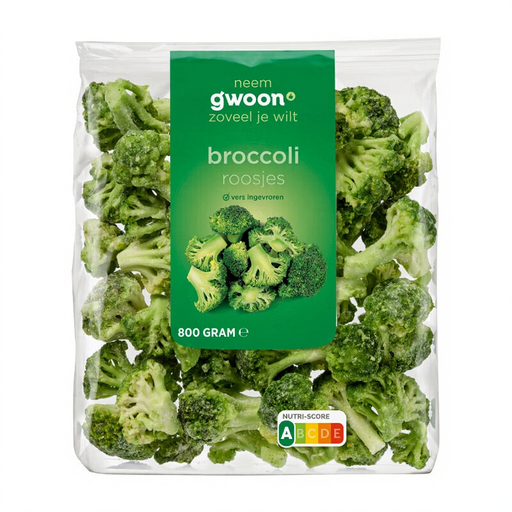
Why this suits the profile: A straightforward base for stir-fries, pasta and side dishes, without a long list of ingredients.
The product information lists broccoli as the ingredient and a net weight of 800 g, making comparisons easy.
One ingredient, 800 g pack and suitable for various everyday dishes.
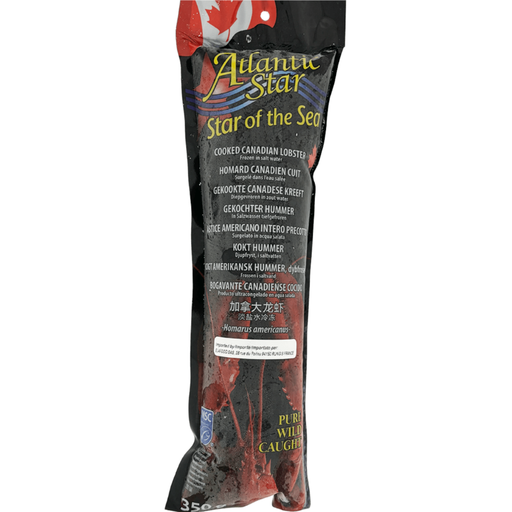
Why this suits the profile: Ideal for a celebratory meal where origin, type and storage conditions need to be clear upfront.
The product description mentions cooked lobster, Canada, storage at -18 °C and a shelf life of 730 days.
Cooked product, scientific species name Homarus americanus and origin Canada stated.
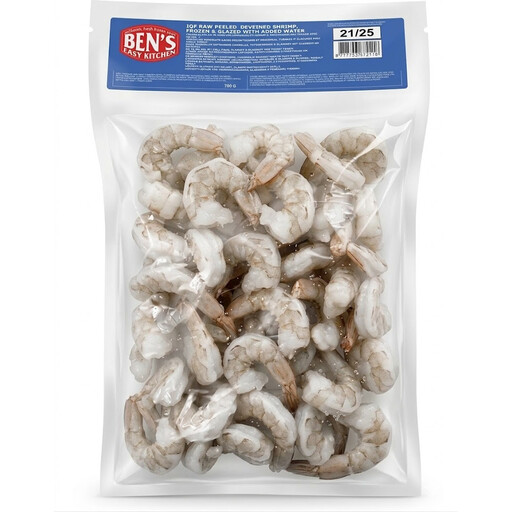
Why this suits the profile: Handy for stir-fries, soups, salads and larger meals at home or in a professional kitchen.
The specification states IQF, raw, peeled and deveined, plus the net weight of 800 g. So you know further cooking is needed.
Size 21/25, versatile cooking options and clear mention of shellfish as an allergen.
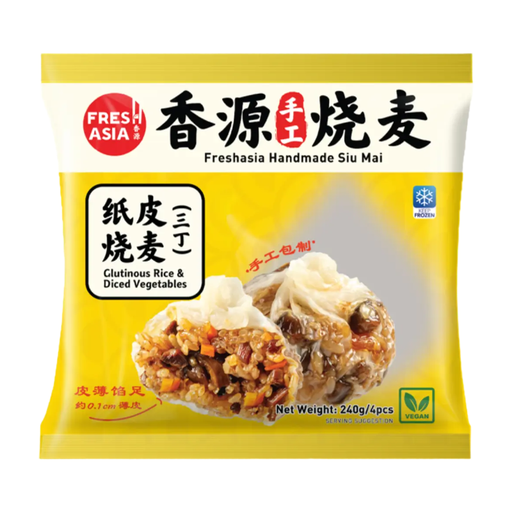
Why this suits the profile: A compact choice for breakfast, lunch, bento or a quick Chinese snack from the steamer basket.
The instruction is specific: steam straight from frozen, 8 to 10 minutes after the water has boiled, and do not eat raw.
Four individually wrapped pieces, 240 g total and a stated core temperature of over 70 °C after cooking.
For smoothies and desserts, you can look at frozen fruit such as mango, strawberries or blueberries. If you’re putting together a meal, you might choose Italian frozen vegetables, broccoli, frozen bread or ciabatta. For frozen seafood, options include octopus, lobster, mussels, surimi and mixed fruits de mer.
With bread products, pay close attention to the storage information. Not every bread roll offered online is stored as a frozen product according to the product page. So store g'woon Italian Rolls, White Rolls, Butter Croissants and Ciabatta according to the label and check the shelf-life information on the packaging.
We’ve put together a full, up-to-date list of products that fully meet these strict selection criteria and comply with current European safety regulations.
Yes, as long as the provider gives information about chilled or temperature-controlled transport. Make sure you’re at home, check the condition of the packaging and put the products straight into the freezer after receiving them.
The shelf life varies by product. Look at the best before date or other date on the packaging and follow the stated temperature. After thawing, you should keep the product chilled and use it within the stated time. Do not refreeze it.
Not always. Fruit such as blueberries, strawberries and mango can often be used in smoothies or desserts, but check the product instructions. Vegetables usually need to be heated. Raw prawns, octopus and other frozen fish or seafood must be fully cooked according to the label.
