
Vandaag of morgen in huis

Kwaliteit gegarandeerd

Welkomstaanbiedingen ontgrendelen: GRATIS bezorging | Tot 80% korting | Gratis 30 dagen JoyPlus-proefperiode
Download de app
Buying frozen fish is a handy option for families, busy weekdays, and recipes where you don’t want to keep popping to the shop. That said, it can be tricky to compare packs properly. A large pack isn’t always better value, a crispy fish product doesn’t contain the same ingredients as a plain fillet, and terms like “sustainable” need checking on the label.
With this practical guide, you can compare frozen fish, portion size, ingredients, allergens, and cooking method before you order online.
A pack of 800 grams might look appealing, but do check how many portions it contains and whether the fish is frozen in one block. Individually wrapped fillets are often easier to portion out. With a large bag format, it can also be trickier to use just part of it without letting the rest defrost.
A fish fillet with 100% fish as the ingredient is clearly different from kibbeling, fried fish, or fish balls. Breaded products often contain flour, oil, starch, seasonings, and salt. That’s not necessarily a problem, but the product suits a different meal and dietary choice.
So, look at the ingredients list. For example, Vismarine Kibbeling 350 g lists 58% Alaska pollock, alongside wheat flour, oil, starch, and seasonings. With the Panga Fillet 200/+ 800g, the product information states panga as the ingredient.
A label like “sustainable” can only be properly assessed when there’s a verifiable certification mark or specific origin stated. The NordicSeafood Pangasius Fillet Skinless Boneless – 3 x 525 g is described on the product page as ASC-certified and sourced from Vietnam. Always check the current packaging and product information when you buy; certification marks and specifications can vary between packs.
The type of fish determines the flavour, texture, and use. A salmon fillet is suitable for pan-frying or oven-baking. Cod fillet, Alaska pollock, and other white fish work well in stews, curries, and oven bakes. Pangasius fillet and tilapia fillet generally have a mild flavour and are versatile for a range of everyday dishes.
Also check whether the fillet:
A sea bass fillet with skin, for example, can be suitable for crisping up the skin in the pan. The Sea Bass Fillet Skin-on 400 g and the 400 g x 2 pack contain 90% sea bass according to the product information, along with water, salt, and an acidity regulator.
With plain frozen fish fillets, the fish percentage is a practical point of comparison. Products with added water or moisture-retaining agents can have a different cooking method and texture. The NordicSeafood Pangasius Fillet Skinless Boneless – 525 g, for instance, lists 80% pangasius, water, moisture-retaining agents, and salt.
Also read the allergen information. Fish is an allergen. Breaded products may also contain wheat, gluten, or milk ingredients. With composite fish products, such as fish balls, soya, egg, sesame, or shellfish may also be present. If you have allergies, always rely on the current label.
For one or two meals, packs of 200 to 400 grams are practical. For families or regular cooking, a pack of 800 grams or several kilos can work out better value per portion. Just bear in mind the space you have in your freezer and whether you can store portions separately.
Store frozen fish according to the instructions on the pack, typically at -18 °C or lower. Ideally, defrost fish in the fridge in a controlled way. According to the product information, once defrosted, the product should not be refrozen.
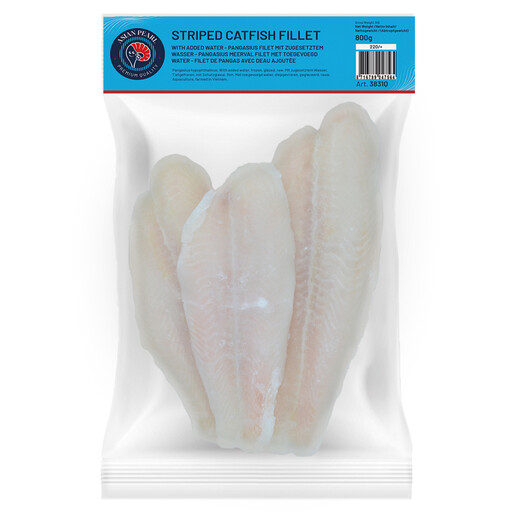
Why this fits the profile: A large size for curries, stir-fries, and multiple family meals. The product information lists panga as the ingredient.
The product description gives a clear net weight and storage instructions. Do check how the fillets are arranged in the pack before use.
800 grams; panga as the sole listed ingredient; suitable for a variety of cooking methods.
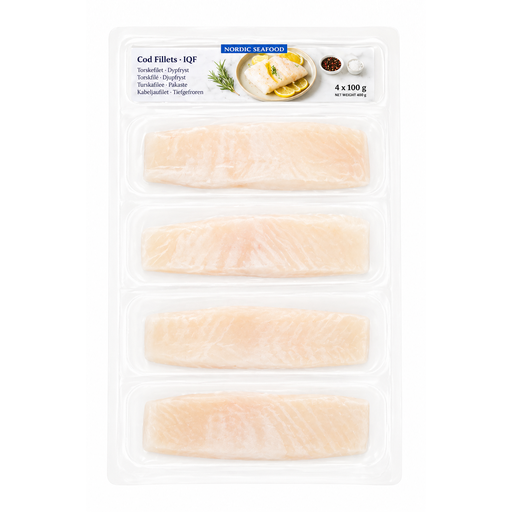
Why this fits the profile: Four separate 100-gram portions, skinless according to the product description, for precise portioning.
The product information states the origin, catch method, portions, and storage temperature. Still check for any bones if serving to children.
400 grams total; four individually wrapped portions; skinless and boneless according to the product description.
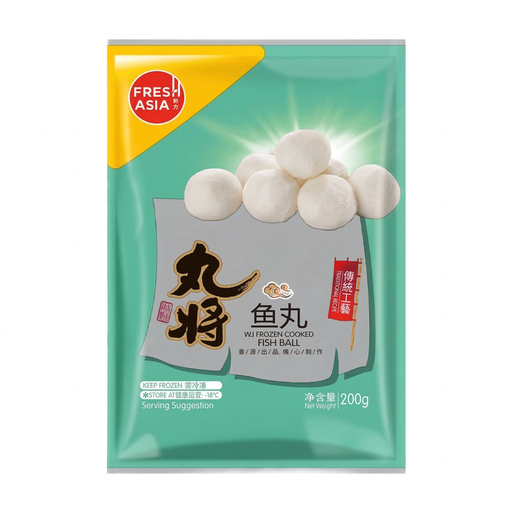
Why this fits the profile: For hotpot, soup, and Asian stir-fries where quick preparation is key.
The ingredients list states 50% fish meat and also soya. This means you can compare the product accurately rather than treating it as a plain fillet.
200 grams; can be cooked straight from frozen; suitable for hotpot, soup, and stir-fries.
We’ve put together a full, up-to-date list of products that fully meet these strict selection criteria and comply with current European safety regulations.
Follow the best-before date and storage conditions on the pack. At -18 °C, the product generally remains suitable until the stated date. Once defrosted, you should keep the fish chilled and use it within the specified period. Do not refreeze defrosted fish.
That depends on the product. Many fillets cook more evenly when defrosted in the fridge and then patted dry. Some fish balls can be cooked straight from frozen in boiling water or a hotpot, according to the product instructions. Always check the label.
Choose a size that matches the number of people you’re feeding and the meals you make. A pack with multiple portions of salmon fillet, cod fillet, or a large pack of panga or tilapia fillet can be practical. For a quick snack or party food, kibbeling, fried fish, or smoked salmon are better options. Always compare the fish percentage, ingredients, and allergens.
