
Vandaag of morgen in huis

Kwaliteit gegarandeerd

Welkomstaanbiedingen ontgrendelen: GRATIS bezorging | Tot 80% korting | Gratis 30 dagen JoyPlus-proefperiode
Download de app
Dried dates are a handy sweet snack, a great ingredient for baking, or a lovely addition to tea, porridge and savoury dishes. However, products vary widely in size, texture, whether they contain stones, packaging and preparation method. A large bag isn't automatically good value if the dates are too dry for your recipe, or if they need to be cooked first.
When comparing dried dates, Medjool dates, red dates and jujubes, it's important to think about when you'll use them. The qualities that matter differ depending on whether you want to snack straight away or are looking for dates for tea and desserts.
“Red dates”, “Chinese dates” and jujubes are often used interchangeably. In practice, they can differ in size, firmness and usage advice. Some products are ready to eat straight away, while others need to be washed and cooked first, according to the label.
Always check the instructions. The HEYU Premium Jujube, for example, states that the product must be washed and cooked before consumption and should not be eaten raw. This makes it particularly suitable for porridge, soup and tea, rather than a quick snack from the packet.
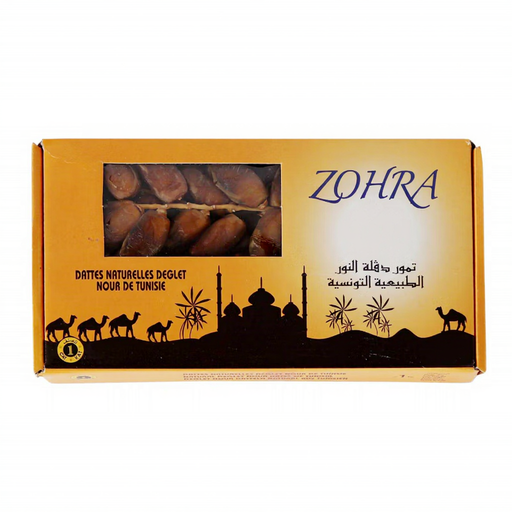
Dates naturally contain a lot of carbohydrates and sugars. The Zohra dates, for instance, list 75g of carbohydrates per 100g, of which 63g are sugars. This is useful information when you're weighing out portions or using the product in a breakfast or dessert.
Also check the ingredients list. A product with 100% dried dates has a different composition to a candied jujube with added sugar, salt or syrup. What's more, check the nutritional values per 100g so that packs of 500g, 800g and 1kg are easy to compare fairly.
1kg dates are ideal for families, regular baking or heavy users. For occasional use, a smaller pack can be more convenient. After opening, product labels usually advise sealing the bag well and storing it in a cool, dry place. This stops the fruit from drying out, becoming soft from moisture, or picking up smells from the cupboard.
Also look at individual portions. A box with several smaller bags can be handy for work, school or controlled portions, while one large bag often uses less packaging material per gram.
Dates without stones save preparation time for smoothies, cakes, energy bars and stuffed dates. Do check the exact product description, though: terms like “whole”, “with pits” or “pitted” can vary between varieties. With mechanically pitted products, a stone may occasionally be left behind, according to the label. So eat carefully, especially if you're buying a product for children.
A pitted red date is practical for tea and desserts. For traditional cooking, a variety with stones can also work, as long as you remove the stone before eating.
Medjool dates are generally larger and softer in texture than many smaller red dates. The Zohra Medjool varieties are described as soft or creamy and are suitable for eating, stuffing with nuts, or adding to porridge and yoghurt.
Red dates and jujubes are often firmer and are widely used in tea, porridge, soup and desserts. There are also crunchy varieties. Haoxiangni Crispy Red Dates, for example, are vacuum fried and contain 20% palm oil according to the product information. That's a different product type to pure dried fruit.
Check the ingredients list and allergen information before you buy. Some dates only list “dates” or “jujube”. Other snacks contain sugar, maltose syrup, oil, nuts or grains. The Red Date & Walnut Pie, for example, contains walnuts and maltose syrup, so it's not the same as 100% dried dates.
The label also shows the net weight, origin, best-before date and storage advice. This information helps you compare products in line with European labelling rules. When you receive your order, also check that the packaging is undamaged.
Why this fits the profile: A generous pack for anyone who regularly uses dried dates as a snack or adds them to breakfast, biscuits and granola. The product information states 100% dried dates, with no added sugar or preservatives.
The ingredients list is straightforward and the dates are ready to eat raw or to be chopped for recipes. Before buying, do check the current packaging for stones and storage advice.
1kg pack, origin in Turkey, vegan and gluten-free according to the product description, with a shelf life of 230 days.
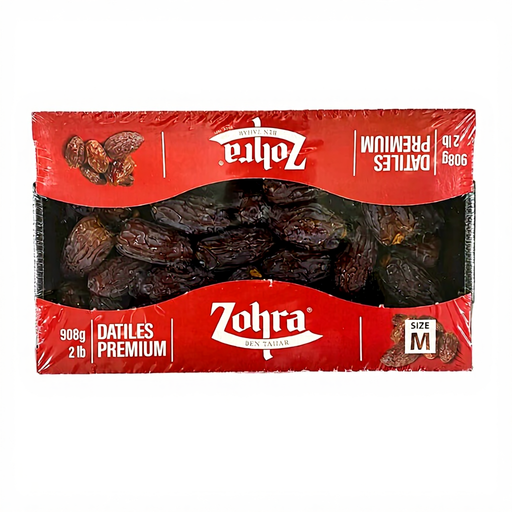
Why this fits the profile: Medjool dates suit anyone who values a soft texture, a larger size and use as a standalone treat or stuffed date. This variety is described as pitted.
The product information explicitly mentions the pitted processing and a 908g pack. This makes it clearer what you're paying for than with an unspecified bag of dates.
Medjool size M, pitted according to the description, ingredients listed as dates and origin in Turkey.

Why this fits the profile: A handy choice for anyone who regularly uses red dates and Chinese dates in tea, soup, desserts or baking recipes. The jujubes are described as pitted and ready to use.
The description states 100% red dates and a pitted version. This saves extra chopping and makes the 500g portion easy to manage for regular cooking.
500g pack, 100% jujube according to the label, pitted and suitable for snacking, cooking, baking and tea.
We've put together a full, up-to-date list of products that fully meet these strict selection criteria and comply with current European safety regulations.
Store an opened pack in a cool, dry and dark place. Seal the bag well or use an airtight container. If in doubt, check the best-before date on the packaging and inspect the smell, colour and texture before use. Don't use a product with damaged packaging.
For large packs, such as 1kg dates or Medjool dates 908g, it's practical to store a portion separately in an airtight container after opening. That way, you don't have to expose the whole batch to air and moisture every time.
That depends on your personal diet and portion size. Dates are naturally sweet and contain relatively high levels of carbohydrates. So check the nutritional information table and decide how much you want to eat beforehand. You could combine them with unsalted nuts or use small portions in yoghurt, porridge or baking.
Medjool dates are usually larger, softer and fuller in texture. Red dates, also called Chinese dates or jujubes, are often firmer and are widely used in tea, soup, porridge and desserts. Always check the label, because size, stones and preparation advice vary between products.
Follow the date and storage advice on the packaging. Generally, they stay pleasant for longer if you keep them cool, dry and well sealed. Some product labels advise consuming them as soon as possible after opening. Also check regularly whether the texture or smell has changed.
