
Vandaag of morgen in huis

Kwaliteit gegarandeerd

Welkomstaanbiedingen ontgrendelen: GRATIS bezorging | Tot 80% korting | Gratis 30 dagen JoyPlus-proefperiode
Download de app
Are you looking to buy dates and red dates online for snacking, tea, breakfast or cooking? At first glance, the choice might seem straightforward, but there are clear differences in type, texture, use and packaging. A large bag isn't automatically good value if you barely use the contents. And a product labelled "natural" can still contain added sugar.
This practical buying guide helps you compare Medjool dates, dried dates and Chinese red dates on the points you can check before you buy.
Chinese red dates are usually jujubes, also known as Chinese dates. They differ from Turkish or North African dates in shape, taste and how they're used. Jujubes are often used in tea, porridge, soup and stewed dishes. Medjool dates are typically larger, softer and suitable for eating straight away.
So don't just look at the product title – also check the ingredients list, origin and preparation instructions.
Dried dates naturally contain a lot of sugar. For example, Zohra Dates lists 100% dried dates as the ingredient, with no added sugar or preservatives according to the product information. Other red date products, however, are candied with sugar, maltose or muscovado sugar.
If you want a simple, natural snack, check that the label lists only dates or jujubes.
The preparation method varies from product to product. The HEYU Premium Jujube states that you should wash and thoroughly cook the jujubes, and that you should not eat them raw. Other products, such as certain pitted jujubes, are described as ready to eat according to their product information.
Always check the usage section on the product page and packaging. That way, you won't end up with something unsuitable for your planned recipe.
Terms like "soft", "chewy" and "air-dried" give an indication of the texture, but the experience can vary from crop to crop and pack to pack.
A product with pitted dates or pitted jujubes is handy if you want to chop, stuff or use them in breakfast and baking. With whole fruits, you'll need to remove the stone yourself. Also check the warnings on the packaging for mechanically pitted products; occasionally, fragments may remain.
For tea or soup, a whole jujube can work perfectly well. For children or quick snacking, a clear pitted label is more practical, but always follow the product information.
Don't just compare the price – also compare the weight:
Store dried fruit and jujubes according to the label in a cool, dry place, away from direct sunlight and moisture. Seal the packaging well after opening. Check the best-before date on the actual packaging.
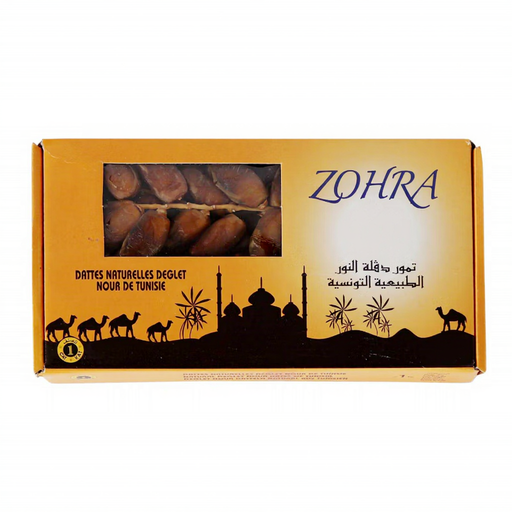
Why this fits the profile: A generous pack for anyone who wants to use dates as a snack as well as in breakfast, baking or smoothies. The product information states 100% dried dates from Turkey.
The ingredients list is straightforward. You can also see the net weight of 1 kg and the storage instructions at a glance.
100% dried dates, 1 kg content, suitable for snacking and baking.
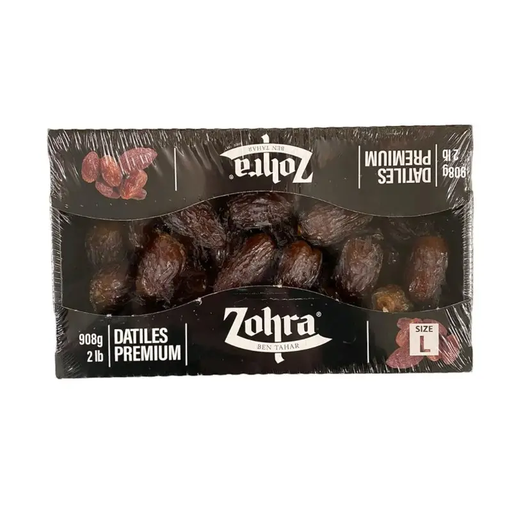
Why this fits the profile: The L-size Medjool dates are described in the product description as ideal for anyone looking for a large, soft date for eating straight away, stuffing or serving with tea and coffee.
The product page distinguishes between Medjool and regular dried dates, and states the origin, weight and ingredients.
908 g pack, Turkish origin, L-size and suitable for multiple eating occasions.

Why this fits the profile: These Chinese red dates are pitted and ready to eat according to the product information. That makes them suitable for tea, soup, cooking, baking and everyday snacking.
The "pitted" label prevents confusion about the stone. The product information also clearly states that the product is ready to eat.
500 g content, 100% jujube, pitted and suitable for snacking and hot preparations.
We've put together a full, up-to-date list of products that fully meet these strict selection criteria and comply with current European safety regulations.
No. Red dates usually refer to Chinese red dates or jujubes. Medjool dates are a different type of date, often larger and softer. Check the ingredients list and the product name before you order.
Store them in a cool, dry place away from direct sunlight. Seal the packaging well after opening and keep the product away from moisture. Some packs advise consuming the contents quickly after opening. Always follow the label.
No. Some products state that washing and cooking is essential, while other jujubes are offered as ready to eat. So check the usage instructions for the specific product before you use it in tea, porridge or as a snack.
