
Vandaag of morgen in huis

Kwaliteit gegarandeerd

Welkomstaanbiedingen ontgrendelen: GRATIS bezorging | Tot 80% korting | Gratis 30 dagen JoyPlus-proefperiode
Download de app
If you’re looking to buy bulgur, you’ll quickly come across a mix of terms: fine bulgur, coarse bulgur, pilav bulgur, bulgur rice and ready-to-eat options. The right choice depends mainly on the dish, the texture you want and how much time you have to cook. This practical guide will help you avoid choosing a pack that isn’t right for your recipe.
A familiar name, such as Duru bulgur, doesn’t automatically tell you which grain size you need. A single brand may offer several varieties. Duru Basbasi Bulgur, for example, is extra coarse, while Duru Koftelik Ince Bulgur is fine. Always check the product name and grain size.
Fine bulgur is suitable for dishes such as köfte and çiğ köfte, as well as some salads. For a hearty pilaf, a coarser grain is more practical. If you cook a very fine variety like rice, it may turn soft or compact more quickly.
Ready-to-eat bulgur is handy for lunch or a quick meal, but it works differently from bulgur for pilaf. Cooking time, portion size, ingredients and storage instructions vary. Check the allergens too: several products in this range contain wheat or gluten, and some ready-to-eat varieties also contain milk.
The grain size plays a major part in determining the texture of your dish.
If you’re specifically looking for bulgur for pilaf, look out for terms such as pilavlik, large rice bulgur or coarse bulgur.
Check the ingredients list, especially if you’re cooking for children or guests, or for someone with a wheat allergy. Duru Bulgur Pilavlik and Duru Ince Pilavlik Bulgur list wheat as an ingredient. Duru Large Rice Bulgur lists wheat and gluten. The product information for Duru Basbasi Bulgur doesn’t list any of the 14 main EU allergens, but always check the current packaging before buying.
Ready-to-eat products may have a longer ingredients list. Duru The Bulgur Way Garniturlu Bulgur contains bulgur, sweetcorn, peas, carrot, butter, olive oil and salt, among other ingredients. The product lists wheat/gluten and milk as allergens.
A 1 kg bag of bulgur is handy if you cook it regularly. If you buy a larger quantity, consider how much storage space you have and seal the pack well after opening. According to the product information, dried products should be stored in a cool, dry place away from direct sunlight.
A 250-gram pack of ready-to-eat bulgur is more convenient for occasional use. The three Duru The Bulgur Way varieties are designed to be heated briefly. According to the product information, they should be refrigerated after opening and used within two days. Always check the best-before date and the label on the pack you receive.
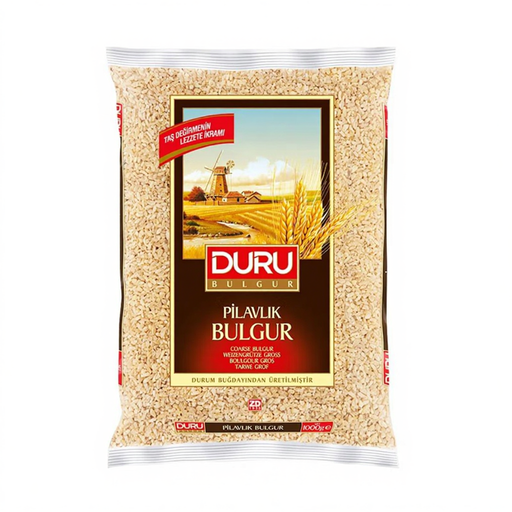
Why it suits this type of cook: A 1 kg bag gives you a practical supply for pilaf, soups and side dishes, without having to buy a bulk pack.
The Pilavlik label makes its intended use clearer than a generic pack of bulgur.
1 kg pack, coarser wheat grain and product information for preparing pilaf.
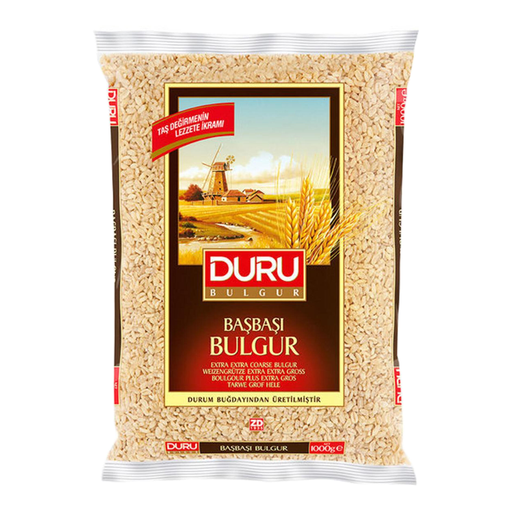
Why it suits this type of cook: This extra-coarse variety is ideal for home cooks who want a pronounced grain and hearty texture.
The product description explicitly identifies the grain as extra coarse, so you’re less likely to choose a fine variety for pilaf.
1 kg pack, extra-coarse texture and suitable for pilaf, salads, soups and side dishes.
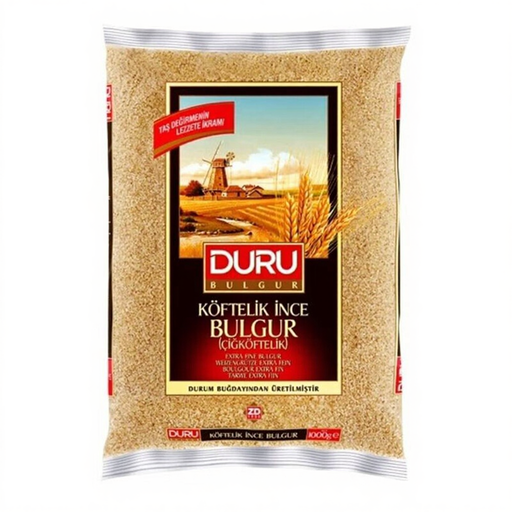
Why it suits this type of cook: Its fine texture is ideal for köfte, çiğ köfte, fillings and recipes where the bulgur needs to hydrate quickly.
The name Koftelik Ince makes it clear that this isn’t coarse bulgur for a classic pilaf.
1 kg pack, fine wheat bulgur and a clear use for köfte-style dishes.
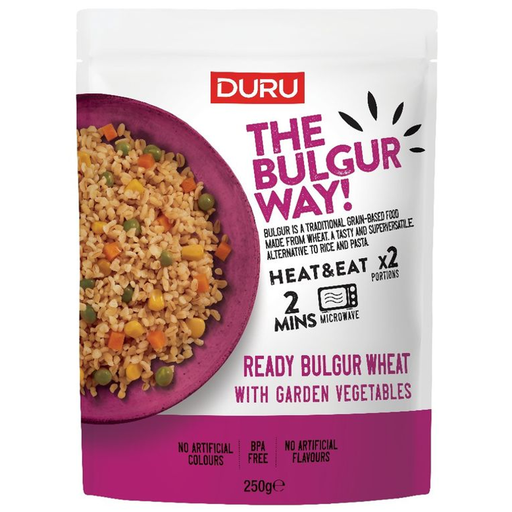
Why it suits this type of cook: This ready-to-eat bulgur with sweetcorn, peas and carrot is designed for a quick lunch, evening meal or side dish.
The 250-gram portion and stated heating time make it clear that this is a prepared meal, not a pack of dried bulgur to keep in your cupboard.
The 250-gram pack contains two servings according to the product information and can be heated in the microwave or in a pan.
We’ve put together a complete, up-to-date list of products that meet these strict selection criteria and the relevant European safety regulations.
Usually, choose coarse bulgur, pilavlik bulgur or bulgur rice. These grains generally hold their shape better during cooking than fine bulgur. Check the cooking instructions on the pack, as the amount of liquid needed can vary between products.
Fine bulgur is cut into smaller pieces and absorbs liquid more quickly. It’s often used for köfte, çiğ köfte, salads and fillings. Coarse bulgur has a more pronounced bite, making it a better choice for pilaf, soups and hot side dishes.
Store dried bulgur in an airtight container in a cool, dry place, away from moisture and direct sunlight. Ready-to-eat bulgur should be refrigerated after opening and used within the stated time, as indicated in the product information. Check the current label whenever you buy; the packaging is the definitive source for ingredients, allergens and shelf life.
