
Vandaag of morgen in huis

Kwaliteit gegarandeerd

Welkomstaanbiedingen ontgrendelen: GRATIS bezorging | Tot 80% korting | Gratis 30 dagen JoyPlus-proefperiode
Download de app
If you’re looking to buy Turkish bulgur, you’ll soon come across lots of packs with similar names. But grain size, cooking time and uses can vary considerably. Choose the wrong type and your pilav could turn out too dry, your köfte might fall apart, or you could end up with a large bag gathering dust in the cupboard.
So keep an eye out for these three common pitfalls:
The name on the pack usually gives you a clue. Also check the ingredients list, allergen information and cooking instructions. Always follow the details on the packaging.
Pilavlik bulgur usually has medium to coarse grains. It’s suitable for Turkish bulgur pilav, stuffed vegetables, soups and as a side dish with meat, fish or vegetables. The grains retain more texture after cooking than fine bulgur.
For example, Duru Bulgur Pilavlik – 1 kg contains coarse wheat bulgur according to the product information and comes from Türkiye. The listed ingredient is wheat, and the product contains wheat as an allergen. Check the current packaging if you need to avoid gluten.
Coarse bulgur is a good choice when you want a noticeable bite. Basbasi bulgur is an extra-coarse variety that can look similar to whole wheat. It works well in pilav, salads, soups and hearty side dishes.
According to the product description, Duru Basbasi Bulgur 1KG is an extra-coarse wheat bulgur. The manufacturer recommends storing it in a cool, dry place and sealing the pack well after opening. Allergen and nutritional information may vary between packs, so always read the physical label.
Fine bulgur absorbs moisture more quickly and is suitable for dishes such as çiğ köfte, bulgur salads and fillings. According to the product information, Duru Koftelik Ince Bulgur 1KG is a fine bulgur for köfte and contains wheat.
Fine bulgur isn’t automatically a substitute for pilavlik bulgur. If you use a fine variety in a pilav recipe, the result may be softer and more compact than intended.
Look for terms such as ince, koftelik, pilavlik, large rice bulgur or Basbasi. These labels often tell you more about how to use the product than general wording on the front of the pack, such as “traditional” or “versatile”.
A simple guide:
A 1 kg pack of bulgur is practical for households that regularly cook Turkish or Mediterranean dishes. You can make several portions and won’t need to restock as often. If you only use it occasionally, a 250-gram ready-to-eat portion may be more suitable.
For larger packs, also check that you have:
Bulgur is made from wheat and often contains gluten. Check the allergen information, even if “wheat” isn’t immediately obvious from the product name. Claims such as “no added ingredients”, “BPA-free packaging” or a particular production method come from the brand’s product information. According to Duru’s product descriptions, some ready-to-eat varieties contain no additives, preservatives or colourings. Treat this as information from the manufacturer and check the current packaging.
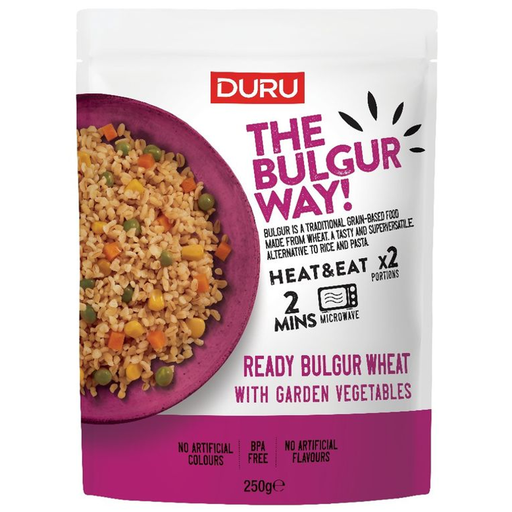
Why it suits this shopper: This ready-to-eat bulgur with vegetables is an easy way to try Turkish bulgur without having to stock up on a large bag of dry bulgur first.
The 250-gram portion means you won’t be left with a large, unused bag. It’s a heat-and-eat product, not dry bulgur that you need to measure out.
According to the product information, it contains Başbaşı bulgur, sweetcorn, peas and carrot. Takes around 2 minutes in the microwave or 3 minutes in a pan.
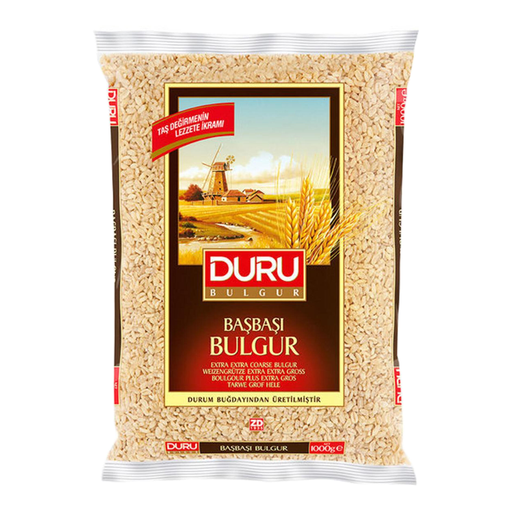
Why it suits this shopper: The extra-coarse grains give your dishes plenty of texture. It’s a good choice if you cook with bulgur regularly and want a clear distinction between fine bulgur and a hearty grain for pilav.
The Basbasi name makes it easy to identify the coarse grains. That way, you’re less likely to accidentally buy fine bulgur for a dish that needs more texture.
1 kg pack; according to the product description, it’s suitable for pilav, salads, soups and side dishes.
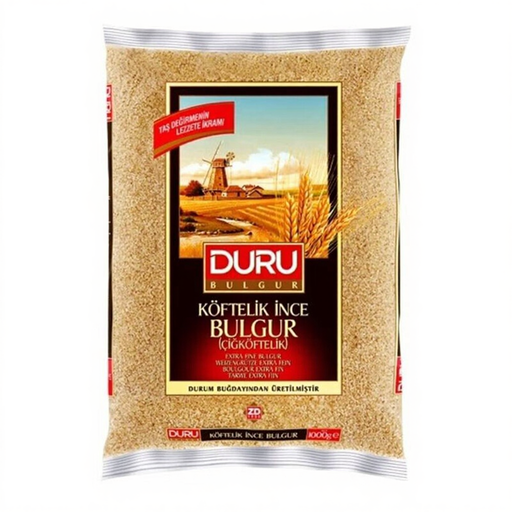
Why it suits this shopper: This fine bulgur is designed for recipes such as köfte and çiğ köfte, where small grains and good moisture absorption matter.
The product name clearly includes “ince” and “koftelik”. This helps you choose a fine variety rather than coarse bulgur for pilav.
Net weight: 1 kg; according to the product information, wheat is the ingredient and the product contains wheat as an allergen.
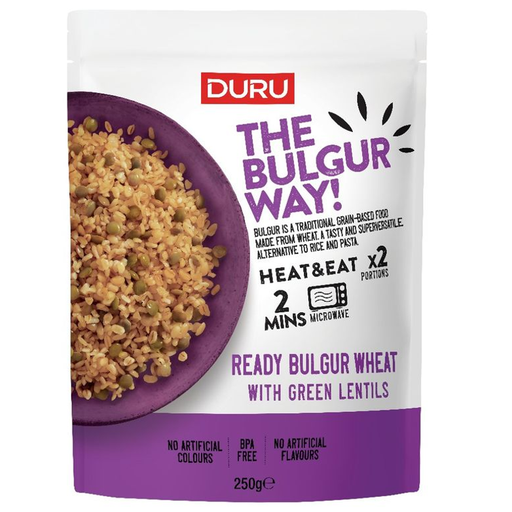
Why it suits this shopper: If you want a quick meal after work, this portion pack combines ready-to-eat bulgur and lentils.
There’s no need to cook the bulgur first or work out the water-to-grain ratio yourself. This product is designed to be heated up.
250-gram portion; according to the product information, it’s suitable for heating in the microwave or in a pan. Once opened, keep refrigerated and use within the stated period.
We’ve put together a complete, up-to-date list of products that meet these strict selection criteria and comply with current European safety regulations.
Usually, choose pilavlik bulgur, coarse bulgur or a variety labelled specifically for pilav on the pack. The grains will generally retain more of their shape as they cook. Check the cooking ratios on the packaging, as these can vary from product to product.
Fine bulgur absorbs moisture more quickly and is often used for köfte, çiğ köfte and salads. Coarse bulgur has more texture and is better suited to pilav, soups and hearty side dishes. Don’t automatically swap one type for the other without adjusting the cooking method.
Store dry bulgur in a cool, dry place away from direct sunlight. Seal the pack well after opening, for example in an airtight storage container. Once opened, store ready-to-eat bulgur in the fridge as directed on the label and use it within the stated period. Check the current storage and allergen information on the packaging each time you buy.
