
Livraison le jour même et le lendemain

Qualité garantie

Débloquez vos offres de bienvenue: Livraison GRATUITE | Jusqu'à -80 % | 30 jours d'essai gratuits à JoyPlus
Téléchargez l'application
If you’re looking to buy Turkish rice, you’ll quickly come across different types, brands and pack sizes online. A 1 kg bag might seem straightforward at first, but the grain variety largely determines how your dish turns out. Osmancik, Baldo, Tosya, pilav rice and basmati rice all have different structures and uses.
When comparing, don’t just rely on words like “authentic” or “rich in flavour”. Instead, pay close attention to the rice variety, net weight, ingredients and cooking instructions. This way, you’ll avoid buying a product that doesn’t suit your recipe or household.
“Turkish rice” is a broad description. Osmancik rice is a medium-grain variety often used for pilav and everyday meals. Baldo rice also has a firm, fuller grain and is frequently chosen for pilav or dishes where the rice needs a bit more body. Tosya rice is described in product information as a white, soft-cooking rice suitable for pilav, risotto and paella.
If you’re after loose, longer grains, it’s better to look at basmati rice or a pilav rice explicitly labelled as long-grain. So always check the product description rather than relying solely on the brand or picture.
A 1 kg bag of rice is practical for families and meal preppers, but only if you use it regularly. For a single-person household, a smaller pack or a product with a specific use might be more convenient. Compare the price per kilogram and also check the best-before date.
Store dry rice in a cool, dry cupboard, away from moisture and direct sunlight. Seal the pack properly after opening. Avoid using a damaged pack.
Rice, rice flour, rice pudding and soup mix are all different products. Rice flour is suitable for desserts, batters and thickening certain preparations, but it won’t replace grain rice in pilav. A ready-made Turkish yayla soup often contains rice along with yoghurt powder, wheat flour, herbs and salt. Always check the ingredients and allergens.
Choose based on the dish:
Pure rice usually lists just one ingredient, for example “100% Osmancik rice” or “100% rice”. That makes checking straightforward. With composite products, it’s different. Duru Large Rice Bulgur, for instance, contains wheat and gluten. So that product is not an alternative to rice if you need to avoid gluten.
Basak Rice Flour lists 100% rice flour and is described in the product information as naturally gluten-free. If you have allergies, always check the current label, as product information and recipes can change.
A 1 kg bag suits a household that eats rice several times a week. A 2 kg pack, such as Akash Basmatic Rice, can be worthwhile for heavy users, provided you have enough dry storage space. For a dessert or an experiment with rice flour, a smaller pack, like 250 g, is often more practical.
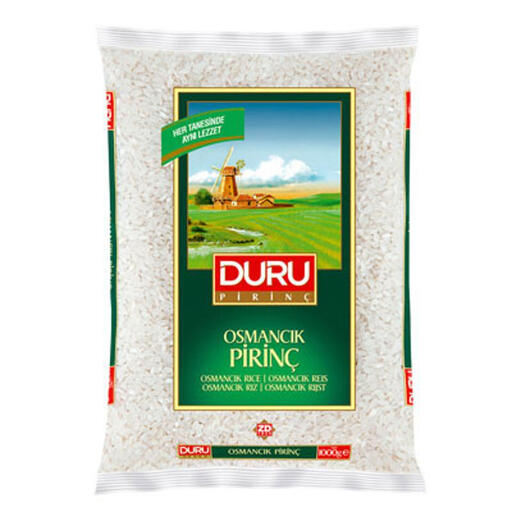
Why this fits the profile: A 1 kg pack is manageable for anyone buying Turkish rice for the first time and wanting to try different dishes.
The type and ingredients are clearly stated: 100% Osmancik rice. This means you won’t accidentally buy a composite rice mix.
Medium grain, 1 kg pack and, according to the product information, free from the 14 major EU allergens.
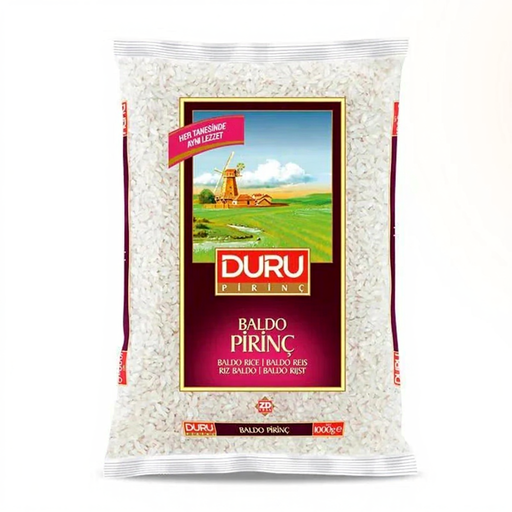
Why this fits the profile: Ideal for home cooks who specifically want a rice for pilav, risotto and other dishes where grain texture counts.
The product description names the variety and its uses, so you won’t confuse Baldo with basmati rice.
1 kg, Baldo variety and, according to the product information, suitable for pilav and risotto.
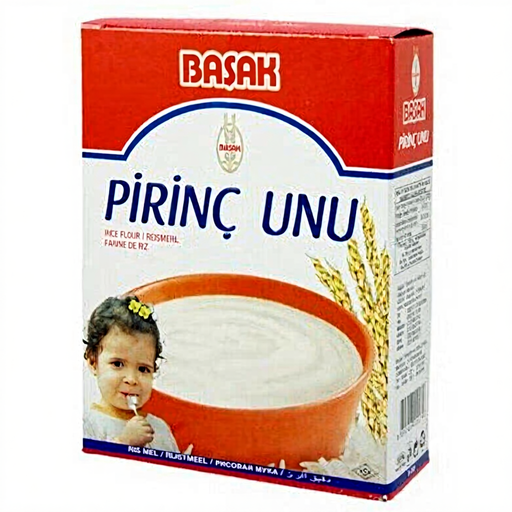
Why this fits the profile: Handy for anyone who bakes, makes desserts or uses rice flour as an ingredient in sweet and savoury recipes.
The 250 g pack stops you from buying a large bag of grain rice for a recipe that actually needs fine rice flour.
Fine texture, neutral flavour and, according to the product information, 100% rice flour.
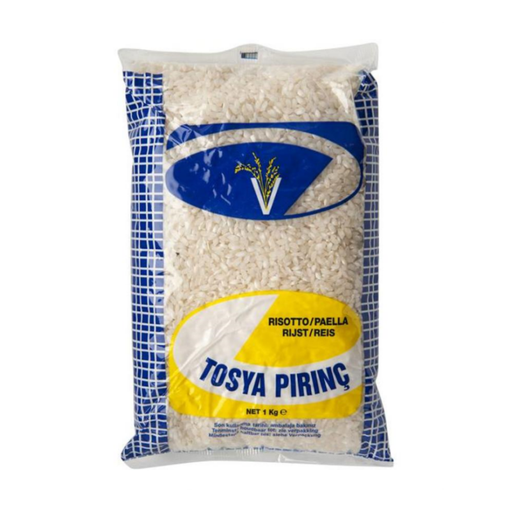
Why this fits the profile: The kilogram pack suits larger households and those who cook multiple portions of pilav in advance.
The description explicitly mentions Tosya and lists its uses. This makes the choice less dependent on general marketing terms.
1 kg, origin Turkey according to the product information and suitable for pilav, risotto and paella.
We’ve put together a full, up-to-date list of products that fully meet these strict selection criteria and current European safety regulations.
Alongside rice, related products can come in handy. Duru Large Rice Bulgur is a wheat-based bulgur and contains gluten; use it for pilav, salads, köfte or stuffing, not as a rice substitute if you have a gluten allergy. For a quick meal, Knorr Turkish yayla soup with rice, yoghurt and mint is an option. The ingredients include milk and wheat, so check the label if you have allergies.
For a dessert, you could choose Basak Rice Pudding, a mix for rice pudding that, according to the product information, serves four to six people. Please note: the ingredients include sugar, cornflour and possible traces of gluten, hazelnuts and milk.
Osmancik, Baldo, Tosya and pilav rice are all mentioned in product information for pilav. The final choice depends on the grain and softness you prefer. Always follow the cooking instructions on the pack and rinse the rice if the recipe advises it.
Basmati rice generally has a longer, slimmer grain and is often chosen for loose rice dishes. Turkish varieties such as Osmancik, Baldo and Tosya have different grain structures and are frequently used for pilav. Look at the specific variety, not just the country of origin.
Dry rice usually keeps well until the date on the pack, provided you store it dry, cool and tightly sealed. Before use, check the smell, colour and packaging. If there is moisture, pests or a damaged bag, do not use the product.
