
Vandaag of morgen in huis

Kwaliteit gegarandeerd

Welkomstaanbiedingen ontgrendelen: GRATIS bezorging | Tot 80% korting | Gratis 30 dagen JoyPlus-proefperiode
Download de app
Choosing a new coffee machine can be a daunting task. The market offers an overwhelming number of options, from fully automatic machines that make a cappuccino at the touch of a button to piston machines that put you in complete control. How do you know which appliance fits your needs and budget?
As a Joybuy Product Recommendation Officer, I'm here to guide you. In this article, we'll cut through the marketing jargon and focus on what really matters: the specifications and features that determine if a coffee maker is right for you. We'll discuss the most important considerations and highlight some popular choices for 2026.
Before you make a choice, it's helpful to consider a few key questions. Your answers will determine which type of machine is most suitable.
The choice between a fully automatic and a piston machine (also known as a semi-automatic or portafilter machine) is the first crucial step.
Are you a fan of a good cappuccino or latte? Then the way milk is frothed is a key consideration.
Each type of machine uses a different form of coffee, each with its own pros and cons.
Based on specifications and functionalities, we have selected a few interesting models for different types of users.
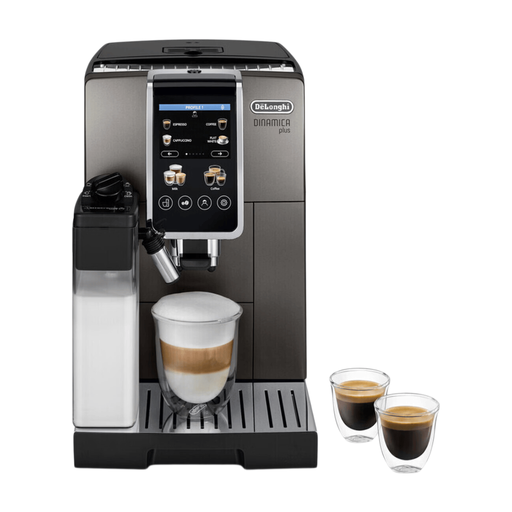
Why It Stands Out This fully automatic coffee machine from De'Longhi is designed for those who seek variety and convenience. With 24 pre-programmed drinks, from a strong espresso to a creamy latte macchiato, there's something for everyone. According to De'Longhi, the LatteCrema system ensures perfectly frothed milk with a single touch via the clear touchscreen.
Key Features
Who Is It For? This appliance is an excellent choice for families or households with diverse coffee preferences. If you're looking for a premium cappuccino machine that offers consistency and ease of use without needing to experiment yourself, the Dinamica Plus is a strong contender.
View the De'Longhi Dinamica Plus
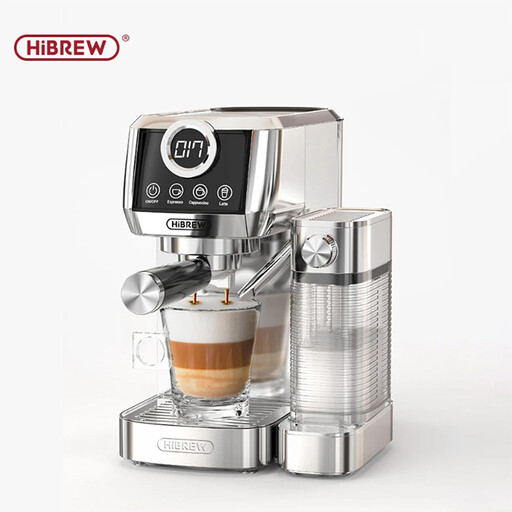
Why It Stands Out The HiBREW H13A is a semi-automatic espresso machine that bridges the gap between full control and modern convenience. The machine works with ground coffee and gives you the control of a piston machine, but it also features an automatic milk system. The 20-bar pump pressure is designed for optimal coffee extraction. Its dual boiler system allows you to brew coffee and froth milk simultaneously.
Key Features
Who Is It For? This machine is ideal for the coffee lover who wants to learn the basics of espresso making but doesn't want to sacrifice the convenience of an automatic cappuccino. It offers more control than a fully automatic machine but is more accessible than a completely manual one.
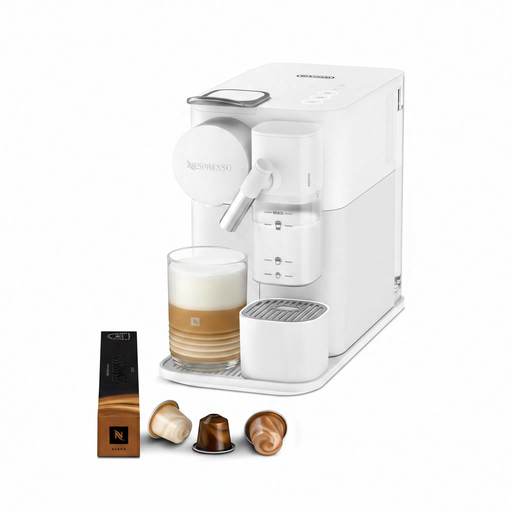
Why It Stands Out The Nespresso Lattissima One, manufactured by De'Longhi, is the definition of convenience. This compact Nespresso machine uses capsules for a quick and consistent cup of coffee. Its unique one-touch milk system is designed to use just enough milk for a single cappuccino or latte, which prevents waste. Its compact size makes it a popular choice for kitchens with limited space.
Key Features
Who Is It For? Perfect for those who want a good cup of coffee or a cappuccino in the morning without any fuss. If you value speed, consistent flavour, and a tidy countertop, a capsule machine like the Lattissima One is a logical choice.
View the Nespresso Lattissima One
Is an espresso-based machine not quite what you're looking for? For those who prefer a larger pot of coffee at once, a traditional drip coffee maker remains an excellent and reliable choice. Modern drip coffee makers often offer convenient features like a timer and a warming plate.
? Explore our range of Automatic Drip Coffee Makers
A fully automatic coffee machine grinds beans and brews coffee at the touch of a button. An espresso machine (or piston machine) requires more manual steps: you grind the beans yourself, fill and tamp the portafilter (piston), and manually start and stop the extraction. This provides more control, whereas a fully automatic machine offers more convenience.
For brewing a true espresso, a pressure of around 9 bars at the brew group is considered ideal. Many machines advertise a higher pump pressure (e.g., 15, 19, or 20 bars). This is the maximum pressure the pump can generate, which helps to maintain a stable 9 bars during the brewing process.
