
Vandaag of morgen in huis

Kwaliteit gegarandeerd

Welkomstaanbiedingen ontgrendelen: GRATIS bezorging | Tot 80% korting | Gratis 30 dagen JoyPlus-proefperiode
Download de app
Buying a box of coffee capsules seems simple, until you discover that the capsules do not fit your machine, the flavour is disappointing or you are mainly paying for sugar and milk powder in milk-based varieties. There is a wide choice of Nespresso capsules, Dolce Gusto capsules, coffee cups and espresso capsules. That makes clear product specifications more important than eye-catching packaging or flavour promises.
Not every capsule fits every coffee machine. Capsules for the Nespresso system have a different shape from capsules for NESCAFÉ Dolce Gusto machines. Always check that the product page explicitly states that the capsule is suitable for your system.
The term compatible coffee capsules does not automatically mean that every capsule can be used universally. For example, a capsule suitable for Nespresso machines will not necessarily fit a Dolce Gusto machine.
An intensity rating, such as 7/12 or 12/13, usually refers to the coffee’s flavour, roast and body. It is not a direct indication of its caffeine content. Strong coffee capsules may taste darker, spicier or fuller-bodied without specifying the exact caffeine content.
If you prefer a milder cup, look for a lighter roast or an Arabica blend. For a bold espresso, blends containing Arabica and Robusta, or a higher intensity rating, may be suitable choices.
Cappuccino capsules and latte varieties often consist of multiple capsules: one for coffee and one for milk. Always check the ingredients list. Nestlé Cappuccino Light Coffee Capsules list milk powder, sugar and vegetable oils among their ingredients. g’woon Cafe Au Lait Coffee Capsules consist mainly of milk powder and instant coffee.
This makes these products convenient for quick preparation, but they are different from capsules containing ground coffee only. So do not compare just the price per pack; also consider the number of cups, preparation method and ingredients.
Check the system first:
A capsule may fit technically but still not be intended for the volume you normally drink. Use a lungo capsule with the amount of water recommended on the packaging, and do not adjust your machine’s settings without checking first.
The roast provides a useful indication of the flavour:
The bean composition also matters. 100% Arabica is often described as having fruity, smooth or aromatic notes. Robusta can provide more body and a more pronounced character. These are flavour characteristics, not a guarantee that everyone will have the same experience.
Store coffee capsules in a cool, dry place away from direct sunlight. Seal opened packaging properly to help prevent moisture and loss of aroma. Always check the allergen information for milk-based drinks. The product details for various cappuccino and latte varieties list milk and, in some cases, soya.
Also check the number of capsules and the weight. A pack of 40 capsules may be appealing for everyday use, while a box of 10 capsules is more convenient for trying a new flavour first. Check the use-by information on the packaging before buying a larger supply.
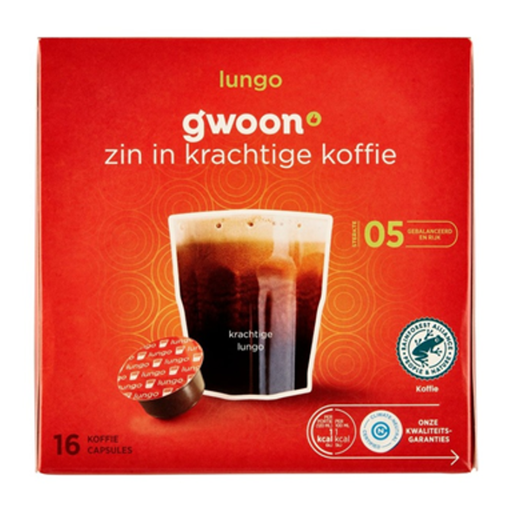
Why it suits this profile: A straightforward pack of 16 capsules is ideal for anyone wanting to try a daily lungo without immediately buying a large multipack.
The product information lists ground coffee and 16 capsules. Before buying, check that the machine compatibility shown on the packaging or product page matches your machine.
16 capsules, 112 grams of contents and a lungo format for a longer cup.
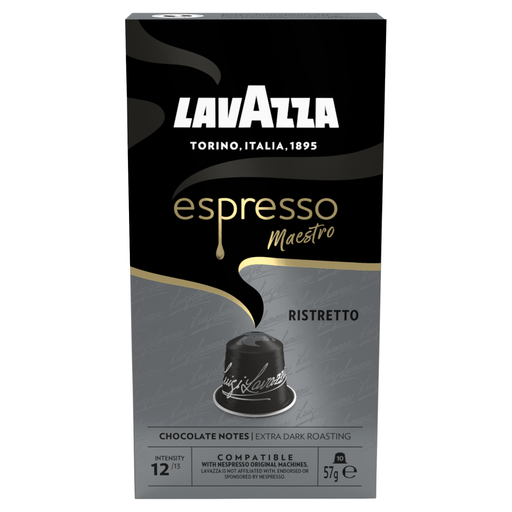
Why it suits this profile: For anyone looking for a short, distinctive espresso with an Arabica and Robusta blend and chocolate and caramel notes.
The packaging explicitly states Nespresso compatibility, ristretto preparation and intensity 12/13. This makes the key details easy to check.
10 capsules, 57 grams of contents and ground coffee with no allergens from the 14 major EU allergens listed.
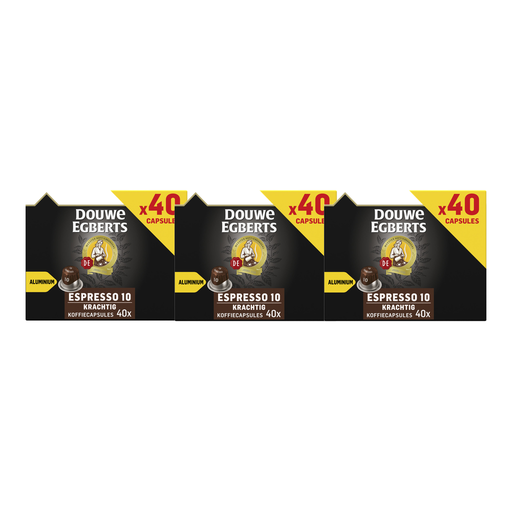
Why it suits this profile: A multipack is ideal for households where several espressos, cappuccinos or lattes are prepared every day.
The product information mentions a combination of Arabica and Robusta, a strong espresso and use in Nespresso coffee machines. Check the current contents of the bundle before buying.
A large supply, Robusta and Arabica blend, and 40 capsules per stated pack.
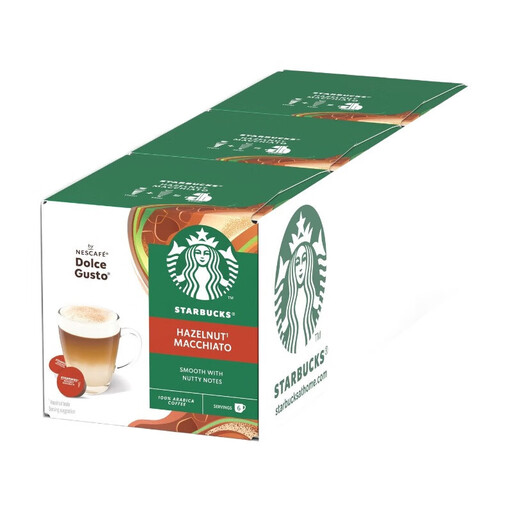
Why it suits this profile: This variety is designed for a Dolce Gusto machine and combines espresso with milk and a hazelnut aroma.
The description states Dolce Gusto compatibility and confirms the presence of milk. This makes it clear in advance that these are not capsules containing black coffee only.
6 capsules, 100% Arabica according to the product description, and milk powder as a key ingredient.
We have put together a complete, up-to-date list of products that fully meet these strict selection criteria and the applicable European safety regulations.
The price per box does not tell you everything. Divide the total price by the number of capsules and take the preparation method into account. A cappuccino pack using two capsules per cup produces fewer drinks than the number of capsules shown on the front might suggest. With a lungo or espresso using one capsule, the calculation is more straightforward.
Also look out for offers on larger quantities. These are only practical when you already know that you like the flavour and the use-by date gives you enough time to enjoy them. For a new brand or flavoured variety, a smaller pack is often a sensible first choice.
No. Check whether your machine uses the Nespresso system or another capsule system. Also see whether the product page explicitly refers to compatible Nespresso machines. If you are unsure, compare your machine model with the capsule’s usage information.
The use-by date is shown on the packaging. Store capsules in a cool, dry place protected from light and moisture. It is best to seal opened packaging properly. Do not use a capsule from damaged packaging.
Decaffeinated coffee usually still contains a small amount of caffeine; “decaf” does not automatically mean absolutely zero caffeine. Always check the product information and ingredients list. For milk-based varieties, also look out for allergens such as milk and lactose.
