
Vandaag of morgen in huis

Kwaliteit gegarandeerd

Welkomstaanbiedingen ontgrendelen: GRATIS bezorging | Tot 80% korting | Gratis 30 dagen JoyPlus-proefperiode
Download de app
A body oil can leave dry skin feeling supple, help retain moisture and complement your daily skincare routine. However, not every body oil is the same. One formula may be designed for quick application after showering, while another focuses mainly on fragrance, a glossy finish or caring for specific areas of skin.
If you only pay attention to words such as “intensive”, “natural” or “restorative”, you can easily end up paying more for a product that does not suit your skin or routine. Use these practical selection points to compare a moisturising body oil based on verifiable product information.
Terms such as oil for stretch marks, oil for scars or “firming” sound specific, but results vary from person to person. According to a brand’s own research or product information, a formula may help reduce the appearance of certain skin concerns; this does not guarantee that stretch marks, scars or pigmentation will disappear.
So pay attention to the full description, ingredients and instructions for use. A product that needs to be applied daily and over a longer period also requires a routine you can stick to.
A natural body oil may contain plant oils, as well as fragrances or essential oils. These ingredients are not automatically suitable for every sensitive skin type. Check the INCI list for parfum, limonene, linalool, geraniol and other fragrance allergens if your skin reacts easily.
A product with a short ingredients list also deserves careful consideration. According to the product information, HABA Additive Free Pure Roots Squalane contains only squalane, while other oils combine several fragrant plant extracts.
A 200 ml bottle may seem good value, but a dry oil used all over the body can run out more quickly than a concentrated oil that only requires a few drops. Compare volume, recommended amount, frequency of use and area of application. For example, a 30 ml face and body oil may be suitable mainly for small areas, rather than for daily head-to-toe use.
A classic oil forms a smooth layer and is useful for massage or dry skin that needs extra comfort. According to the product description, a dry oil or oil gel is often absorbed more quickly and feels less greasy. This is practical after showering, especially if you want to get dressed straight away.
Usually apply body oil to clean, slightly damp skin. This allows you to spread the oil evenly and often means you need less product. Always follow the instructions on the label.
For a body oil for dry skin, oils, emollient ingredients and ingredients that help retain moisture are relevant. Examples in the range include coconut oil, jojoba oil, macadamia oil, sea buckthorn oil, squalane and vitamin E.
Also look out for the following:
If you have sensitive or easily irritated skin, it is sensible to test a small amount on a limited area first. Do not use oil on damaged skin and stop using it if irritation occurs.
Check whether the oil is intended for the body, face and, where applicable, hair. Nuxe Huile Prodigieuse Or is described, for example, as a multi-purpose body oil for the face, body and hair, with a golden shimmer. This is different from a simple nourishing skin oil without shimmer.
Also check:
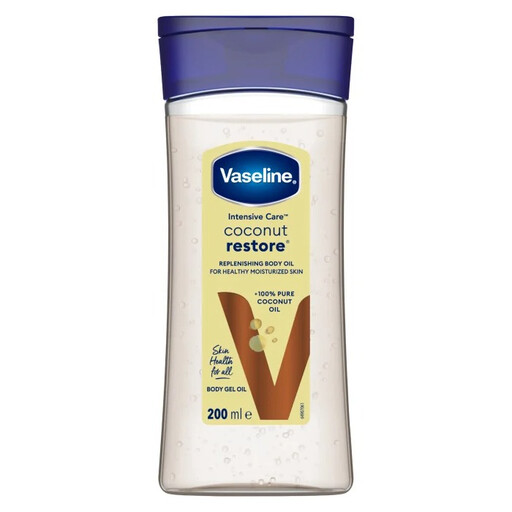
Why it suits this profile: The 200 ml oil gel is designed for daily use after showering or bathing. According to the product information, the formula is aimed at dry or dull skin and contains coconut oil and vitamin E.
The packaging clearly states the volume, ingredients and intended use. The oil gel is designed for quick absorption, so you do not have to rely solely on a premium-sounding claim.
200 ml volume; coconut oil and vitamin E listed; suitable for application to dry or slightly damp skin.
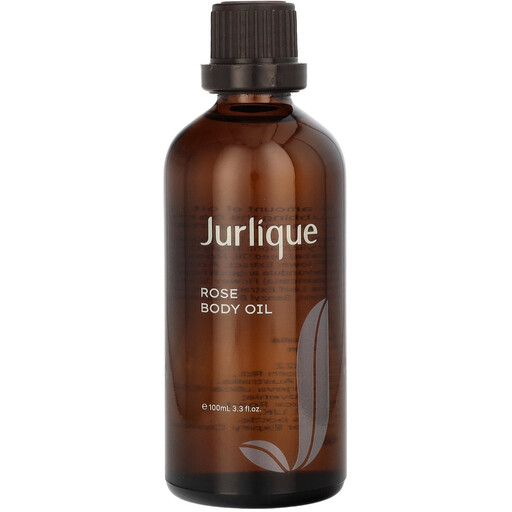
Why it suits this profile: This nourishing skin oil combines safflower, macadamia and jojoba oils with rose and plant extracts. The subtle floral fragrance is well suited to anyone who treats skincare as a moment of relaxation.
The ingredients list shows that fragrance and several fragrance allergens are present. This allows you to decide in advance whether it suits your skin preferences.
100 ml volume; use on damp skin after bathing or showering; combination of several plant oils and extracts.
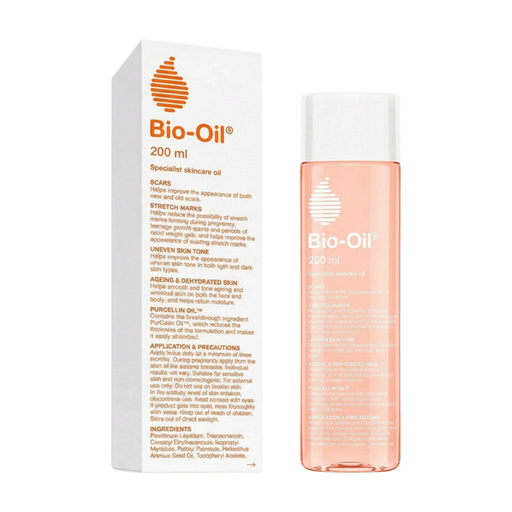
Why it suits this profile: According to the product information, this oil is intended to improve the appearance of stretch marks, scars, uneven skin tone and dry or ageing skin. The instructions recommend applying it twice a day for at least three months.
The instructions make it clear that consistent use is required and that individual results vary. This helps avoid expectations of an immediate or guaranteed effect.
200 ml volume; according to the product description, PurCellin Oil is used to provide a lightweight texture; suitable for the face and body.
We have put together a complete, up-to-date list of products that fully meet these strict selection criteria and the applicable European safety regulations.
Extra care is needed when using a pure essential oil, such as rose oil. Regina Roses states, for example, that the oil must be diluted with a carrier oil before being used on the skin. So do not apply this type of product directly as an ordinary body oil without following the instructions.
Yes, body oil can leave the skin feeling supple and help it retain moisture. The effect depends on the formula and how it is used. Applying it to slightly damp skin after showering is a common way to use it. If you have ongoing skin problems, advice from a doctor or pharmacist is more appropriate than relying on cosmetic claims.
Many products can be used this way, as long as your skin tolerates the formula well and the label permits daily use. If you have sensitive skin, pay particular attention to fragrance and essential oils. A dry oil or oil gel can be practical if you want to get dressed quickly every day.
The exact shelf life is stated on the packaging. Check the expiry date and the period-after-opening symbol, such as 6M. Store the bottle in a cool, dry place away from direct sunlight, and close the packaging securely after use.
