
Vandaag of morgen in huis

Kwaliteit gegarandeerd

Welkomstaanbiedingen ontgrendelen: GRATIS bezorging | Tot 80% korting | Gratis 30 dagen JoyPlus-proefperiode
Download de app
A body oil can make dry skin feel more comfortable and help it retain moisture after showering. However, not all body oils are the same. A dry oil for the face, body and hair has different properties from a targeted oil for stretch marks or a rich, nourishing body oil for very dry skin.
If you focus only on attractive packaging or terms such as “natural”, you may overlook several common pitfalls.
A natural body oil may contain plant oils, but it may also include fragrances or essential oils. These ingredients are not automatically suitable for sensitive skin. Always check the complete INCI ingredient list. Pay particular attention to parfum, limonene, linalool and other fragrance allergens if your skin reacts easily.
“Natural”, “vegan” and “dermatologically tested” also do not tell you exactly how your skin will respond to a product. Treat these terms as additional information, not a guarantee.
Products are regularly marketed as oil for scars, oil for stretch marks or oil for pigmentation marks. According to the product information, a cosmetic oil may make the skin feel smoother or help reduce the appearance of certain skin imperfections. However, results vary from person to person.
According to Bio-Oil’s own product information, the formula is intended to help reduce the appearance of scars, stretch marks and pigmentation marks. This is a cosmetic claim, not a guarantee that a scar or stretch mark will disappear. If you have persistent skin problems or are unsure about using the product during pregnancy, it is sensible to seek advice from a doctor or midwife.
A 200 ml bottle may seem good value, but a lightweight dry oil may need to be applied differently from a concentrated oil-gel formula. Also consider the packaging: a spray is convenient for larger areas of the body, while a dropper bottle gives you more control when applying oil to the face and hair. Check the shelf life and the period after opening stated on the packaging too.
A dry oil often has a lighter texture that absorbs quickly and feels less greasy. This is practical in the morning or when you want to moisturise just before getting dressed. A richer oil or oil-gel formula may feel more comfortable on very dry areas such as shins, elbows and knees.
Ideally, apply body oil to slightly damp skin after showering. This helps spread the oil more easily and often means you need less product. If you have sensitive skin, test a small amount on a limited area first.
Compare the first ingredients listed on the label. Plant oils such as jojoba, almond, marula, sunflower and argan oil each have a different texture. Mineral oil, squalane and oil-like emollients can create a smooth, protective layer without necessarily making the product feel “heavy”.
For sensitive skin, a short ingredient list and little or no fragrance are often practical criteria. According to the product information, HABA Additive Free Pure Roots Squalane contains only squalane and is available in a 30 ml size. This may be worth considering if you are looking for a simple oil for your face or dry patches.
Check the following before buying:
A cosmetic product sold in the European Union should state, among other things, an ingredients list, the responsible person, the volume and shelf-life information. Always check the label of the product actually delivered, as packaging may change.
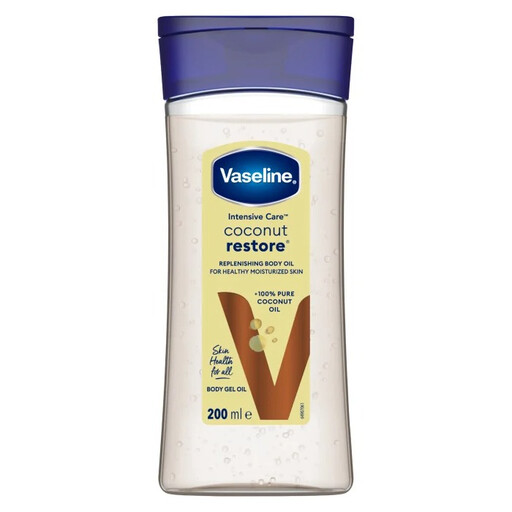
Why it suits this profile: The 200 ml size is practical for everyday use after showering, especially on the legs, arms and dry areas.
The product information clearly states the volume, directions for use and warnings. This means you are not buying it based solely on a general claim about hydration.
According to the product description, the oil contains coconut oil and vitamin E, has an oil-gel texture and is intended for use on clean, dry or slightly damp skin.
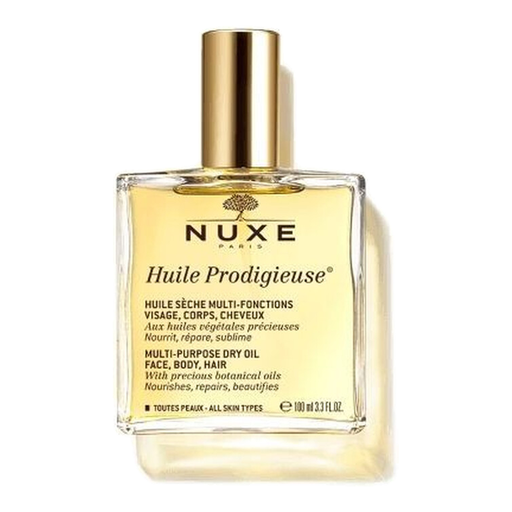
Why it suits this profile: According to the product information, this multifunctional dry oil is intended for the face, body and hair, with a spray bottle for quick application.
The areas of application and the texture are clearly described. This makes it clear that it is not simply a rich body oil, but is also marketed for the face and hair.
100 ml, spray format, dry texture and, according to the product information, a formula containing seven plant oils. The oil is also vegan and paraben-free according to the product specifications.
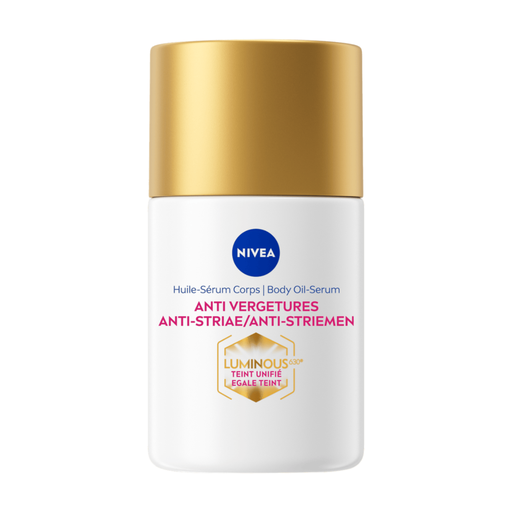
Why it suits this profile: This serum targets visible stretch marks and, according to the directions for use, should be applied and massaged into clean, dry skin every day.
The product information states a specific purpose, frequency of use and warning about perfume. According to NIVEA’s own research and product claims, results may vary from person to person.
According to the ingredients list, the formula contains Thiamidol, vitamin E and sunflower oil, among other ingredients. The product description states that it provides hydration for up to 48 hours.
We have compiled a complete, up-to-date list of products that fully meet these strict selection criteria and the applicable European safety regulations.
Yes, body oil can help skin feel soft and supple while limiting moisture loss. Apply the oil to slightly damp skin, preferably straight after showering. For very dry skin, a body cream containing moisturising ingredients such as glycerine or urea may work better as a base, with oil applied over the top as an additional treatment.
This depends on your skin type and the product. For daily maintenance, once a day is often practical. Products for stretch marks or scars may need to be applied more frequently according to their own directions for use. Massage the oil in gently and use no more than necessary; applying more product does not automatically mean better results.
Check the open-jar symbol, the best-before date and the instructions on the packaging. Store the oil in a cool, dry place away from direct sunlight, and keep it tightly closed. If the smell, colour or texture changes noticeably, stop using the product. If in doubt, follow the information on the packaging or provided by the manufacturer.
