
Vandaag of morgen in huis

Kwaliteit gegarandeerd

Welkomstaanbiedingen ontgrendelen: GRATIS bezorging | Tot 80% korting | Gratis 30 dagen JoyPlus-proefperiode
Download de app
The plant-based milk aisle has exploded in recent years. From oat milk to soy milk and almond milk, the options are overwhelming. But how do you know which one is right for your cappuccino, cereal, or recipe? Many packages promise a healthy and delicious experience, but the reality can be quite different. Before you make a purchase, it's wise to be aware of a few common pitfalls.
Many consumers are disappointed by:
This guide will help you avoid these issues and make a choice that fits your needs.
To make a good choice, you don't need to believe every marketing claim. Instead, focus on a few objective specifications on the packaging.
The term "plant-based" doesn't automatically mean "sugar-free." Many manufacturers add sugar to improve the taste. Check the nutritional information table under "carbohydrates, of which sugars." A product with 0 grams of sugar is the clearest choice. Look for terms like "unsweetened" or "no added sugars" on the packaging. This ensures that any sweetness comes naturally from the main ingredient.
For a creamy cappuccino or latte, a stable layer of foam is essential. This is primarily determined by the drink's protein and fat content.
Check the label: a fat content of around 3% and a protein content of at least 1% is a good indicator of frothability.
A short and clear ingredient list is often a good sign. Besides water and the main ingredient (e.g., oats, soy, almonds), you'll often find the following:
Based on objective product features, we've selected a few options that suit different user profiles.
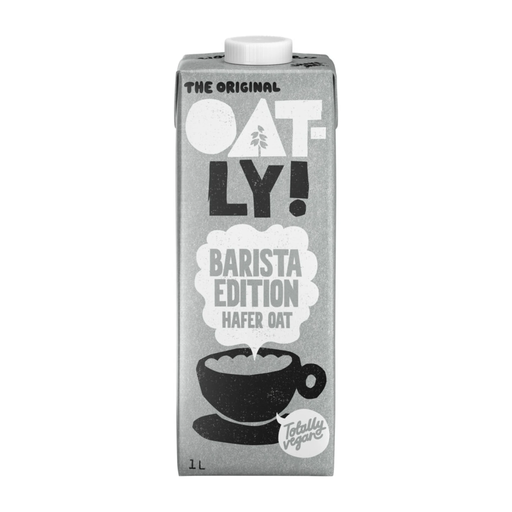
Why This Fits Their Persona: Specially developed for those who want to make the perfect cappuccino or latte at home. The flavour is neutral and doesn't overpower the coffee.
This barista milk is formulated with a higher fat content (3%) and an acidity regulator, which prevents it from splitting and helps produce a stable, creamy foam. No more failed cappuccinos.
Creates excellent microfoam for latte art. Fortified with calcium and vitamins (D2, B2, B12).
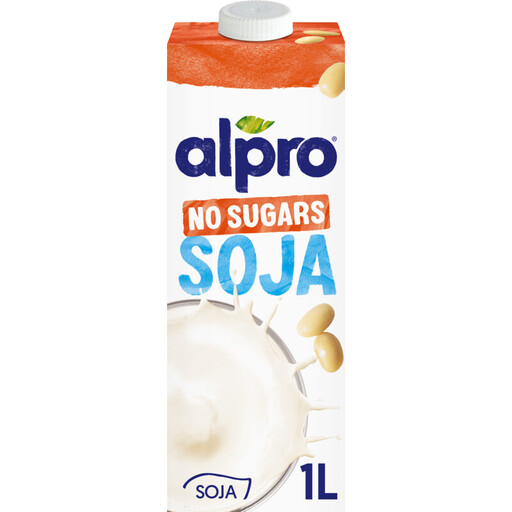
Why This Fits Their Persona: Ideal for those seeking a pure, nutritious, and versatile vegan milk without unnecessary additives. Perfect for smoothies, cereals, and cooking.
With 0 grams of sugar and a short ingredient list, this product bypasses the hidden sugar trap. You get what you see: a pure soy drink.
Rich in plant-based protein (3.3 g/100 ml) and fortified with calcium and vitamins (B2, B12, D2). A solid foundation for a nutritious diet.
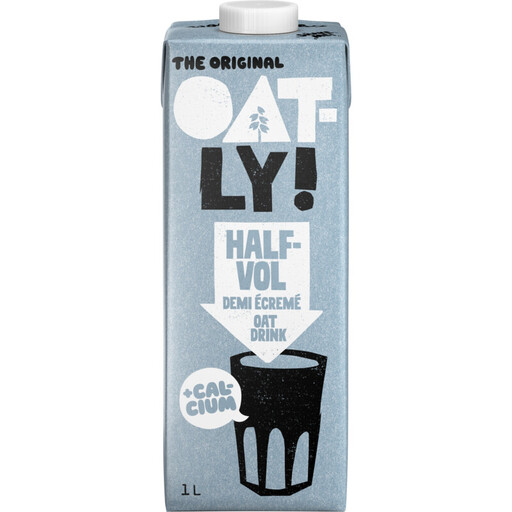
Why This Fits Their Persona: A versatile oat milk that's great for drinking on its own, but also works well in cereals, smoothies, and simple recipes. A reliable choice for daily use.
With 10% oats and a balanced formula, this product avoids the "watery texture" trap. It offers a creamy, but not too heavy, taste experience that won't disappoint.
Low in fat (1.5%) and fortified with a range of vitamins and minerals, including iodine. The flavour is mild and versatile.
We've compiled a complete, up-to-date list of products that meet these selection criteria and current regulations.
For the best frothing results, it's best to choose a product specifically labelled as "barista edition". These versions, often based on oat milk or soy milk, contain a higher percentage of fat and protein and are formulated to create a stable, creamy microfoam ideal for latte art.
Whether plant-based milk is a healthier choice depends on the specific product and your personal needs. Unsweetened, fortified varieties can be an excellent alternative, especially for people with lactose intolerance, a dairy allergy, or those following a vegan diet. It's always advisable to check the label for sugar content, protein levels, and added vitamins and minerals to make an informed choice.
Once opened, plant-based milk should be stored in the refrigerator. Most varieties will last for 5 to 7 days. The exact shelf life can vary by brand and type, so always check the instructions on the packaging for the manufacturer's specific advice.
