
Same-day & Next-day Delivery

Quality Guaranteed

Unlock Your Welcome Offers: FREE Delivery | Up to 80% OFF | Free 30-day JoyPlus trial
Download the APP
An evening of Chinese fondue, better known as hotpot, guarantees a wonderful, social experience, with a bubbling pot of broth on the table, surrounded by small dishes of fresh vegetables, thinly sliced meats and, of course, an assortment of hotpot balls. But anyone who has ever stood in the freezer aisle of an Asian supermarket knows that the choice is overwhelming, and not every option turns out well.
Before you fill your shopping basket, it's wise to consider a few common pitfalls. This will help you avoid disappointment at the dinner table.
Asian meatballs is completely absent.hotpot mix bag, only to discover that all the balls taste and feel virtually the same. The promised variety is purely visual.Fortunately, you can easily avoid these mistakes by paying attention to a few specific details.
A successful hotpot experience starts with reading the packaging. Not the marketing slogans, but the specifications. Pay close attention to the following three points.
This is perhaps the most important indicator of quality. A higher percentage of meat or fish typically means a richer flavour and a better texture. Manufacturers are required to state the percentage of characterising ingredients (Quantitative Ingredient Declaration, or QUID). Look for statements on the ingredients list like "Beef (65%)" or "Squid (80%)". A ball with a high percentage of its main ingredient will be less reliant on starch as a filler and will have a fuller, more authentic taste. This applies to beef balls, fish balls for hotpot, and every other variety.
In Asian cuisine, a springy, slightly elastic texture is highly prized. This is often described as 'Q' or 'QQ'. This texture is created through specific ingredients and production techniques. For beef balls, the addition of beef tendon, for example, can provide a firmer, more 'chewy' bite. For squid balls, a high percentage of squid creates that signature springiness. If the description mentions a "firm and springy texture," that's a good sign.
Not all balls are solid. There is a whole category of filled meatballs that provide a surprise. A well-known example is Fuzhou fish balls: balls of fish paste with a savoury filling of pork mince. Beef balls are also sometimes available with a juicy, soup-like filling. These variants add an extra dimension to your Chinese fondue. Decide in advance whether you're going for a pure flavour or the surprise of a filling.
To help you get started, we've highlighted some popular choices and matched them to different preferences.
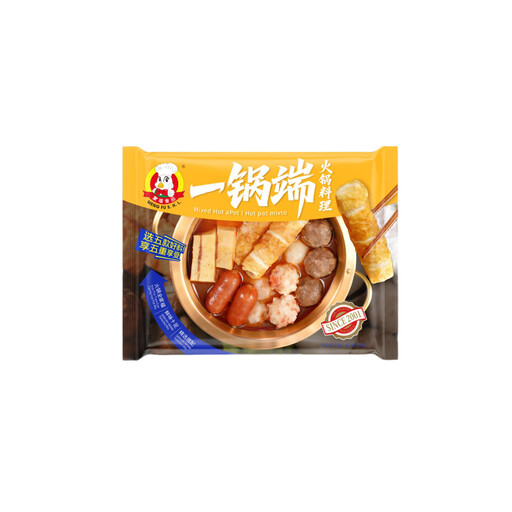
Why This Fits Their Persona: Ideal for those hosting a hotpot for the first time or who simply love variety. You don't need to buy multiple separate bags to try different flavours and textures.
This mix bypasses the 'one-dimensional mix' pitfall by genuinely combining different products, such as beef balls, fish balls, and even mini sausages. Every bite is different.
Contains an assortment of 5 different types, including balls made from beef, fish paste, and pork. A convenient all-in-one solution.
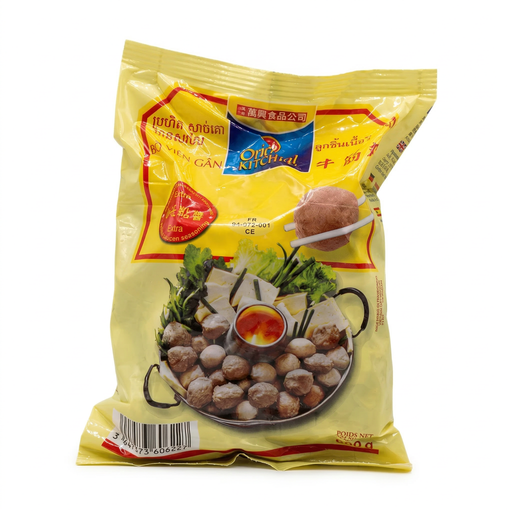
Why This Fits Their Persona: For the hotpot enthusiast for whom texture is just as important as flavour. This person seeks that authentic, firm, and springy 'bite' characteristic of traditional beef balls.
This product prevents the texture letdown. The addition of beef tendon provides a noticeably firmer and more elastic structure than that of standard meatballs.
Made with beef and beef tendon for a distinct "springy, firm, and chewy texture". The rich beef flavour makes it a favourite for broth or noodle soup.
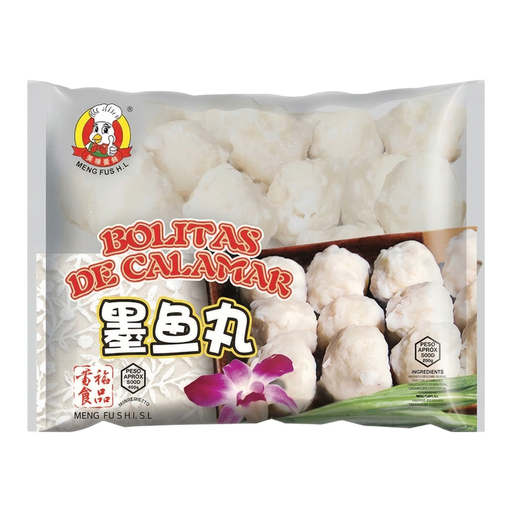
Why This Fits Their Persona: Perfect for those who prefer the flavours of the sea. These balls are an excellent choice for a fish or seafood broth and offer a lighter, yet flavourful option.
This product tackles the "more filler than flavour" trap head-on. With an impressive 80% squid content, you can be sure you're getting the pure taste of squid, not a starch-filled ball.
Very high squid percentage for an intense flavour and a firm, springy texture. Versatile for use in hotpot, soup, or even on the barbecue.
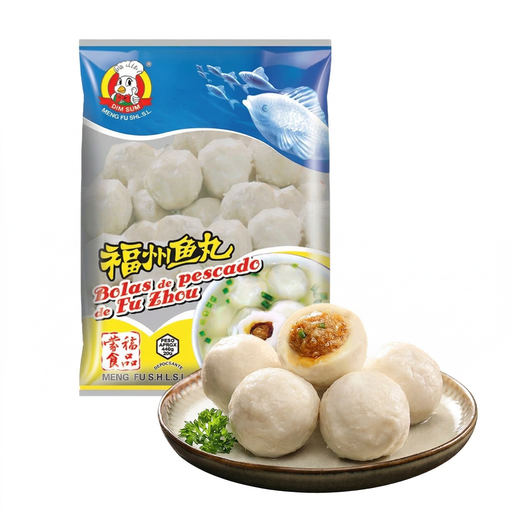
Why This Fits Their Persona: For the diner seeking a more complex flavour experience. A simple ball isn't enough; there must be an element of surprise. These traditional filled balls offer exactly that.
This product is the opposite of a bland, one-dimensional ball. The combination of a soft fish paste exterior and a savoury pork mince filling creates a layered flavour and texture.
Authentic Fuzhou fish balls with a juicy filling. The combination of fish, pork, and squid in the ingredients list ensures a complex and savoury taste.
We have compiled a complete, up-to-date list of frozen hotpot ingredients that meet these selection criteria.
No, in most cases, this is not necessary and even undesirable. Most frozen hotpot ingredients are designed to go directly from the freezer into the boiling broth. This helps to maintain their texture and shape. To be sure, always check the preparation instructions on the packaging.
The cooking time varies by type and size, but a good rule of thumb is 3 to 8 minutes. A useful sign that they are cooked is when they float to the surface of the broth. Let them cook for another minute after that to ensure they are heated through, especially with filled varieties.
The biggest difference lies in the texture and preparation. Western-style meatballs are often soft in texture and meant for frying. Asian meatballs are made using a different process, often with the addition of starch, which results in a much firmer, springy ('bouncy') texture. They are specifically developed to be cooked in soup or broth without falling apart.
