
Vandaag of morgen in huis

Kwaliteit gegarandeerd

Welkomstaanbiedingen ontgrendelen: GRATIS bezorging | Tot 80% korting | Gratis 30 dagen JoyPlus-proefperiode
Download de app
Putting a hotpot on the table is simple, but choosing the right beef for hotpot takes a bit more care. Many packs use terms like “premium”, “restaurant quality” or “extra tender”, yet it’s not always clear which cut, slice thickness or quantity you’re getting. As a result, the meat can be too thick, dry out quickly or fall apart awkwardly in the pot.
When buying, focus on three key points: slice thickness, beef cut and storage. That way, you can compare thinly sliced beef based on verifiable information rather than marketing claims alone.
For shabu shabu and hotpot, you want beef slices that cook quickly. A thickness of around 1 to 1.2 mm is practical when you dip the meat briefly into boiling broth. Slices of about 2 mm, as with sukiyaki beef, have more bite but need slightly longer.
If the slice thickness isn’t on the pack, it’s harder to predict how the meat will behave in the pot. “Thinly sliced” can mean different things from one brand to another.
Ribeye, short rib and Wagyu beef generally contain more fat than leaner cuts. That can give a rich flavour, but it also makes the broth richer. If you want a lighter meal or add lots of vegetables and noodles, you might be better off with a leaner or less fatty option.
So check the nutritional values per 100 g. In the range, the stated fat values vary from 2 g for thinly sliced beef from the neck to 25 g for sliced Wagyu A5.
Frozen beef must be stored frozen according to the product information, usually at –18 °C or below. Don’t leave it out at room temperature for longer than necessary, and never refreeze thawed meat. Some products are intended to be prepared straight after thawing; others state that they can be cooked from frozen.
A pack of 400 to 500 g is handy for a smaller group. For a family or an evening with several side dishes, 800 g to 1 kg may be more practical.
Thinly sliced meat only needs a short time in boiling broth. Always follow the pack instructions. Product descriptions for various sliced options advise cooking the meat until it changes colour and is fully cooked. It is not intended to be eaten raw.
Ribeye beef contains 9.4 g of fat per 100 g according to the product information and is sliced at 1.2 mm. That makes it interesting for those who enjoy a fuller flavour.
Beef from the neck is listed with 2 g of fat and 22 g of protein per 100 g. The slices are 2 mm thick and aimed at sukiyaki hotpot.
Short rib contains more fat and is available with or without the bone, depending on the variant. So check whether you want bone-in slices for extra texture in the dish, or boneless slices for convenience.
Wagyu A5 is a smaller 200 g pack with a relatively high fat content. According to the product description, it is thinly sliced Japanese Wagyu beef for shabu shabu. This is mainly a choice for a special meal, not necessarily for large groups.
Look at the country of origin, the ingredients list and the allergen information. Different products are stated to be 100% beef. Other products may have salt added, for example. For halal beef, a clear halal label is important; the Kinda Hotpot Beef Rolls 800g are offered as halal and state 100% British beef.
An allergen-free claim does not mean that every product in every kitchen is completely free from cross-contact. So always read the pack and the current product information before purchasing.
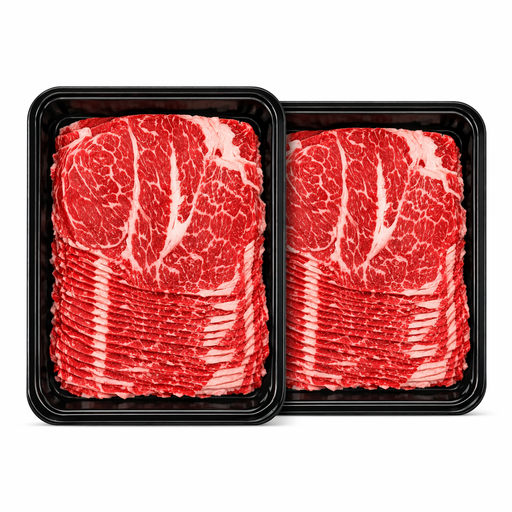
Why it fits this profile: The two 500 g packs are practical for a family or multiple hotpot meals. The 1 mm slices are ideal for quick cooking.
The product information states the exact slice thickness, quantity and ingredients: 100% beef.
1 mm thick; 2 x 500 g; stated nutritional value of 135 kcal per 100 g.
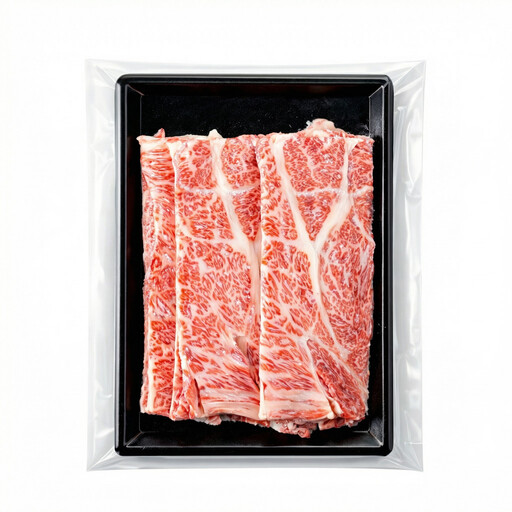
Why it fits this profile: This small pack is ideal for a special shabu shabu meal where the beef variety takes centre stage.
The product page states the type, origin, portion size and nutritional values, so you can weigh up the higher fat content.
Japanese origin according to the product information; 200 g; suitable for shabu shabu.
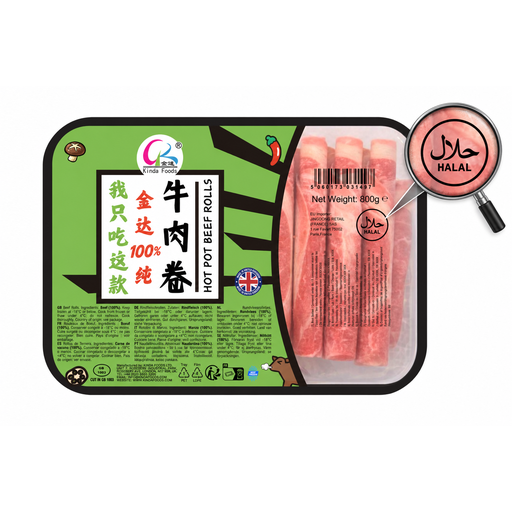
Why it fits this profile: The 800 g quantity suits larger groups and the product listing includes a halal designation.
The description mentions 100% beef, British origin, halal and uniform slices. Check the pack on delivery.
800 g; thinly and evenly sliced according to the product description; halal designation.
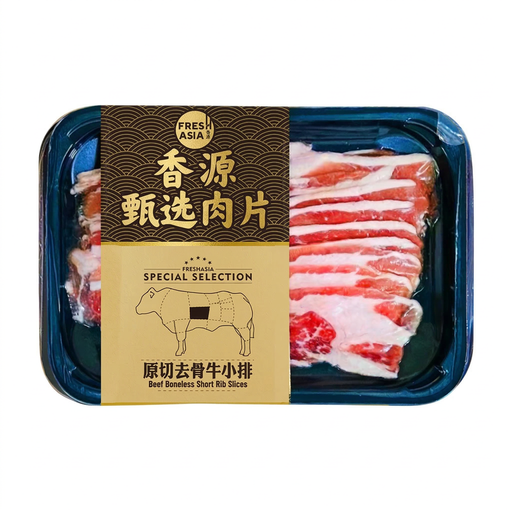
Why it fits this profile: The boneless short rib slices are suitable for hotpot, grilling and frying. That makes them versatile for multiple dishes.
The product information explicitly states the beef cut, weight and fat content of 18.2 g per 100 g.
Boneless short rib; 200 g; suitable for hotpot, grill and pan.
A good stock determines how much flavour the meat picks up. The HaoRenJia Hot Pot Soup Base for Beef and Lamb Slices 220g is intended for around 1.5 to 2 litres of boiling water, according to the product information. This base contains soya and wheat among other ingredients and states a high salt content per 100 g. So check the allergen and nutritional information.
For those who like heat, there is a spicy version. According to the brand description, this base contains chilli and spices; the ingredients list also mentions soya, sesame, peanuts, milk and wheat. Use the recommended amount of water and adjust the strength to your taste.
We’ve put together a full, up-to-date list of products that fully meet these strict selection criteria and comply with current European safety regulations.
Choose thinly sliced pieces of around 1 to 1.2 mm. Angus, ribeye, chuck and other beef cuts can be suitable, as long as the slice thickness and cooking instructions are clearly stated. Dip the meat briefly into a boiling broth and cook it fully according to the pack instructions.
As a practical guide, allow around 200 to 300 g of beef per adult when you’re also serving vegetables, tofu, noodles and dumplings. For big eaters or a meal with few side dishes, you’ll need more. Also check the net weight per pack.
That depends on the product. Some product descriptions advise cooking from frozen, while others require you to thaw it fully in the fridge first. Always follow the label. Keep the broth boiling vigorously and only eat the meat when it is fully cooked.
