
Same-day & Next-day Delivery

Quality Guaranteed

Unlock Your Welcome Offers: FREE Delivery | Up to 80% OFF | Free 30-day JoyPlus trial
Download the APP
Asian fish balls are handy for hotpot, noodle soup, broth and quick snacks. However, frozen fish balls vary greatly in composition, size, filling and cooking method. A budget-friendly bag isn’t automatically right for your dish.
Pay particular attention to three common pitfalls:
With the right product information, you can buy fish balls more purposefully and avoid ending up with a pack that sits unused in the freezer.
The stated fish percentage gives you an initial idea of the composition. For example, Wan Jiang Fish Ball 200g contains 50% fish meat according to the product information. Asian Pearl Panga Fish Balls lists 95% pangasius. These are clear differences in recipe and texture.
Also look out for ingredients such as:
A higher fish percentage doesn’t automatically mean you’ll prefer the taste. It does help you compare products more objectively.
For fish balls for hotpot, a firm, springy texture is practical. They need to hold their shape during cooking. Plain fish balls, squid balls and seafood balls are usually added straight from the freezer to the broth.
Fried varieties have a different exterior. The FRESHASIA Fried Fish Balls 200g and Freshasia Fried Taro Fish Balls 200g are described as suitable for frying, pan-frying, boiling or steaming. The taro version combines fish with taro and has a crispy coating when you re-fry it.
For noodle soup or a clear broth, smooth fish balls often work better. For a snack or finger food, a fried variety may be more logical.
Many packs contain fish balls 200 g, which is handy when you’re cooking for one or two people or want to combine several flavours. For families or regular hotpot meals, packs of 300, 400, 440 or 500 grams are more practical.
Frozen products should generally be stored at -18 °C or lower. According to the product information provided, you must not refreeze thawed products. On receipt, check that the pack is still properly frozen and always follow the cooking instructions on the label.
The selection below is based on verifiable data such as weight, ingredients, filling and cooking method. The nutritional values stated are per 100 grams, unless otherwise indicated.
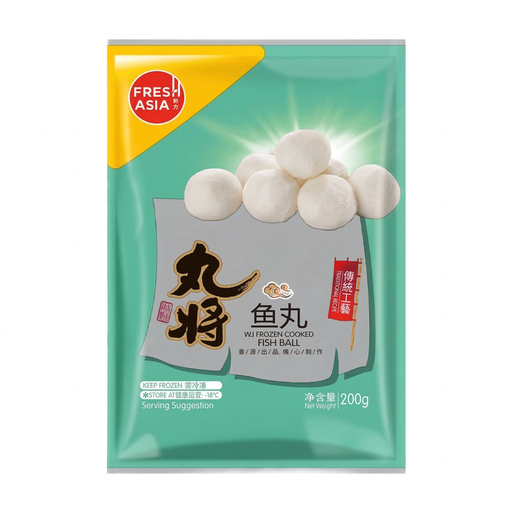
Why this fits the profile: A 200-gram pack is manageable for a first hotpot, soup or stir-fry. According to the product information, it contains 50% fish meat and can be cooked straight from frozen.
The fish percentage and allergens such as fish and soya are clearly stated, so you don’t have to rely solely on the product name.
200 g, 50% fish meat and suitable for hotpot, soup, stir-frying, deep-frying and pan-frying.
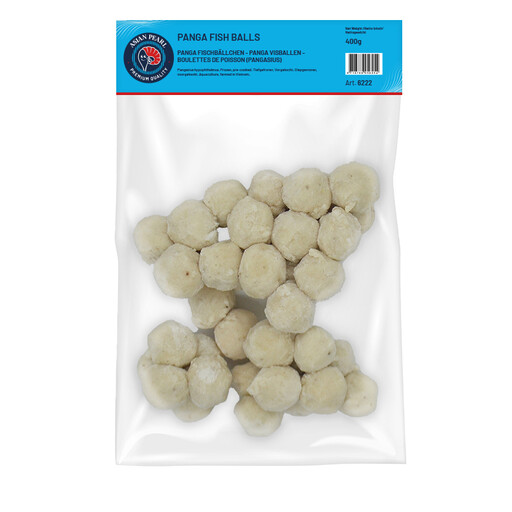
Why this fits the profile: This pack is suitable for anyone who makes soup or hotpot more often. The ingredients list states 95% pangasius, with herbs and spices for flavour.
The high stated fish percentage makes the composition verifiable and prevents you from choosing a product with unclear ratios.
400 g, 95% pangasius according to the ingredients list and 10.2 g protein per 100 g.
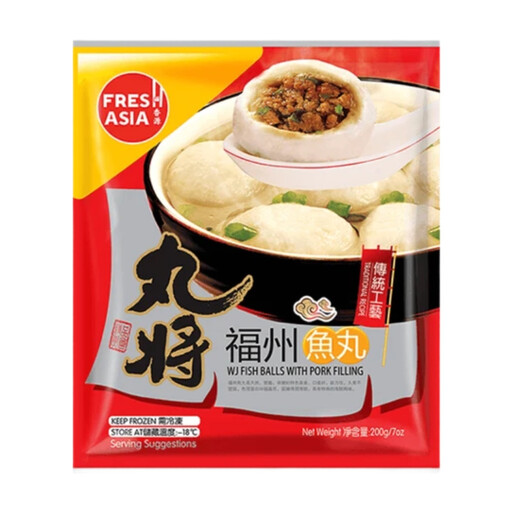
Why this fits the profile: These Fuzhou fish balls are intended for anyone looking for a filled variety. The product description mentions a fish paste with a pork filling, suitable for soup, noodles and hotpot.
The filling is explicitly described. This means you know to account for pork, wheat, soya and sesame as allergens.
Filled Fuzhou style, 200 g and cooking advice of 5 to 7 minutes in gently simmering broth.
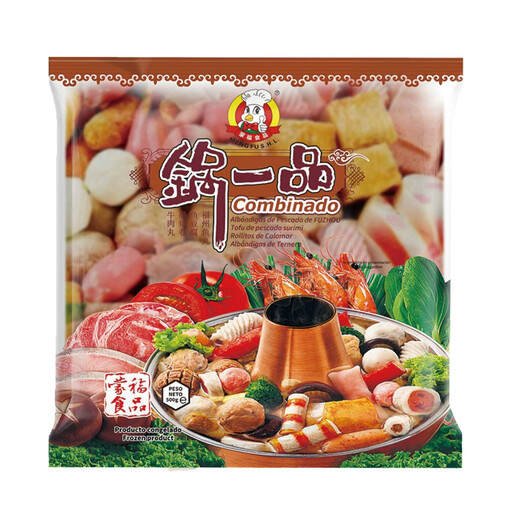
Why this fits the profile: This mix contains Fuzhou fish balls, filled pork balls, squid rolls and beef balls. That suits a larger hotpot with multiple flavours.
The four types are listed separately. So you’re buying a curated selection rather than several individual packs on a whim.
500 g, four varieties and cooked straight from the freezer for 5 to 7 minutes according to the product instructions.
We’ve put together a full, up-to-date list of products that fully meet these strict selection criteria and comply with current European safety regulations.
Most Asian fish balls can be cooked straight from the freezer. However, do note the difference between fully cooked and raw products:
With filled fish balls, such as some Chinese fish balls and Fuzhou varieties, floating alone is not enough as the only check. Give them the full recommended cooking time.
Fish balls may contain shellfish, molluscs, egg, soya, wheat, gluten, sesame or sulphites in addition to fish. This is especially true for filled and composite hotpot products. Always check the current packaging, even if you’ve bought the same product before. Recipes and labels can change.
That varies by product. In the product information provided, the instructions range from around 3 to 7 minutes. Add them straight from the freezer to gently simmering broth and check they are piping hot all the way through.
Yes. Many varieties are suitable for noodle soup, clear broth and hotpot. Fried fish balls become softer in soup, while smooth or filled varieties generally hold their texture better. Also check for allergens if you’re using the balls in a shared broth.
Store them at -18 °C or lower and keep the pack sealed until use. According to the product information, you must not refreeze them after thawing. For shelf life and further storage instructions, follow the label on the pack.
