
Vandaag of morgen in huis

Kwaliteit gegarandeerd

Welkomstaanbiedingen ontgrendelen: GRATIS bezorging | Tot 80% korting | Gratis 30 dagen JoyPlus-proefperiode
Download de app
Frozen hotpot balls are a handy option for a quick pan of soup, noodles or an Asian hotpot. However, they vary widely in ingredients, size, preparation method and allergens. A flashy packet or words like “authentic” don’t tell you much about what’s actually inside the bag.
If you’re buying frozen hotpot balls in the UK, it’s worth steering clear of three common pitfalls:
Ingredients are listed on the label in descending order. If it says fish 60% or beef 65%, that gives you a concrete point of comparison. It doesn’t tell you everything about taste or texture, but it does help you objectively compare different Chinese meatballs, fish balls and beef balls.
With stuffed meatballs, it’s also important to check what the filling is made of. A product might be a beef ball with a chicken-based broth filling, or a pork ball containing bacon and chicken. So don’t just rely on the name on the front.
Product descriptions often use terms like “firm”, “springy” or “bouncy”. These aren’t official quality standards, but they do indicate what the product is intended for.
Don’t compare packs on price alone – look at the quantity too. The range includes bags of 200 g, 250 g, 300 g, 360 g, 440 g and 500 g. A larger bag is especially practical if you use hotpot ingredients regularly.
Also keep an eye on the salt content. Oriental Kitchen Beef Tendon Balls list 1.4 g salt per 100 g, while Oriental Kitchen Beef Meatballs list 2.3 g salt per 100 g. That’s a noticeable difference. Nutritional values can vary significantly between varieties.
Check the allergen list too. Possible ingredients include:
If you’re unsure about an allergy or intolerance, the label on the pack is the definitive guide.
Most products should be stored at -18 °C or below. Don’t leave a pack out of the freezer for longer than necessary, and never refreeze a product once it has thawed.
The cooking method varies by product:
Use a clean spoon or tongs to avoid cross-contamination between raw and cooked ingredients.
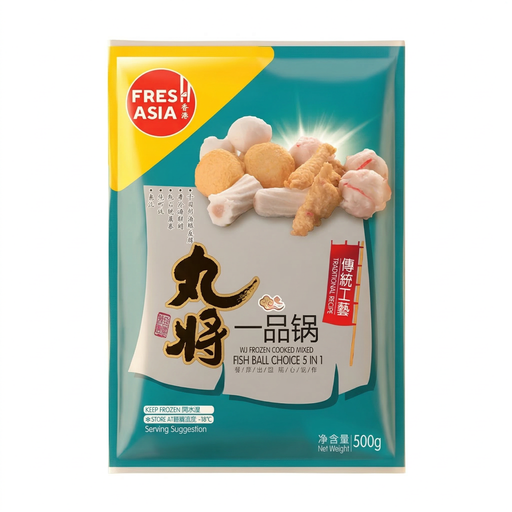
Why this fits the profile: The 500 g pack offers several varieties in one bag, making it ideal for a first hotpot, soup or noodle dish for multiple people.
The product information states 70% fish surimi and clearly lists the squid, soya, egg and wheat content. This means you can check the ingredients in advance.
500 g content, five varieties according to the product name, and suitable for hotpot, soup and stir-frying.
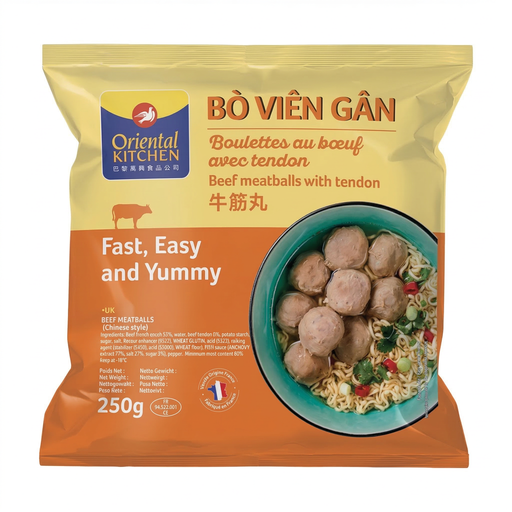
Why this fits the profile: Ideal for anyone specifically looking for the firm texture of beef with beef tendon in a smaller pack.
The ingredients list states 60% beef and 8% beef tendon. Fish is also listed as an allergen due to the fish sauce content.
250 g pack, 12 g protein per 100 g according to the product information, and suitable for hotpot, soup, noodles and stir-frying.
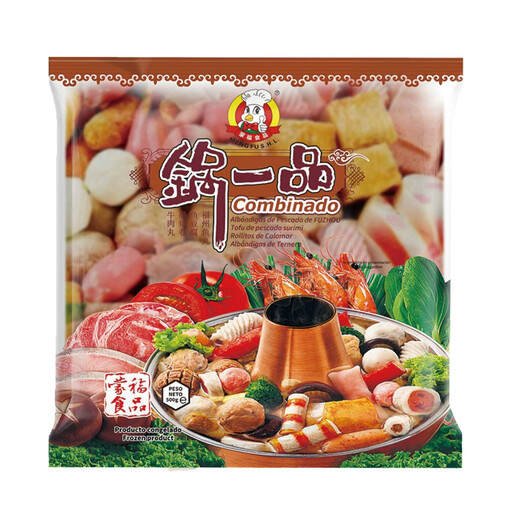
Why this fits the profile: This mixed bag is practical for regular hotpot meals where you want to combine fish, stuffed pork balls, squid and beef.
The ingredients and allergens are listed for each component. According to the instructions, the product can be cooked for five to seven minutes without thawing.
500 g assortment, four types of balls and cooking instructions recommending a core temperature above 75 °C.
We’ve put together a full, up-to-date list of products that meet these strict selection criteria and comply with current European safety regulations.
It depends on the product. According to the packaging, several varieties can go straight from the freezer into boiling water or broth. Others, such as some stuffed beef balls, need to be thawed first. Always check the instructions on the pack.
Many products have a guideline of around five to eight minutes. The exact time depends on the size, ingredients and whether the balls are frozen. Cook them all the way through and only serve once they are piping hot inside.
Keep them at -18 °C or below. According to the product information, they should not be refrozen once thawed. When they’re delivered, check the condition of the packaging and put the balls back in the freezer as soon as possible.
