
Vandaag of morgen in huis

Kwaliteit gegarandeerd

Welkomstaanbiedingen ontgrendelen: GRATIS bezorging | Tot 80% korting | Gratis 30 dagen JoyPlus-proefperiode
Download de app
When you buy frozen Asian products online, you’re usually looking to get a hotpot, noodle soup, stir-fry or snack on the table quickly. But an appealing product photo tells you little about the ingredients, cooking method or serving size. A product might, for example, contain a lot of starch when what you’re looking for is a firm meat or fish texture. Allergens such as soya, fish, egg, wheat and molluscs can also turn up unexpectedly.
Use these practical checks to compare frozen Asian ingredients, based on the information that should be available on the product page and packaging.
Terms such as “authentic flavour”, “rich texture” or “high meat content” are only useful when you check them against the ingredients list. Look for the percentage of meat or fish. According to its product specifications, Oriental Kitchen Beef Meatballs contain 65% beef. Freshasia Beef Balls list beef as an ingredient, but don’t give a separate percentage.
This difference matters if you’re looking for beef balls with a clearly specified composition.
Asian meatballs, fish balls and hotpot ingredients can contain things you might not expect. For example:
Always check the current packaging. Product information can change, and the packaging is the definitive source for allergen, storage and cooking information.
Not all products can be prepared in the same way. Some meatballs can go straight from the freezer into boiling water or stock. Other products, such as Freshasia Exploding Juice Beef Balls, need to be fully defrosted first, according to the product information.
Using the wrong cooking method can affect the texture and make it harder to cook the product all the way through.
Don’t just compare the price per pack; check the price per 100 grams too. A 200-gram bag is handy for a small bowl of noodle soup or a snack for one. For a family buffet or hotpot, 500-gram packs or a multipack of 2 x 500 grams are more practical.
Also check the difference between the product’s weight and the number of pieces. The size of the balls can vary in mixed hotpot ingredient packs.
The word “beef” can describe different products. Check whether you’re buying:
Lakovo Beef Balls With Tendons contain 62% beef and 6% beef tendon. Oriental Kitchen Beef Tendon Balls are made with beef and beef tendon, giving them a firm, chewy texture. This type is a better choice for anyone looking for that distinctive bite than for someone expecting a soft ball.
A storage temperature of -18 °C or below is a common specification for frozen products. Keep the product frozen until you’re ready to use it, follow the pack instructions and don’t refreeze it once it has defrosted.
For raw or partially cooked products, make sure you cook them thoroughly before eating. Check the specific instructions. For example, Freshasia Beef Balls should be boiled in stock for around 5 to 8 minutes. Mengfu Hot Pot Set says to cook the products straight from frozen for around 3 to 5 minutes, until they’re fully cooked and piping hot throughout.
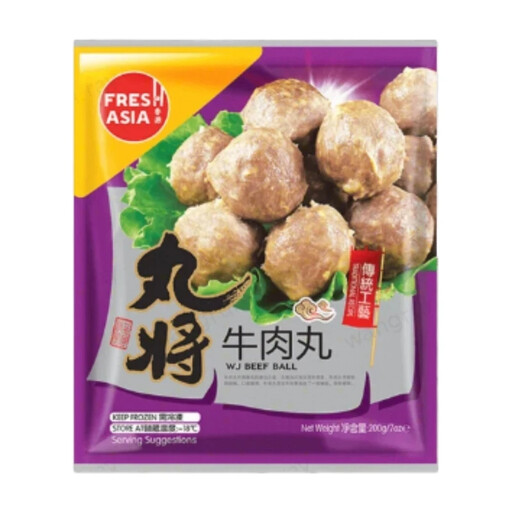
Why it suits this profile: The 200-gram pack is a manageable size for trying beef balls in soup, noodles or a small hotpot for the first time.
The product information lists the ingredients, allergens, nutritional values and clear cooking instructions. So you don’t have to rely on marketing claims alone.
200 grams; suitable for hotpot, soup, noodles and stir-fries; store at -18 °C.
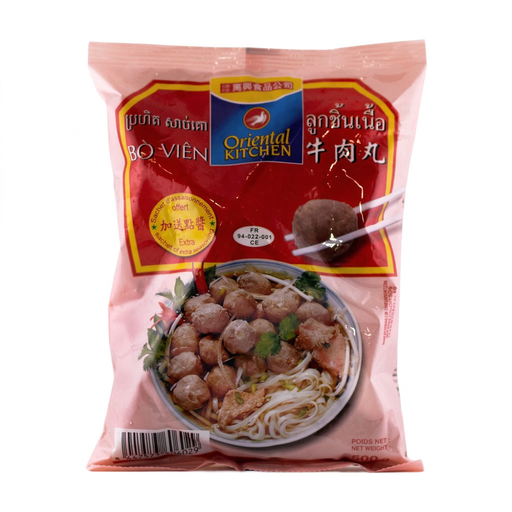
Why it suits this profile: This product lists a beef content of 65%, making it a good choice for shoppers who care more about composition and texture than simply finding the lowest price.
The stated percentage of beef makes it easier to compare with other products. Wheat and fish are also listed as allergens.
500 grams; 65% beef; suitable for hotpot, soup, stir-frying and grilling.
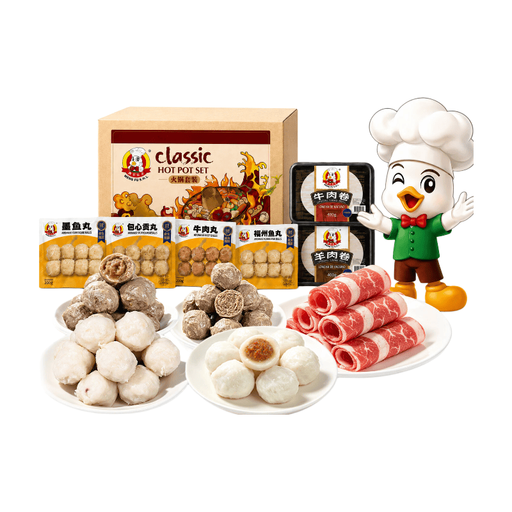
Why it suits this profile: This set combines lamb, beef, fish, pork and squid balls for a more varied hotpot, with a range of different textures.
The product specifications list the different ingredients and allergens, including fish, egg, soya, wheat, sesame and molluscs.
Ideal for sharing hotpot; cook straight from frozen; cooking time of around 3–5 minutes according to the product specifications.
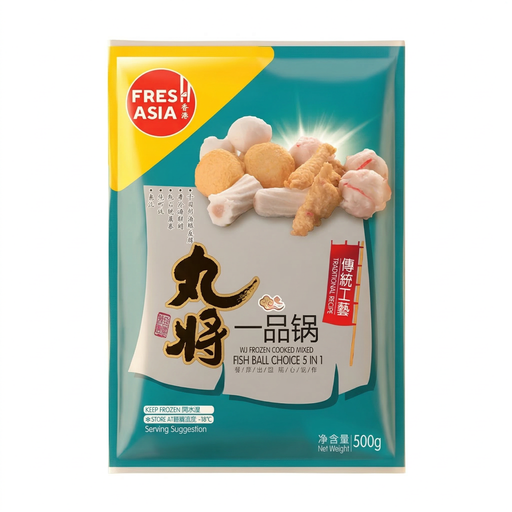
Why it suits this profile: With 70% fish surimi, a crab-like flavour and a little squid, these mixed fish balls are a good choice if you want more variety than standard fish balls.
The ingredients list specifies the type of fish, the 70% fish surimi content and the presence of soya, egg, wheat and molluscs.
500 grams; five varieties in one pack; ideal for hotpot, soup, stir-fries or as a hot snack.
We’ve put together a complete, up-to-date list of products that meet these strict selection criteria and current European safety requirements.
Put frozen Asian products in a freezer at -18 °C or below as soon as they arrive. Check that the packaging is intact, and don’t put products that have visibly defrosted back in the freezer. If in doubt, follow the instructions on the label.
For hotpot, you can add products labelled as suitable straight to boiling stock. Defrosting can sometimes make stir-frying easier, as it allows you to heat the product more evenly. Raw products such as pork balls, beef balls and some frozen seafood must be cooked thoroughly before serving.
The exact storage life is shown on the packaging. Keep the product at the specified temperature and follow the date and instructions provided by the manufacturer. Once defrosted, follow the stated refrigeration and use-by guidance.
It depends on the product. Mengfu Hot Pot Set says to cook it straight from frozen. Other products recommend defrosting first. Always check the cooking instructions and make sure the product is fully cooked.
Choose packs of 200 to 250 grams, such as Freshasia Beef Balls 200g or Oriental Kitchen Pork Meatballs 250g. That way, you won’t need to open a large pack when you only want to prepare one meal or a small snack.
