
Vandaag of morgen in huis

Kwaliteit gegarandeerd

Welkomstaanbiedingen ontgrendelen: GRATIS bezorging | Tot 80% korting | Gratis 30 dagen JoyPlus-proefperiode
Download de app
A suitable SPF 50 sun cream for your face needs more than just a high protection factor. The formula should also suit your skin type, daily routine and application preferences. A product that sounds ideal on paper may feel too greasy in practice, sting around the eyes or pill under make-up.
Marketing terms such as “invisible finish”, “waterproof” or “anti-ageing” are therefore not a reason to order immediately. First, look for verifiable information on the packaging and product page.
SPF mainly relates to protection against UVB rays, which can cause redness and sunburn. For daily protection against UVA, it is also important to look for an indication such as UVA in a circle, PA++++ or a clear statement of broad-spectrum UVA and UVB protection.
No facial sun cream stays exactly as applied all day. Sweating, swimming, drying yourself and friction reduce the protective layer. Reapplication is therefore still necessary.
A lightweight gel or fluid can feel pleasant on oily or combination skin, but may not feel moisturising enough on dry skin. A mineral formula containing zinc oxide may leave a slight cast on some skin tones. This is a normal consequence of the UV filter, not a defect.
Always check the ingredients, finish and usage warnings. For sensitive skin, fragrance-free sun cream is often a sensible first choice, although individual sensitivity can still vary.
Water resistance does not mean a product remains completely intact after swimming or exercising. What is more, not all facial sun creams are water-resistant. The Anua Heartleaf Silky Moisture Suncream, for example, explicitly states that it is not water-resistant. This is an important distinction for beach days or intensive outdoor use.
For daily use on the face, many consumers choose SPF 50 or SPF 50+. Also check the stated UVA protection. Products such as the iUNIK Centella Calming Vegan Moisture Sunscreen and various Korean sun creams state UVA and UVB protection and PA++++.
A higher factor does not mean you need to use less product. Apply a generous, even layer to your face, ears and neck. The product instructions may advise applying it 15 to 30 minutes before exposure.
The right finish depends on your skin type and routine:
Bear in mind that terms such as “anti-ageing”, “pore-refining” or “reduces pigmentation” may come from brand communications. According to a brand’s own research, such results may have been recorded under specific conditions; they are not a guarantee for every user.
A 40 or 50 ml bottle is practical for daily use, but will run out more quickly when applied generously than a 150 or 200 ml body product. A small size, such as the 12 ml Shiseido Anessa, is particularly handy for carrying in a bag or trying out a formula first.
Do not automatically use ordinary body sun cream as facial sun cream. It may feel heavier or contain fragrance. Check the ingredients list and stated application before buying.
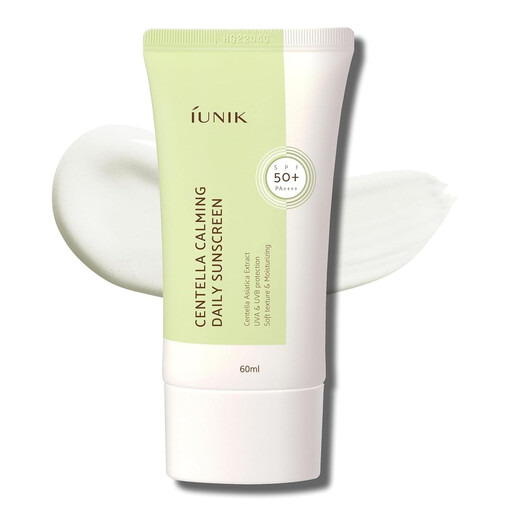
Why it suits this profile: The combination of SPF 50+, PA++++, a lightweight texture and fragrance-free formula makes this a practical starting point for everyday use.
The product description explicitly mentions UVA and UVB protection, a matte finish and no white cast. However, check the current packaging when you receive it.
60 ml size, fragrance-free formula according to the product information, and instructions to reapply after swimming or sweating.

Why it suits this profile: The milk texture and compact size are ideal for anyone looking to complement a premium Korean or Asian skincare routine with a portable option.
The description mentions a lightweight texture and water resistance. The small size also means you do not have to buy a large bottle before knowing whether you like the texture.
SPF 50+, milk formula, water-resistant product description and advice to reapply every 2 to 3 hours.
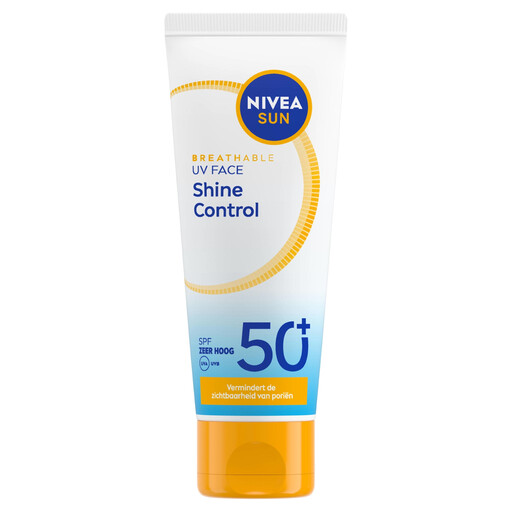
Why it suits this profile: If you spend a lot of time outdoors or want to wear sun cream under make-up, the fast absorption and mattifying finish described may be appealing.
The product information specifies a dry-touch, non-greasy formula and a mattifying effect. This can help with your choice, but the final result may vary depending on your skin type.
SPF 50, 40 ml size, fast absorption according to the description, and suitable for use under make-up according to the brand.
We have put together a complete, up-to-date list of products that fully meet these strict selection criteria and the applicable European safety regulations.
If you have sensitive skin, test a new sun cream on a small area first. Stop using it if redness, swelling, itching or other irritation occurs, and follow the safety information on the packaging.
Yes, SPF50+ facial sun cream is designed for daily use whenever your skin is exposed to daylight. Choose a texture you like, so that you continue to apply enough product consistently. Also check the UVA indication and usage instructions.
Check the shelf-life information, the period-after-opening symbol and the expiry date on the packaging. Store sun cream in a cool place away from direct sunlight. If the scent, colour or texture changes, stop using the product. A 40 or 50 ml bottle can run out relatively quickly with generous daily use.
Yes, but the results depend on the formula. A lightweight, fast-absorbing sun cream without a white cast is generally more practical under make-up than a heavy or highly glossy cream. Allow the sun cream to absorb fully before applying make-up carefully. During prolonged exposure, you need to reapply protection; make-up alone does not replace this step.
