
Vandaag of morgen in huis

Kwaliteit gegarandeerd

Welkomstaanbiedingen ontgrendelen: GRATIS bezorging | Tot 80% korting | Gratis 30 dagen JoyPlus-proefperiode
Download de app
A smart scale with body composition analysis seems like the ideal tool to achieve your health goals. It promises detailed insights into your body fat percentage, muscle mass, and more. However, the reality is often different. Many users become frustrated by inaccurate readings, useless features, and clunky apps. Before you invest, it's crucial to recognise the common pitfalls.
Many models on the market use outdated technology that provides an incomplete picture of your body composition. Furthermore, consumers are often tempted by an abundance of 'smart' metrics that add little practical value, while the accompanying app and data privacy policies leave much to be desired. This guide will help you see through the marketing hype and choose a model that genuinely adds value.
To avoid buyer's remorse, it's crucial to understand two technical specifications. These determine the accuracy and user-friendliness of your body composition scale.
Most smart scales use BIA (Bioelectrical Impedance Analysis). This method sends an imperceptible, weak electrical current through your body. Fat, muscle, and bone have different resistance levels, allowing the scale to estimate your body composition. However, the implementation of this technology varies significantly:
The way your scale syncs data has a major impact on its ease of use.
For both types, always check the reviews of the companion app and the manufacturer's privacy policy. After all, you are sharing personal health data.
Based on objective specifications, we have selected a few popular choices that suit different user profiles.
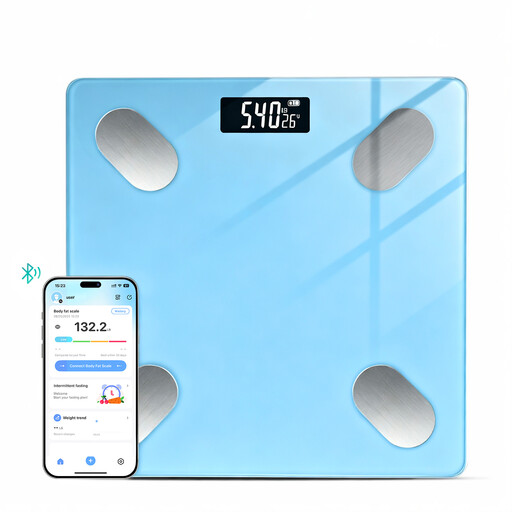
Why This Fits Their Persona: Ideal for those starting to monitor their health data without a major investment. This Bluetooth scale with app provides the essential body analysis features to gain insight into your progress.
This model focuses on core metrics. You're not paying for an abundance of calculated, less relevant data, but getting a solid foundation for tracking your health.
According to the manufacturer, it tracks 13 key metrics via the OKOK app, including weight, BMI, and body fat percentage. Supports multiple user profiles.
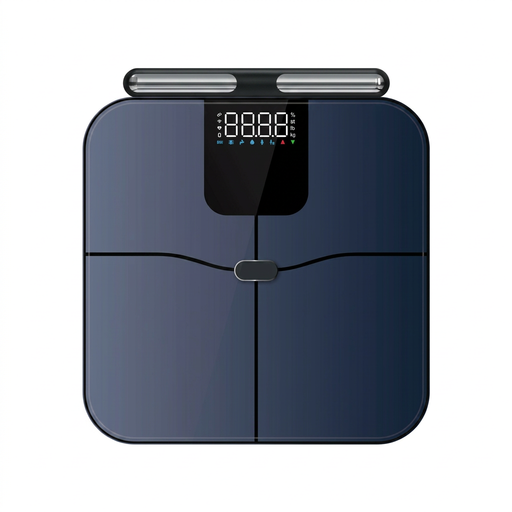
Why This Fits Their Persona: For athletes who want to optimise their training and diet based on precise, segmented data. This is an advanced scale for athletes.
This 8-electrode scale addresses the inaccuracy of standard models by measuring arms, legs, and torso separately. This eliminates guesswork and provides a more reliable picture of your body fat percentage and muscle mass.
Utilises dual-frequency BIA technology for an analysis of 5 body segments. Features both Wi-Fi and Bluetooth for automatic synchronisation.
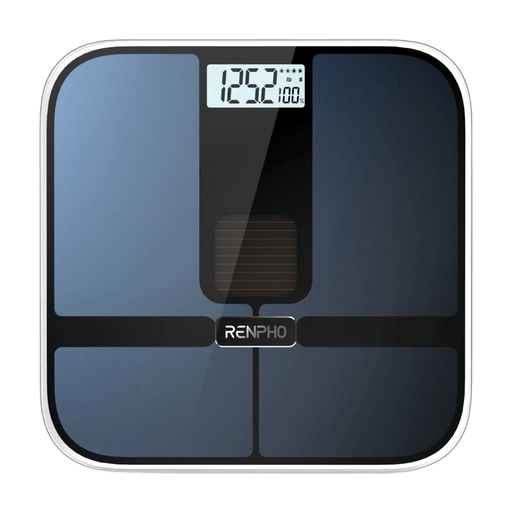
Why This Fits Their Persona: For anyone seeking a reliable and low-maintenance device. The solar power feature means no more hassle with replacing batteries, while data syncs effortlessly.
This model eliminates the hidden costs and inconvenience of batteries. It's a sustainable and practical choice for worry-free daily use.
Runs on solar power and, according to the manufacturer, offers 13 body measurements via the RENPHO Health app. Features automatic user recognition.
We have compiled a complete, up-to-date list of products that fully meet these strict selection criteria and EU safety regulations.
The accuracy of a BIA scale can vary. For the most reliable results, consistency is key: weigh yourself at the same time, under the same conditions, and always place the scale on a hard, flat surface. For athletes who require higher precision, an 8-electrode scale typically provides a more accurate picture than a standard 4-electrode model. The measurements are intended as an indicator to track trends, not as a medical diagnosis.
This depends on your personal preference. A Bluetooth scale with an app is often more affordable and works perfectly well if you usually have your phone with you when you weigh yourself. A Wi-Fi scale offers more convenience by syncing automatically, making it easier to build a long-term overview of your data without actively thinking about it.
No. Individuals with medical implants such as a pacemaker, defibrillator, or other electronic medical devices are strongly advised against using a BIA scale. The bioelectrical impedance analysis sends a weak electrical signal through the body, which can interfere with the functioning of such devices. When in doubt, always consult a doctor and the product's manual. In this case, opt for a digital scale without a body analysis function.
