
Vandaag of morgen in huis

Kwaliteit gegarandeerd

Welkomstaanbiedingen ontgrendelen: GRATIS bezorging | Tot 80% korting | Gratis 30 dagen JoyPlus-proefperiode
Download de app
A smart scale can show you more than just your weight. Depending on the model, you might also get information about your BMI, body fat, muscle mass, body water or bone mass. That sounds useful, but not every scale with an app is right for every household.
Most mistakes happen because of three common pitfalls:
So a good choice doesn't start with the number of features, but with your regular weighing routine, the connectivity you want and the maximum weight capacity you need.
A digital bathroom scale like the Medisana PS 400 is a good option if you mainly want to track your weight. This model has an LCD display, a tempered glass platform and a maximum capacity of 150 kg. It's a straightforward choice without Bluetooth or body analysis.
If you'd like to see more data, look for a body analysis scale or smart body fat scale with BIA technology. BIA stands for bioelectrical impedance analysis. The scale uses a small electrical signal to estimate your body composition. The result can vary depending on factors such as your hydration levels, skin contact, the time of day and your posture.
So use these readings mainly to track changes under similar conditions. They aren't intended for medical diagnosis. If you have a pacemaker, defibrillator or any other implanted electronic device, always follow the safety information for the specific model.
A Bluetooth scale usually syncs with your smartphone when the app is open and your phone is within range. A scale with an app is handy if you want to keep a record of your measurements, but check beforehand:
Bluetooth models are often simple to set up. Wi-Fi models can sync data automatically without your phone needing to be right next to the scale, but the setup may involve more steps.
The maximum capacity on many models is between 150 kg and 200 kg. Choose a margin above the weight of the heaviest user and check the specification before you buy. A reading like 0.05 kg or 0.1 kg describes the displayed step size; that's not the same as guaranteed measurement accuracy.
Place any BMI scale or bathroom scale with body analysis on a hard, flat, dry surface. A bathroom rug or soft floor can affect stability and the reading. Try to weigh yourself at the same time each day, with dry bare feet and a consistent posture.
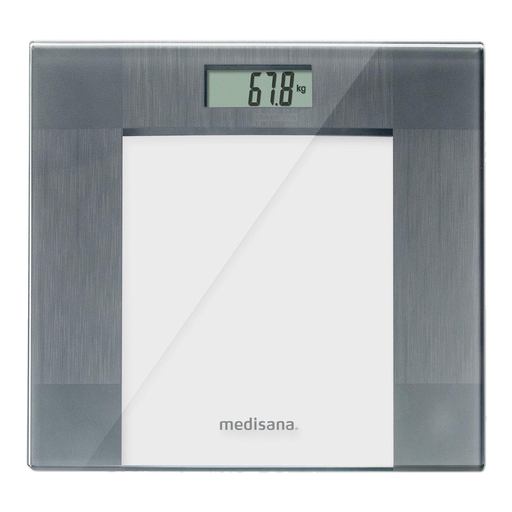
Why this fits: A practical choice for households that only want to track their weight without an app, Bluetooth or body analysis.
You don't pay for measurements you don't need. The LCD display shows your weight straight away.
Tempered glass platform, automatic switch-off and a maximum capacity of 150 kg.
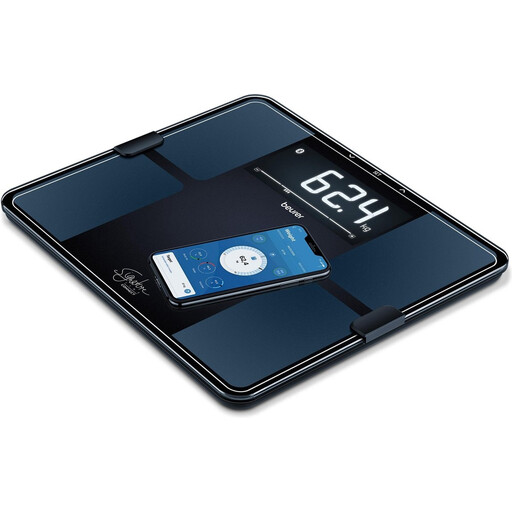
Why this fits: Ideal for users who want to store their data through a well-known app platform and share it with multiple family members.
The product information mentions eight user profiles and automatic recognition, so measurements don't get mixed up.
Bluetooth sync with the HealthManager Pro app, 200 kg capacity and a large illuminated display.
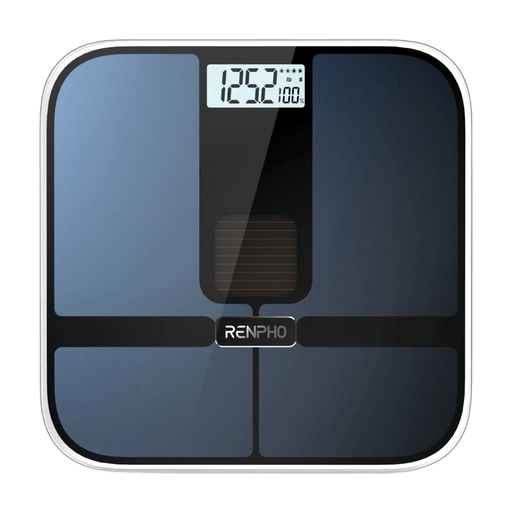
Why this fits: Great for a shared household that wants to combine body analysis with app syncing.
The product description mentions automatic user recognition and thirteen body measurements via the app.
Bluetooth pairing with the RENPHO Health app and solar cells according to the product specification, so no ordinary batteries are needed.
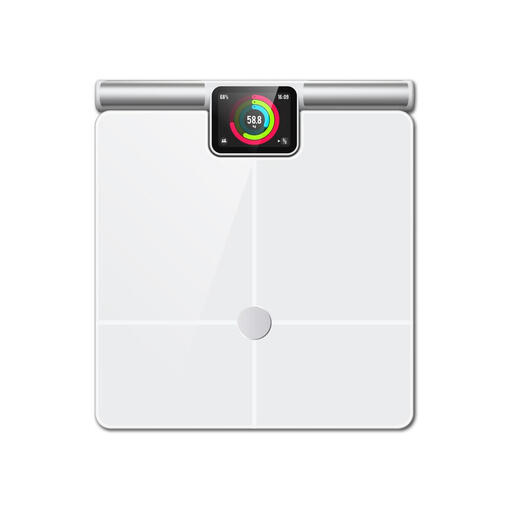
Why this fits: For users who want to see lots of body data and need a higher weight capacity.
The 180 kg capacity is clearly stated. Just check whether the extensive measurement features suit your needs.
According to the product information: 8-electrode technology, Wi-Fi and Bluetooth, a TFT colour screen and 56 body parameters.
Browse our current range of smart scales and compare models on body analysis, app connectivity, capacity and ease of use.
Not automatically. For weight, both types use a digital sensor, while body analysis depends on BIA and the conditions during the measurement. A smart scale is especially useful when you take measurements in a consistent way and look at trends over time.
Place the scale on a hard, flat floor, install the correct app and turn on Bluetooth on your phone. Then create a user profile and follow the pairing instructions. Weigh yourself with dry bare feet and keep your phone within the range specified in the app.
That depends on the number of measurements, the Bluetooth or Wi-Fi function and the type of battery. Models with automatic switch-off generally use less power. Also check whether batteries are included. The RENPHO Elis Solar 2 mentions solar cells, while many other models use AAA batteries.
For weight monitoring at home, the right choice is ultimately the scale you'll use consistently. Only choose body analysis and app features if you genuinely want to track that data.
