
Vandaag of morgen in huis

Kwaliteit gegarandeerd

Welkomstaanbiedingen ontgrendelen: GRATIS bezorging | Tot 80% korting | Gratis 30 dagen JoyPlus-proefperiode
Download de app
A scale might seem like a simple household item, but the differences between models are significant. A digital kitchen scale for flour and spices works very differently from a bathroom scale for daily weighing. Design, maximum capacity, battery usage and the surface you place it on all affect how easy it is to use.
If you only look at a low price or a modern appearance, you could end up with some unpleasant surprises. Below, you’ll find out which specifications really matter and which type of scale best suits your needs.
A clear LCD or LED display is pleasant to use, but you should also check the weighing increments. A digital kitchen scale with 1-gram increments is ideal for small quantities such as spices, yeast and coffee. An analogue kitchen scale with 25-gram increments is more practical for larger amounts, but less suitable for recipes that call for small portions.
For a bathroom scale, a 100-gram increment is common across the range. That doesn’t mean every measurement will be exactly the same under all conditions. Place the scale on a hard, level surface and weigh yourself under as similar conditions as possible each time.
A tare function resets the weight of a bowl or container to zero. This is especially important with a kitchen scale that has a tare function, because you can add several ingredients one after another without having to calculate each one separately.
Check that the function is clearly marked on the control panel. With an analogue model, the mechanism may work differently than with a digital one. Always read the instructions before you fill the bowl.
A scale with a glass platform is easy to wipe clean, but toughened glass remains vulnerable to hard knocks and extreme temperature changes. Do not place a hot pan directly onto a digital kitchen scale, and never submerge the device.
A bathroom scale is not automatically waterproof either. A damp room is generally fine for use, but water must not get into the casing, sensors or battery compartment.
For everyday cooking and baking, a maximum capacity of 5 kg is often sufficient. Also pay attention to the resolution:
A digital kitchen scale usually has an easy-to-read display and automatic shut-off. A retro kitchen scale with a dial works without complicated settings and can suit a classic kitchen style. However, check the product description to see whether the required battery is included; “analogue” doesn’t always mean the model works completely without batteries.
With a digital bathroom scale, the maximum weight capacity, the measurement increment and the display are key points. The models in this selection have a capacity of up to 180 kg, while the recommended distance between measurements depends mainly on a fixed setup.
Use the scale on a hard, level floor. Carpet or an uneven tiled floor can affect stability. A large, high-contrast display is useful in a bathroom with less light. Also check which batteries are needed and whether they are included.
A smart scale can send data to a compatible app via Bluetooth. A body analysis scale can also show values such as body fat. These readings are intended as supplementary information and not as a medical diagnosis. According to the product information from medisana, the BS 444 Connect is designed for additional monitoring and not as a replacement for professional medical advice.
With this type of scale, you need to pay extra attention to app compatibility, the required measurement method and use on a hard surface. Don’t choose a body analysis model if you only want to read your weight quickly.
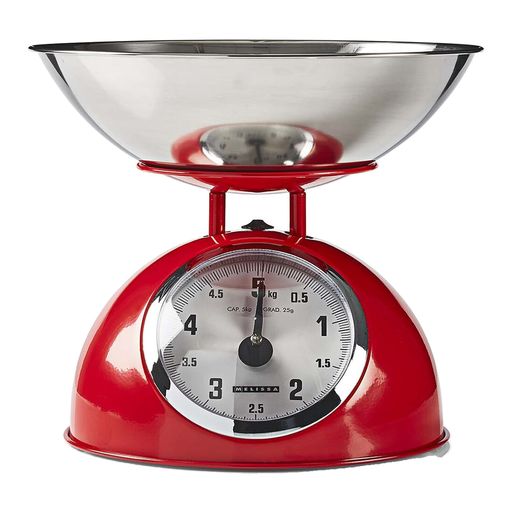
Why this fits the profile: The analogue operation is straightforward, and the removable bowl makes weighing and cleaning simple.
The maximum capacity and 25-gram increments are clearly stated. Don’t expect gram-level accuracy for small ingredients.
Metal casing, 5 kg capacity, tare function and a removable stainless steel bowl.

Why this fits the profile: Home cooks and hobby bakers get a sleek model with 1-gram increments, multiple units and a glass platform.
The 1-gram increments prevent you from using a model with coarse intervals for small quantities. The glass does require careful maintenance.
5 kg capacity, tare function, LCD display, units in g, kg, lb, oz and ml, plus a slim design.
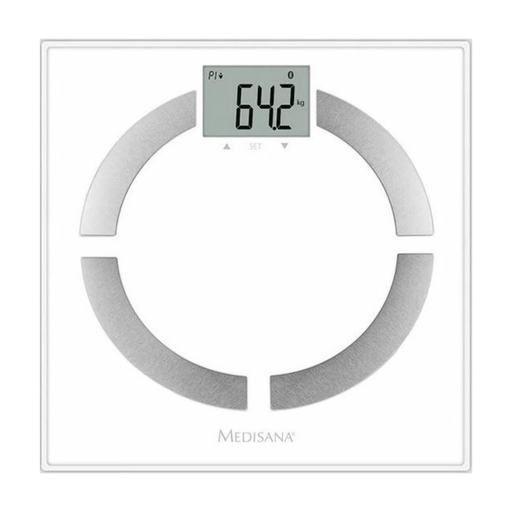
Why this fits the profile: If you want to track your weight and additional body metrics, you get Bluetooth pairing and a digital readout display.
The product description states a weight capacity of 180 kg and a 100 g increment. Body analysis requires barefoot contact and a compatible app.
Safety-glass platform, Bluetooth, automatic shut-off, maximum 180 kg and 100 g measurement increments.
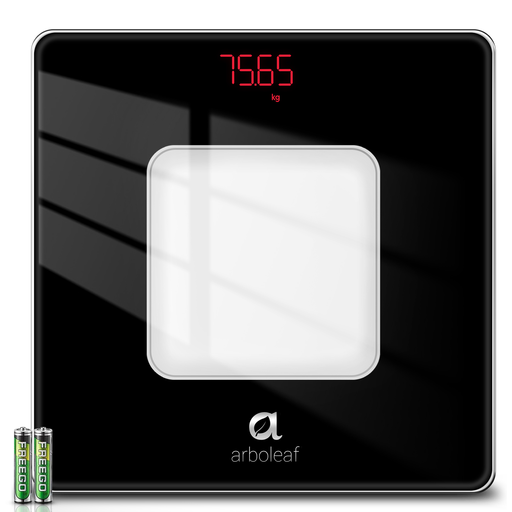
Why this fits the profile: This model is designed for basic weight measurement and requires no setup. That makes it suitable for the bathroom, bedroom or home gym.
The function is clearly defined: basic weight in kilograms. So you’re not paying for app features or body analysis you don’t need.
LED display, toughened glass platform, kg readout and suitable for use on a hard, level floor.
We’ve put together a full, up-to-date list of products that fully meet these strict selection criteria and comply with current European safety regulations.
For ingredients, 1-gram increments are practical. A model with 25-gram increments is suitable for larger quantities, but less appropriate for spices, small portions or precise baking recipes. So always look at the measurement increment as well as the maximum capacity.
The lifespan depends on use, storage and maintenance. Avoid overloading, moisture and hard knocks. With models that have glass platforms, being careful with temperature and impact is especially important. Battery life varies by model and how often you use it.
A smart scale typically runs on batteries and uses power during activation, measurement and any Bluetooth synchronisation. Automatic shut-off can help limit power consumption. Check which battery type is used before you buy, and whether batteries are included.
