
Vandaag of morgen in huis

Kwaliteit gegarandeerd

Welkomstaanbiedingen ontgrendelen: GRATIS bezorging | Tot 80% korting | Gratis 30 dagen JoyPlus-proefperiode
Download de app
By the Joybuy Product Recommendation Officer, July 28, 2026
You've surely seen them on TikTok or Instagram: the fire-red noodles from the ‘spicy noodle challenge’. Samyang Buldak has become a phenomenon, but the hype can also lead to disappointment. You buy a pack, don't follow the instructions correctly, and end up with a watery, overly spicy meal. Or you pick a flavour that's gone viral but doesn't suit your taste at all.
Before you fill your shopping cart, it's wise to consider what you're really looking for. Many people make one of these two mistakes:
This guide will help you make the right choice, so you can fully enjoy the world of spicy Korean noodles.
To find the right Samyang ramen, it's helpful to look beyond the packaging. Pay attention to these three key points.
This is the most critical distinction. The popular Samyang Buldak line consists almost entirely of bokkeum myeon, which means ‘stir-fried noodles’. The intention is to boil the noodles, drain most of the water, and then mix them with the sauce. This creates a thick, concentrated coating of sauce that clings to the noodles.
Other Korean noodles, like the well-known Nongshim Shin Ramyun, are intended to be ramyun (noodle soup). With these, you cook the noodles in the water and add the seasoning packet to create a broth. Know what you're buying to avoid disappointment.
Buldak means ‘fire chicken’, but not every variety is purely about heat. The flavours vary widely:
Buying instant noodles comes with different options. Packs are often more economical and ideal for stocking up at home. Bowls and cups are more convenient for on-the-go, at the office, or when you want a quick meal without extra dishes. The contents and preparation method are usually identical, but the portion size may vary.
Below are a few popular choices, matched to different preferences.
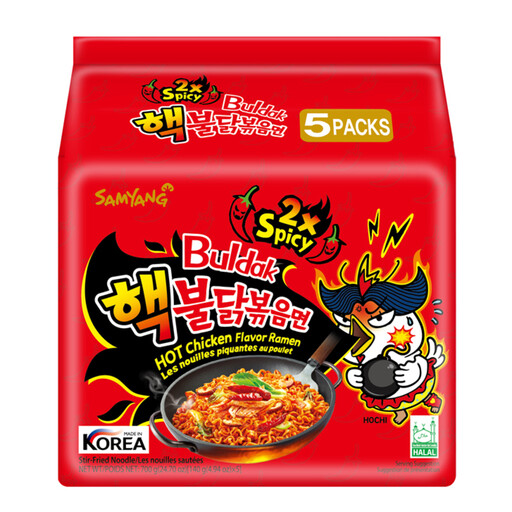
Why This Fits Their Persona: For those who take the 'spicy noodle challenge' seriously. This is the notorious 2x Spicy version, designed for maximum heat. Not for beginners, but a must-try for lovers of extremely spicy food.
This product is exactly what it promises: extremely spicy. You won't buy this by mistake if you're looking for a mild meal. The name 'Double Spicy' is a clear warning.
Delivers the intense heat that went viral. It's a stir-fry noodle, so the sauce is thick and concentrated for the full experience.
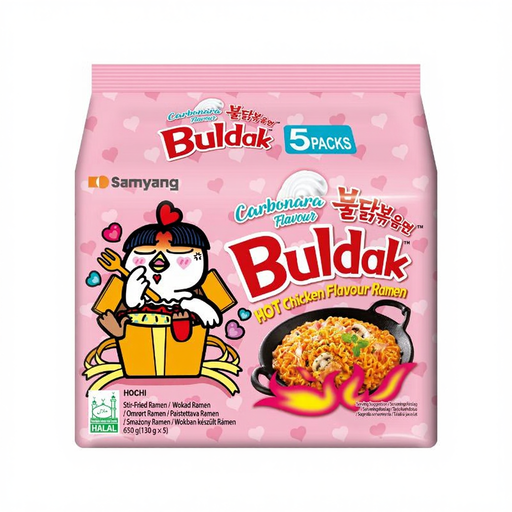
Why This Fits Their Persona: Perfect for those curious about the Buldak hype but who don't enjoy extreme heat. The creamy carbonara powder balances the spice and creates a smooth, addictive flavour.
This variety avoids the 'too hot' pitfall. The creaminess from the cheese and milk powder makes the spice level much more accessible, allowing you to actually enjoy the flavour.
Offers a unique combination of spicy and creamy. It's one of the most popular flavours and a safe yet tasty entry point into the world of Samyang Buldak.
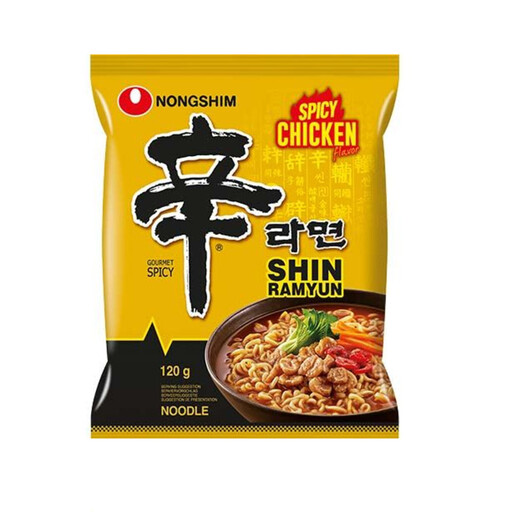
Why This Fits Their Persona: For those looking for a classic Korean noodle soup. Nongshim Shin Ramyun is an icon with a rich, savoury broth and a pleasant spiciness that doesn't overwhelm.
This product avoids the 'wrong preparation' pitfall. It's designed as a soup, so you don't need to drain the water. The instructions are straightforward and lead to a classic bowl of ramyun.
A globally recognised standard for Korean ramyun. The broth is deep and savoury, and the noodles have a firm texture. A reliable choice for a comforting meal.
We've compiled a complete, up-to-date list of products that meet these selection criteria. Find the perfect flavour for your next meal.
Most Buldak varieties are stir-fry noodles. The correct method is as follows:
The Buldak Carbonara or Buldak Cheese are popular choices for beginners. The creamy powder significantly mellows the spiciness, allowing you to get accustomed to the signature fire chicken flavour without being immediately overwhelmed by the heat.
The biggest difference is the type of dish. Samyang Buldak is typically a dry, stir-fried noodle meal with a thick, intense sauce. Nongshim Shin Ramyun is a classic noodle soup with a savoury, spicy broth. Both are icons of Korean noodles, but they offer completely different eating experiences.
