
当日/次日达

品质保障

开启新人专享福利: 全场免邮 | 低至 2 折 | 免费试用 30 天 JoyPlus 会员
下载 Joybuy
Thinking about buying Samyang Buldak ramen, but unsure whether to go for original, cheese, carbonara or a bulk box? The eye-catching packaging and spice-level claims don't always tell you what you're getting for your money. That's why it pays to check the portion size, preparation method, allergens and shelf life.
This buying guide helps you compare Korean instant noodles without being swayed by marketing hype alone.
A pack of five bags is handy if you enjoy spicy ramen every now and then. A box of 40 portions is better suited to households, student flats or enthusiasts who like to stock up regularly. Always check:
With a large ramen multipack, a short best-before period can be a practical drawback. So store instant noodles in a cool, dry place away from direct sunlight.
Cheese powder and creamy seasonings can round off the sharp heat, but the sauce in most Buldak varieties remains distinctly spicy. If you're new to spicy chicken ramen, it's better to start with a smaller pack or use less sauce.
What's more, the flavour varies from product to product. A standard cheese variety, a four-cheese version and carbonara ramen don't share the same ingredients or nutritional values.
Check the product page and label for country of origin, manufacturer, importer and allergens. The range includes similar Samyang products where the stated origin may differ. So always refer to the information on the packaging of the batch you receive.
There are two main types of Korean ramen:
Most Buldak noodles are stir-fry noodles. For the original Samyang Hot Chicken Flavor Ramen, for example, the recommendation is to boil the noodles, drain them and mix with the sauce. The carbonara variety requires around 550 ml of water, five minutes of boiling, then a quick mix with the sauce and powder.
An individual bag of around 130 to 145 grams works well as a quick meal. A cup of 70 to 80 grams is more practical for the office, a student room or on the go, as you don't need a pan. A multipack of five offers a compromise between stock and flexibility. Boxes of 40 packs are mainly intended for heavy use or shared purchases.
Many Samyang noodles contain wheat and gluten, soya and sesame. Cheese and Quattro Cheese varieties may also contain milk. Some product descriptions also mention possible traces of egg, fish, peanuts, nuts, celery, mustard or crustaceans.
If you have an allergy, always check the most recent packaging. Recipes and labels can change. Also pay attention to nutritional values: different varieties list around 379 to 430 kcal per 100 grams and relatively high salt content. These figures vary by recipe and packaging.
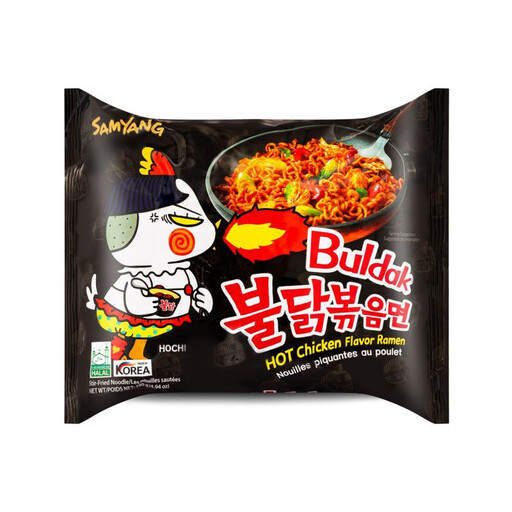
Why this fits the profile: A single portion lets you try the classic spicy chicken variety without committing to a large stock.
You don't buy a large multipack before knowing whether the heat level and stir-fry method suit you.
140 g per bag, with wheat, soya and sesame listed as allergens; ready in just a few minutes.
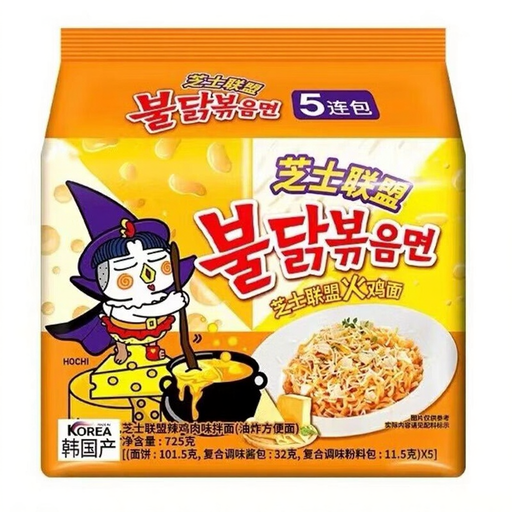
Why this fits the profile: The combination of a spicy sauce with a four-cheese blend suits those looking for more layers of flavour than a standard variety offers.
The product information clearly states the weight per bag, the five-pack quantity and the presence of milk, wheat, soya and celery.
145 g per portion, five bags per pack and approximately 407 kcal and 3.4 g salt per 100 g according to the product information.
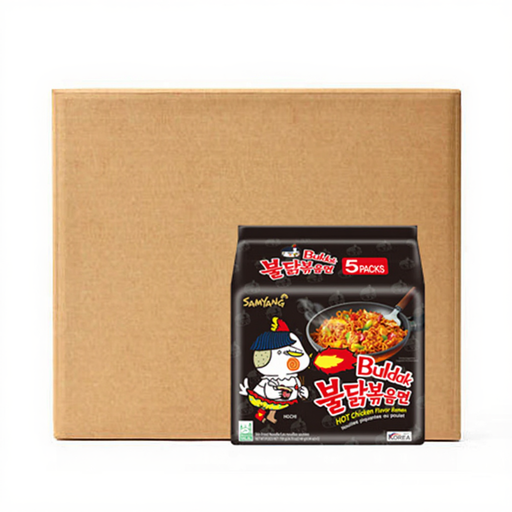
Why this fits the profile: A box of 40 individual portions suits households, shared cupboards and customers who order spicy noodles regularly.
The number of portions is clearly stated, so you can estimate the total stock and price per portion in advance.
40 bags of 140 g, individually wrapped and a classic spicy chicken sauce with wheat, soya and sesame.
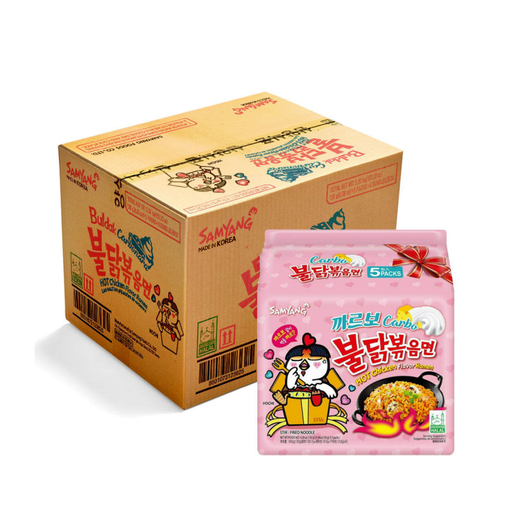
Why this fits the profile: The blend of chilli flavour and carbonara-style seasoning suits those looking for creamy instant noodles with cheesy notes.
The preparation steps are specific: drain most of the water, leave around 120 ml and mix the sauce in briefly.
Box of 40 portions of 130 g; the product information lists wheat, soya, celery and sesame as relevant ingredients or allergens.
We've put together a full, up-to-date list of products that fully meet these strict selection criteria and current European safety regulations.
Follow the instructions on the packet. With most bag varieties, you boil the noodles for a few minutes, drain almost all the water and stir in the sauce and any sachets of powder. Add the sauce gradually if you want to adjust the heat level.
The exact shelf life is printed on the packaging. Store unopened products in a cool, dry place away from direct sunlight. Check the date on a multipack before buying a large quantity, especially if a product is marked as having a short shelf life.
That depends on the specific variety. Many Samyang noodles contain wheat, gluten, soya and sesame. Cheese and Quattro Cheese varieties may contain milk. Always read the current label and, if in doubt, contact the seller or manufacturer.
