
Someone sharing a food cupboard
Wants to protect opened dry rice from moisture and kitchen pests. The Netherlands Nutrition Centre advises storing rice in a cool, dry, dark place in a well-sealed container.


For dry rice in a shared kitchen, an airtight storage container is usually enough; vacuum sealing isn’t necessary. An electric sealer is mainly useful if you want to divide larger quantities into separate portions to open later. If housemates regularly scoop rice from the same container, a storage tub is often more practical. Either way, keep the rice somewhere cool, dry and dark.
Wants to protect opened dry rice from moisture and kitchen pests. The Netherlands Nutrition Centre advises storing rice in a cool, dry, dark place in a well-sealed container.
Wants to divide a larger supply so that not all the rice is opened at once. Check that the bags are compatible and that the machine has a sealing function; Solis and Princess describe machines for vacuum sealing and sealing bags.
Wants to take out rice easily and reseal the container afterwards. A standard storage container or a compatible vacuum container may suit this use; ZWILLING describes Fresh & Save as a system with a pump, containers and bags.
Choose this option if: you regularly use an opened pack and can store the container somewhere dry. The Netherlands Nutrition Centre recommends well-sealed storage containers for opened rice.
Trade-off: you won’t need a machine or vacuum bags, but you won’t be sealing individual portions.
Choose this option if: you want to pack dry rice in portions that stay sealed until you’re ready to use them.
Trade-off: you’ll need compatible bags; once a portion has been opened, you’ll need to reseal it or transfer it to another container. Vacuum sealing is no substitute for storing rice somewhere dry.
Choose this option if: you regularly open and reseal one container and it’s large enough for your supply.
Trade-off: the pump, valve lid and container must be compatible; this option doesn’t seal individual portion bags.
| What to consider | What to check before buying | Who is this important for? |
|---|---|---|
| Keeping rice dry and well sealed | Check that the container seals well and will fit in a dry, dark place. | I want to keep opened rice well sealed in the shared cupboard. Around 36% of consumers in this situation give protecting their dry food supplies top priority. |
| Sealing individual portions | Check the maximum bag width, which food bags are compatible and whether the machine can seal bags without vacuuming them. | I want to divide a larger quantity so I don’t have to open the whole supply each time. Around 29% of consumers in this situation give individual rice portions top priority. |
| Opening and resealing | Compare the container’s capacity and dimensions; for a vacuum system, check that the pump and valve lid are compatible. | I regularly scoop rice from the same container and want to seal it easily afterwards. Around 21% of consumers in this situation give being able to open and reseal it repeatedly top priority. |
| Supplies you’ll need after buying | Check what’s included and which compatible bags, rolls or system components you’ll need later. | I want to know in advance what extra supplies I’ll need for my chosen system. Around 14% of consumers in this situation give future supplies top priority. |
The Netherlands Nutrition Centre recommends keeping opened rice in a well-sealed storage container. A vacuum sealer may therefore be unnecessary if all you need is to keep an opened pack sealed.
First, decide whether a storage container suits your shared cupboard and the way you use rice. Choose a vacuum sealer mainly if you want to seal individual portions.
A pump with compatible valves removes the air from a compatible container or bag again; a heat sealer seals bags with a seam.
Choose a pump if you’ll be repeatedly opening compatible containers, and a sealer for individual portions sealed in bags.
Princess lists ten 22 × 30 cm bags with model 492967. You may need compatible replacement bags for future portions.
Before buying, check which bags are compatible with the exact model and whether they’re suitable for food contact.
Cooked rice needs to be stored differently. The Netherlands Nutrition Centre advises cooling leftovers quickly and not leaving them out of the fridge for more than two hours.
Store cooked leftovers in a well-sealed container in the fridge or freezer, following the separate storage advice for cooked rice.
The Vac Quick type 576 is a bag sealer for portioning food; Solis also describes a hose connection for storage containers.
Model 492967 is an automatic bag sealer for individual portions.
Fresh & Save is a pump and storage-container system for vacuum sealing compatible containers and bags again.
The VC 10 is a vacuum sealer with a separate function for sealing bags.
The DO331L combines a vacuum sealer with an included roll and storage container.
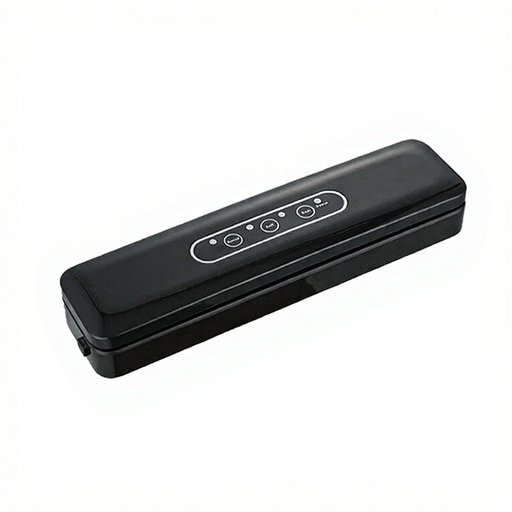
This product selection focuses on electric vacuum sealers for packing dry rice in individual bags.
 No image available
An option for packing dry rice in individual bags.
Supports vacuum sealing and heat sealing, and also has a separate seal-only function; use compatible vacuum bags. Before use, check that any bags which come into contact with the rice meet the applicable requirements for food-contact materials.
No. The Netherlands Nutrition Centre advises storing uncooked rice in a cool, dry, dark place in a well-sealed container. For an opened pack, it recommends using an airtight storage container.
A sealer can be useful if you want to divide a larger quantity of dry rice into individual portions to open later. Check which bag widths the machine supports and whether compatible food bags are available.
A pump for a valve-based system removes the air from compatible containers or bags again, but it won’t seal individual portion bags with a seam. For that, choose a vacuum sealer. If you’re buying a pump system, check that the pump, lid and container are compatible with one another.
No. The Netherlands Nutrition Centre advises cooling cooked rice quickly, not leaving it out of the fridge for more than two hours, and storing it in a well-sealed container in the fridge or freezer.
In the Netherlands, food-contact materials must meet the applicable requirements. The Netherlands Food and Consumer Product Safety Authority refers to the Commodities Act Decree on Packaging and Consumer Articles; check that your chosen bag or container is intended for contact with food.