
Vandaag of morgen in huis

Kwaliteit gegarandeerd

Welkomstaanbiedingen ontgrendelen: GRATIS bezorging | Tot 80% korting | Gratis 30 dagen JoyPlus-proefperiode
Download de app
Whether you're a fan of Asian cuisine or an adventurous home cook, pickled radish is an indispensable flavor enhancer. It adds a crisp texture and a complex flavor to everything from sushi to stews. But the pickled vegetable aisle can be overwhelming. The packaging may look similar, but the contents can vary dramatically. Before you grab a random jar or bag, it's wise to know what to look for to avoid disappointment.
Many shoppers make the same mistakes. They're tempted by packaging that says "authentic," only to find at home that the sweet Japanese style doesn't suit their spicy Chinese stir-fry. Another common pitfall is texture: you expect a crisp bite but get a soft, soggy radish. This is often due to lower-quality base ingredients or an overly long processing time. Finally, unexpected additives like large amounts of sweeteners or flavor enhancers can impact the taste experience.
To make the right choice, it's helpful to check three key elements. This will help you find exactly what you're looking for, whether you're following a specific recipe or just want to try a delicious Asian side dish.
Not all pickled radish is created equal. The flavor depends heavily on the regional cuisine it comes from.
The way the radish is cut provides a good indication of its intended use.
A quick look at the ingredient list can prevent many surprises. Pay attention to the following:
Based on clear product characteristics and various use cases, we have selected a few options that cater to specific preferences.
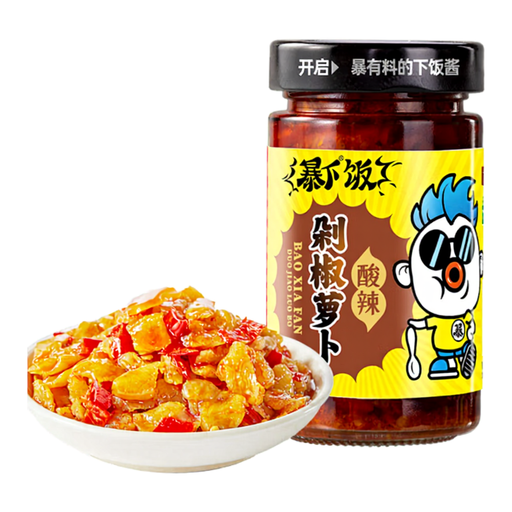
Why This Fits Their Persona: Ideal for those seeking a distinctly spicy and sour condiment. These radish strips are seasoned with chopped chili pepper (duo jiao) and are perfect for instantly adding a kick to rice, noodles, or a simple bowl of congee.
The product name and description are crystal clear about the flavor profile ("Spicy and Sour Flavor"). You know exactly that you're buying a spicy product, not a mild, sweet variety.
Ready-to-eat as a side dish or condiment. The crisp texture is well-preserved in the spicy-sour sauce.
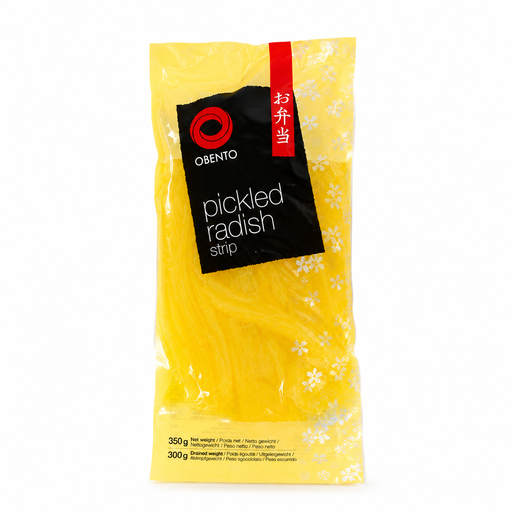
Why This Fits Their Persona: This is the perfect choice for those who make their own sushi or kimbap. The radish is already cut into convenient strips and has the classic sweet-and-sour flavor characteristic of takuan and danmuji. Convenience and authenticity in one.
The description emphasizes the "crisp radish strips" and "sweet-and-sour taste," so there are no surprises regarding texture or flavor. It's exactly what you need for sushi.
Pre-cut and ready to use. Its mild flavor makes it a versatile ingredient that's also delicious as a salad topping or side dish.
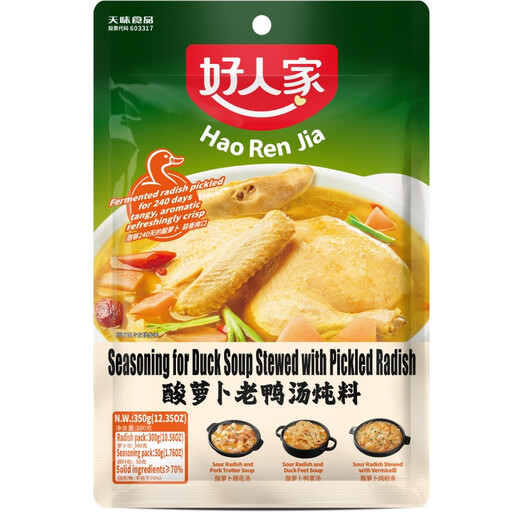
Why This Fits Their Persona: This isn't a side dish, but a complete meal base. It's perfect for the home cook who wants to make an authentic and flavorful Sichuan duck soup without having to buy all the ingredients separately. It offers convenience without compromising on taste.
The packaging and name make it clear that this is a "Seasoning for Duck Soup" and that cooking is required. This prevents you from accidentally buying it as a ready-to-eat side dish.
An all-in-one soup base that simplifies the preparation of a complex dish. The flavor is based on authentic, fermented radish from Sichuan.
Most commercially packaged pickled radish should be refrigerated after opening. Depending on the product and the amount of preservatives, it is generally recommended to consume it within 3 to 7 days. Always consult the label on the packaging for specific instructions. Use clean utensils to extend its shelf life.
In short: Japanese (takuan) is typically sweet, mildly sour, and yellow, often used in sushi. Korean comes in two well-known forms: the sweet-and-sour yellow danmuji for kimbap, and the spicy, fermented radish kimchi (kkakdugi). Chinese varieties are the most diverse and can be salty, sour, spicy, or a combination, and are often used as a side dish or in hot dishes.
Yes, absolutely. Many types, especially the saltier and spicier Chinese varieties, are an excellent flavor enhancer in stir-fries, stews, or with steamed fish. The sweet-and-sour Japanese and Korean strips are usually eaten cold but can also be a surprising addition to dishes like fried rice. Always check if the product is ready-to-eat or intended as an ingredient for a cooked dish.
